Why Advanced Operation Theatre Services Matter in Healthcare
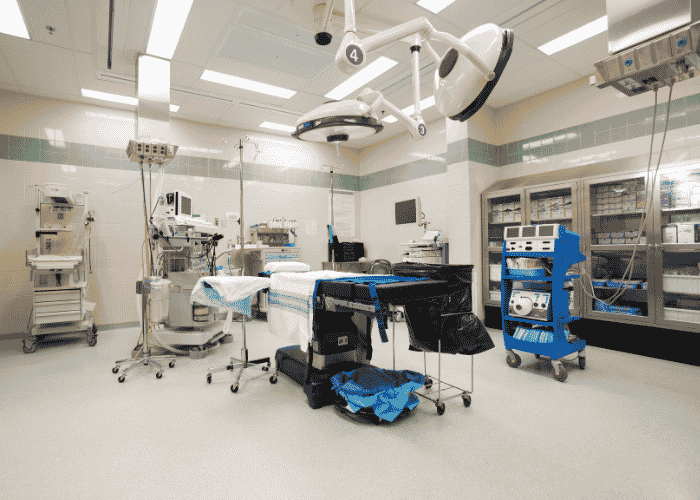
The Advanced Operation Theater (OT) facility is a sophisticated and fully-integrated surgical suite that is much more than just a sterilized space equipped with a scalpel and a surgery bed. Modern operation theater facilities incorporate advanced imaging capabilities, data analytics, and minimally invasive techniques, making the process of conducting surgeries completely different from conventional methods.
Redefining Precision: The Power of Intraoperative Imaging
The surgical procedures used conventionally involve a rigid linear sequence of actions. A patient receives either an X-ray or a CT scan in the radiology department, then is taken to the operating theater to undergo surgery according to the static images taken at some point in the past. It will be hours or days before a follow-up scan determines whether the procedure was carried out effectively. A piece of a tumor might have been overlooked, a spinal screw misplaced by a millimeter.
This cycle is effectively overcome by the use of Intraoperative Imaging in advanced OTs. With the introduction of state-of-the-art diagnostics, including CT, MRI, and advanced Fluoroscopy C-Arms right inside the OT, surgeons are no longer limited to operating on 'blind faith' or relying entirely on the preoperative stage alone.
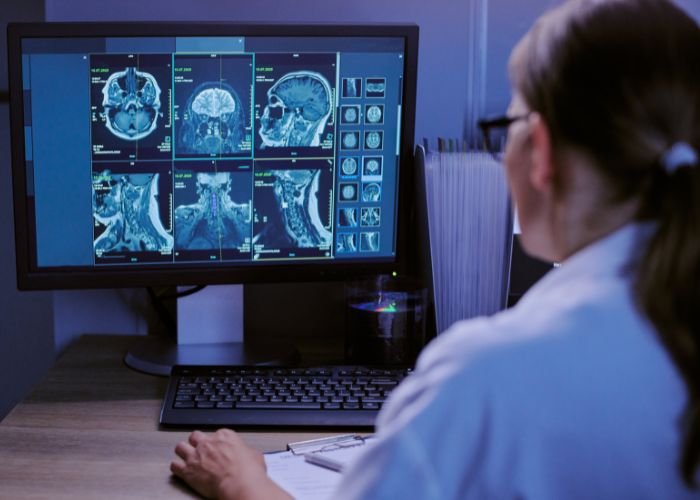
A brain tumor may also change its position very slightly when the skull is opened, during a complicated surgery such as neurosurgery. An MRI done with the help of an advanced OT can give images of the tumor even when the patient lies on the operating table. This allows complete removal of the tumor without damaging any of the healthy tissue around it.
The Rise of the Hybrid OT: Eliminating the Logistics of Risk
Traditionally, medicine has always been compartmentalized into specialties. In the event that an interventional cardiologist needs to insert a stent using a catheter, but the patient develops some serious complication during this process, the patient has to be stabilized and moved from one operating room to another for emergency open heart surgery. Every minute wasted in transferring the patient increased the likelihood of a total failure.
The Hybrid Operating Room can be viewed as the ultimate result of the evolution of advanced OT designs. Emergency surgical services combines a high-end interventional radiology suite with a complete operating theater setup.
Components and Features of Advanced Operating Theaters
The advanced operating theater technology features high-end architectural design and engineering perspectives. It should serve perfectly as a sterile chamber, high-end imaging laboratory, digital communication center, and extremely ergonomic workspace all at the same time. This task is accomplished using a certain configuration of the OT and key components thereof.
The room is strictly divided into functional zones:
• Sterile Field – Around the operating table with a constant downward flow of filtered air protecting it.
• Circulation Area – Around the sterile field where nurses and technicians circulate freely without disturbing the sterile field.
• Control Room – Usually separated from the sterile field by a lead-glass partition, and here radiographers and technical staff work using advanced imaging technology.
Advanced Intraoperative Imaging
As is shown from the hybrid room image provided below, a gigantic robotic C-arm is incorporated into the room itself. The system will move dynamically within the room around the operating table and take real-time 3D fluoroscopy, CT scan, or angiogram without ever moving the patient.
Integrated Surgical Tables
In contrast to traditional static operating tables, today’s sophisticated operating tables are completely motorized and coordinated with the imaging equipment. Should the C-arm change position for a new angle, then the table could tilt and/or move smoothly to avoid any clash, but still keep the body part being imaged perfectly centered in the scanner.
Engineering Absolute Sterility: The Physics of Infection Control
When considering advanced healthcare, one tends to think of elaborate robotic arms, while the key factor of any advanced operating theatre is actually something that is completely intangible – air.
Surgical site infections, or SSIs, can be described as a huge hazard for health care, which can lead to serious illnesses or even cause sepsis. Advanced operating theatres solve the problem of sterility through a complex Laminar Airflow system along with accurate climate control.
While traditional chambers see the air circulating in a random fashion, the laminar flow system directs the HEPA-filtered air to move downward in a completely even manner above the surgical table. The constant positive pressure of such a down draft serves as a windscreen which ensures that any tiny particle or skin cell released from the surgical staff is directed downwards through specially designated air outlets.
When added to the stringent automated controls that keep the room temperature locked between 18°C and 21°C and the humidity between 40%-60%, the overall atmosphere becomes completely uninviting for bacteria.
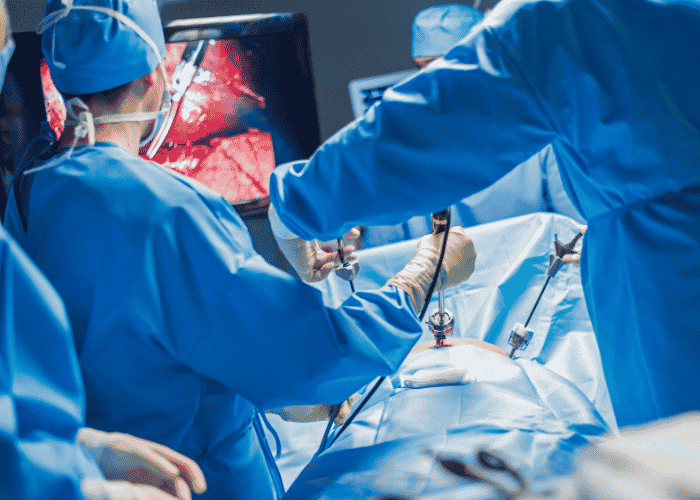
Minimally Invasive and Robotic Surgery: Healing from the Inside Out
The trauma that results from surgery is not due to treatment of the internal problem but rather is because of the large cuts necessary in order to access the problem in the first place. Such large injuries result in significant loss of blood, pain, lengthy recovery periods, and infections.
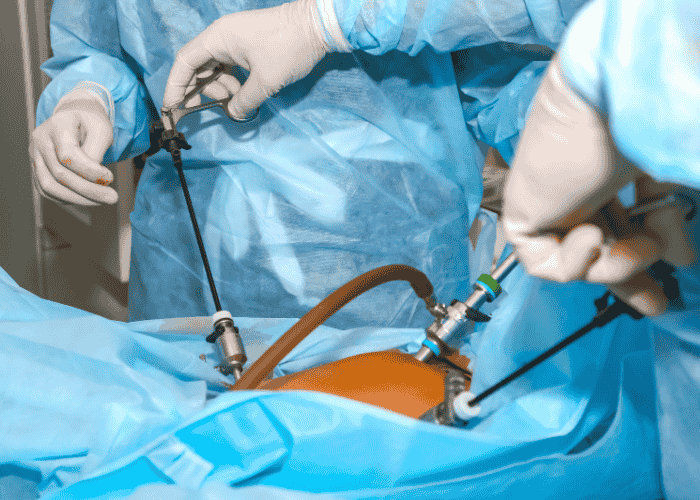
Advanced OTs provide the critical stepping stone for robotic surgery and navigated computer surgery by means of robotic arms, scaling down the movements of a surgeon's hands to microscopic level, and performing surgical operations via small keyhole incisions.
In addition, surgical navigation technology serves as an in-built GPS, outlining the anatomical features of the patient and charting the safest route for surgical tools. It is quite clear that this combination brings several advantages to patients:
• Minimized Blood Loss: Greatly minimizes the need for blood transfusions in hospitals.
• Minimal Postoperative Pain: Small cuts need significantly fewer strong pain medications after surgery.
Faster Recovery Times: Individuals who used to be hospitalized for up to two weeks can now go home days before that period elapses.
The Ultimate Standard of Patient Care
In summary, high-quality services in operating theaters are important because they essentially transform surgery into a very predictable and pro-active scientific field. This indicates that they embrace the philosophy that in the point where people are most vulnerable to risk in life—that is, lying unconscious on the operating table—they deserve to have no room left for any uncertainty at all.
FAQs:
Q: What are advanced operating theatre services?
A: Advanced operation theater relies on cutting-edge technology and real-time imaging and provide services like nanosurgery, robotic surgery, and so on.
Q: Why are advanced operation theatres important in healthcare?
A: Advanced OT is important in healthcare services for three main reasons: to obtain high precision during a surgery, patient safety, and operational efficiency.
Q: What equipment is used in a modern operating theatre?
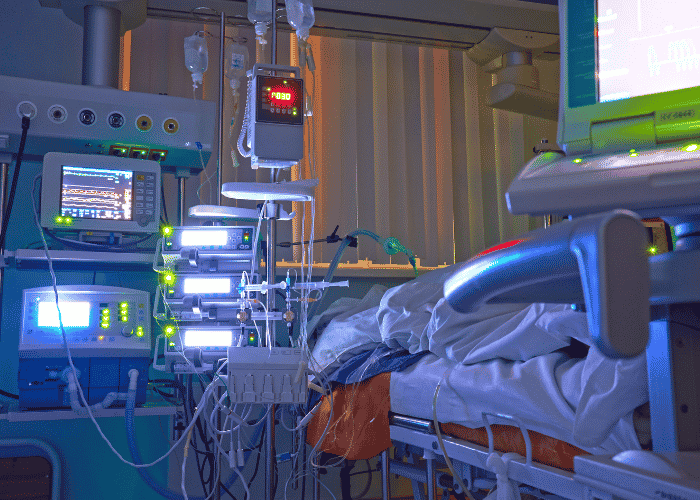
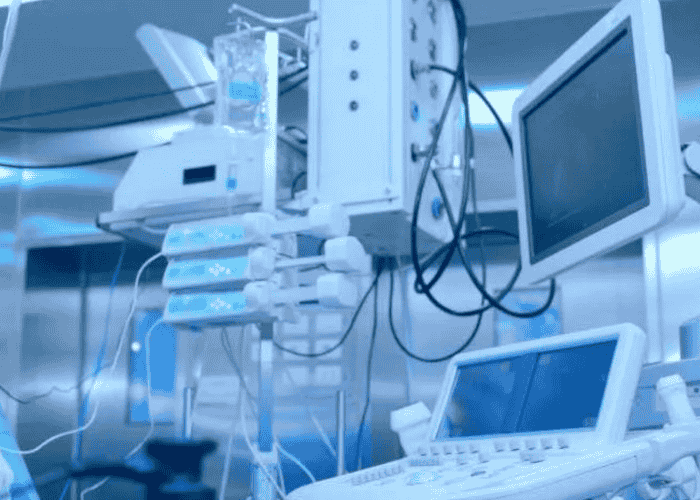
A: Some of the equipment used in an operating theater is suction machines, infusion and syringe pumps, laminar airflow systems, dialysis machines, and so on.
Q: What is minimally invasive surgery?
A: As the name suggests, minimal invasion is done on your skin. Minimally invasive surgeries are those that do not require large incision cuts to be made on the patient’s body before the surgery is done.
Q: How does technology help in modern surgical procedures?
A: The role of technology immensely helps doctors in achieving high precision during the surgery, reducing the time of surgery, and even planning before a surgery is done to obtain operation excellence at the surgical table.





















_12Jan26_122224.png "How NICUs Save Premature and Sick Babies?")