Modern Orthopaedic Surgery Options for Faster Recovery
The area of orthopedic surgery
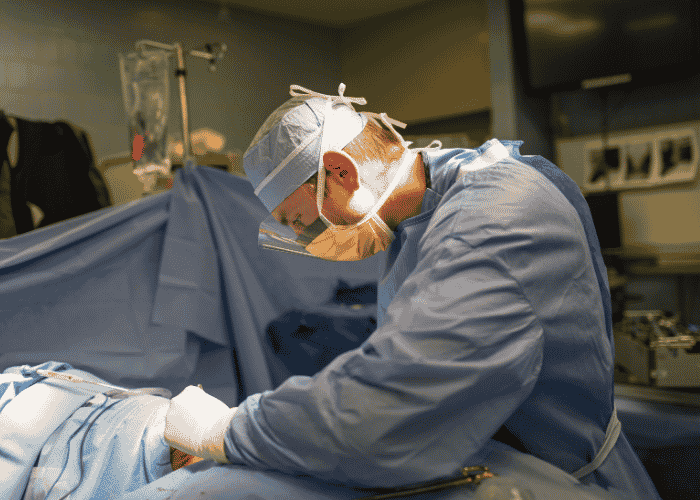
Orthopedic surgery is a medical specialty focused on the musculoskeletal system, which includes the bones, joints, ligaments, tendons, muscles, and nerves. Surgeons in this field treat a vast range of conditions from congenital deformities to acute trauma and age-related wear.
Core Areas of Specialization
Most orthopedic surgeons focus on specific anatomical regions or types of conditions:
• Joint Replacement & Reconstruction:
Replacing damaged joints (most commonly knees and hips) with artificial implants to relieve severe arthritis or injury pain.
• Spine Surgery:
Managing back and neck disorders such as herniated discs, scoliosis, and spinal stenosis.
• Trauma & Fractures:
Repairing severe bone breaks and complex injuries, often using Internal Fixation (plates, pins, or screws).
• Pediatric Orthopedics:
Treating children for congenital issues like clubfoot, hip dysplasia, and growing pains.
• Hand & Upper Extremity:
Focusing on the intricate structures of the hands, wrists, and elbows, including carpal tunnel release.
• Foot and Ankle:
We take care of Foot and Ankle problems, like when you get a sprain or have a bunion. Sometimes we do complex work, like rebuilding the Foot and Ankle.
• Orthopedic Oncology:
Specializing in the removal and treatment of bone and soft tissue tumors.
Modern Innovations in the field of orthopedic surgery
Modern innovations in orthopedic surgery are transitioning the field from a "one-size-fits-all" approach toward precision medicine. These advancements focus on improving accuracy, reducing invasiveness, and leveraging the body's natural healing abilities.
A look at some of the modern orthopedic surgery techniques
Robotic orthopedic surgery
This uses computers to help doctors do a job with complicated bone and joint operations. The computers make sure everything is very precise. It is important to remember that robots do not do the surgery by themselves.
Robots are very advanced tools that a skilled surgeon uses to help them. The surgeon is always in control of the robots when they are doing bone and joint procedures with the help of computers.
Common Applications
Robotic technology is currently most prevalent in these three areas:
• Knee Replacement
• Hip Replacement
• Spine Surgery
Use of regenerative medicine in orthopedic surgery
Regenerative medicine, which is also called orthobiologics, uses the body's natural healing process to fix, heal, or replace damaged musculoskeletal tissues. The body has a way of healing itself, and regenerative medicine works with this process to help repair regenerative medicine issues with muscles and bones. Regenerative medicine is really good at helping the body fix damaged tissues.
Key Surgical Applications
• Joint Preservation
• Soft Tissue Repair
• Bone Reconstruction.
• Spine Surgery
Typical Treatment Process using stem cells
1. Harvesting (Extraction):
They do a blood test by taking blood from your arm.
This is a procedure where a doctor gives you anesthesia. Then the doctor uses a hollow needle to take out some bone marrow. This is usually taken from the bone, which is the bone in your hip.
Adipose, which is fat, is taken from the body using a procedure. This procedure is called lipoaspirate. It takes cells from the abdomen or the thigh.
2. Processing (Concentration):
The harvested sample is put in a machine called a centrifuge. This machine spins the sample around fast. It does this to separate the stuff, like the platelets or the stem cells, and make them stronger. The centrifuge helps to get all these healing components in one place. The sample has things, like platelets or stem cells, that can help people heal.
3. Targeted Injection:
The doctor uses an ultrasound or X-ray to guide them. They put the medicine right into the tendon, joint, or bone that is hurt. They do this carefully so the medicine goes exactly where it needs to. The doctor is using this way to help the tendon, joint, or bone heal.
4. Recovery & Healing:
People who have this done can usually walk out and start doing low-impact things within three days. This can cause some mild soreness or swelling at the site. This is a part of the healing process for Patients.
Use of 3-D printed customized implants in orthopedic surgery
You can get implants that are made for you with a 3D printer. These are called patient implants. They are different from the implants that are the same for everyone.
Now we can make implants that fit your body perfectly. We use machines to take pictures of your body. These pictures are very detailed. Engineers use these pictures to make a model of your body on a computer. Then they use this model to make an implant that matches your bones exactly.
These patient-specific implants are a change from the usual implants. Usually, implants are the same for everyone. Patient-specific implants are made to fit your unique body.
Key Clinical Applications
• Complex Joint Replacements
• Orthopedic Oncology
• Spinal Reconstruction
• Trauma & Deformity Correction
Smart wearable for orthopedic issues
Smart wearables for orthopedic issues are really helpful. They can be fitness trackers that people use every day to see how active they are and if they fall down. Then there are braces and insoles with sensors that people use when they are getting better from an injury or after they have surgery.
These devices help people get better. They also help with pain. They show what is going on to the people who are sick and to the doctors who are taking care of them. Smart wearables, for issues, give people the information they need right away.
Types of devices
• Smart Knee Braces
It integrates sensors to provide instant feedback on knee movement, range of motion, and exercise compliance.
These things allow doctors have therapy sessions with people from away. Doctors can check on how people are doing and change their recovery plans at the same time using a special app. This app can help doctors find problems like knee stiffness. They can do all of this from the app, which is really helpful for people who are recovering.
• Smart Insoles
Pressure-based systems, such asare something that people know very little about. They are placed in the shoe to track walking patterns, gait, and the specific amount of weight-bearing.
These things are really good for
injuries to the limb, and they help make sure patients do what the doctor says about how much weight they can put on their legs. This helps reduce the risk of getting hurt from lower limb injuries.
• Implantable Sensors
In advanced cases, such as certain joint replacements, sensors can be integrated directly into the implant.
The future of advanced orthopedic surgery- A final thought
The future of advanced orthopedic surgery is moving toward a "Digital-Biological Convergence," where high-precision robotics and artificial intelligence (AI) merge with regenerative medicine and nanotechnology. By 2028, it is projected that over 35% of all orthopedic surgeries will be robotic-assisted.























_12Jan26_122224.png "How NICUs Save Premature and Sick Babies?")