Accident and Trauma Care: Rapid Response That Saves Lives
Accidents and traumas may be an unfortunate scenario that none of us wants in our lives. Yet in reality, we are often the sufferers, see, or hear about such incidents in our society.
At times like this, critical accident and trauma care is needed for the patients. The focus for the treatment should be on finding the critical aspects of the care.
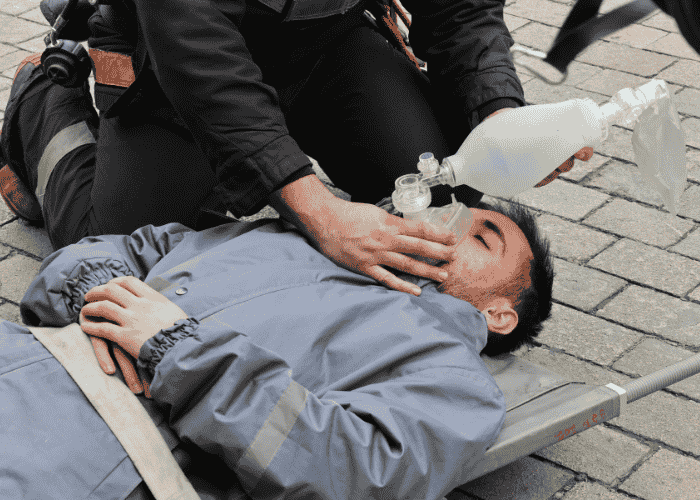
For example, airway resurrection procedures are used if the patient is not breathing or is experiencing heavy bleeding and the risk of internal haemorrhage.
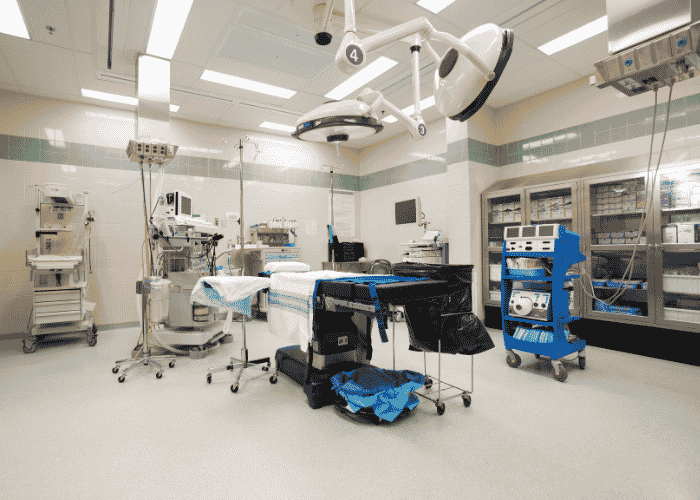
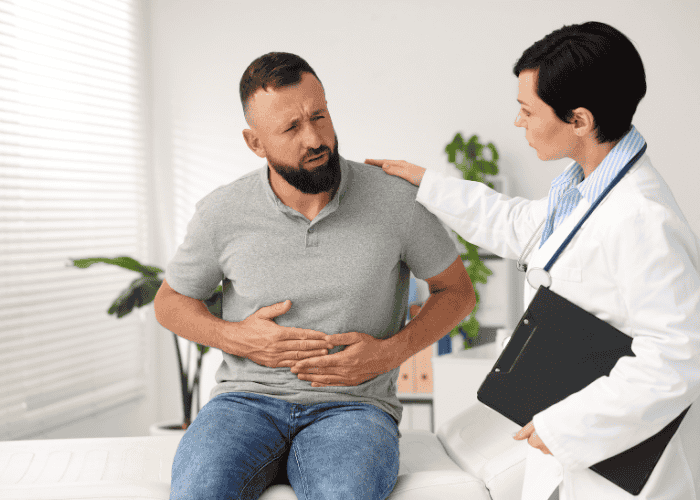
Often during this time, such a person will need to be admitted right away to an accident and trauma care unit of a hospital. Such a ward of the hospital has doctors and nurses who specialize in giving first aid, and rapid treatment options during the golden hour, which may help the patient to avoid severe complications or even death.
Immediate Actions for accident and trauma care
On the Spot or the First Responder Treatment
Look around
When someone is hurt, it is easy to panic...Before you go near the person who is hurt, make sure the area is safe. Check for things like cars driving by, a fire or something spilt on the ground that could be bad for you. The scene needs to be safe before you do anything.
Avoid moving the patient too much while giving treatment
Do not move people who are hurt badly unless you have to. If someone is hurt, do not move him or her unless they are in a situation where they will get hurt more, like a fire or something that is going to explode. If you move someone who is hurt badly, you can make their injuries worse, especially if they hurt their back or head.
Giving first aid
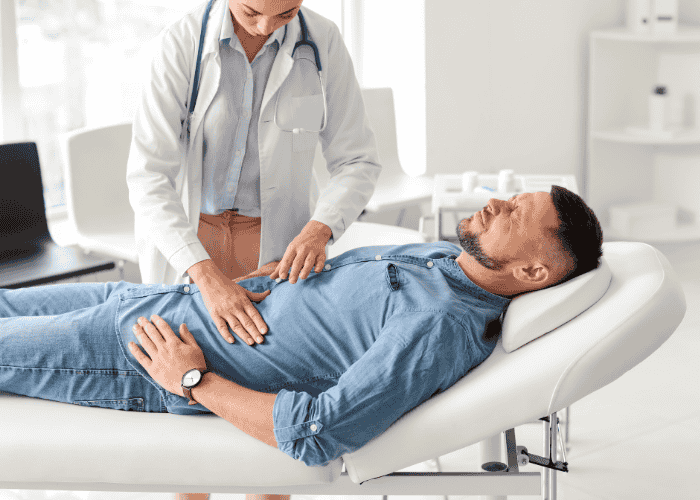
Of course, the first treatment given during accident and trauma care is first aid. The actions include resuscitation of the patient, stopping intense bleeding and making sure the patient is conscious and not going through convulsions and shocks.
Steps for immediate trauma care
Check if the person is responsive and breathing. Look closely for any movement.
Ensure the airways are clear.
It is very important to check for injury before you move the person into the recovery position.
Remember, the recovery position is on their side, and this is, for the person who is unconscious but still breathing.
To take care of the victim, keep them warm and calm.
You can cover the victim with a blanket or a coat. This will help prevent shock.
You should also reassure the victim that help is on the way.
Tell the victim that everything will be okay and that someone is coming to help the victim.
Do not give the injured person food or drink.
The injured person may need to have surgery and having food or water in the persons system can be very dangerous, for the injured person.
Giving CPR during an accident and trauma care
To help the person, you need to start CPR immediately if they are not awake and not breathing, as if they should be, but only if you know how to do CPR. Begin CPR on the person. The person needs CPR if they are unresponsive and not breathing normally, so you should begin CPR on the person.
The ABCDE of critical trauma care units
A - Airway:
As we have told you above as well, the idea here is to make sure that the airways of the person are not blocked and to check that he or she is at least breathing, if conscious or not.
B - Breathing:
Check the breathing rate, pulse rate and check for signs of injury on the nose, neck, and chest area externally and internally for signs of collapsed airway or lungs.
C - Circulation:
Of course, a major part of accident and immediate trauma care is to ensure blood circulation. It also means to stop heavy bleeding if the person is managing shock or convulsions in the patient due to loss of blood.
D - Disability:
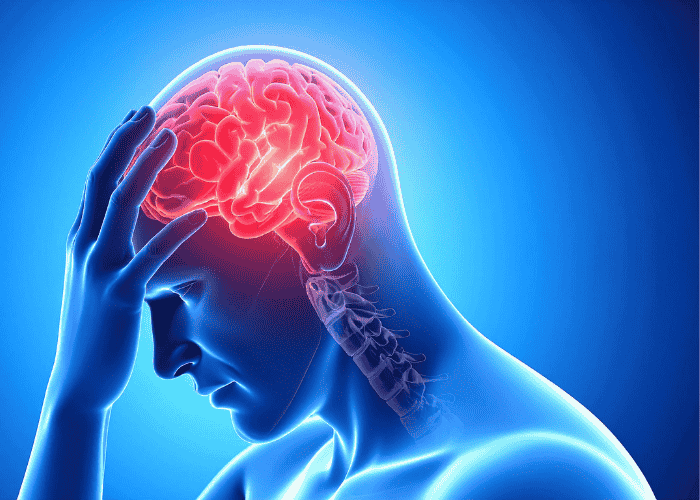
This is a type of neural assessment of the patient where doctors check if the patient is responsive to touch. They also check for signs of nerve damage, spinal cord injuries using advanced tools.
E - Exposure/Environmental Control:
Fully undressing the patient to find all injuries while taking measures to prevent hypothermia.
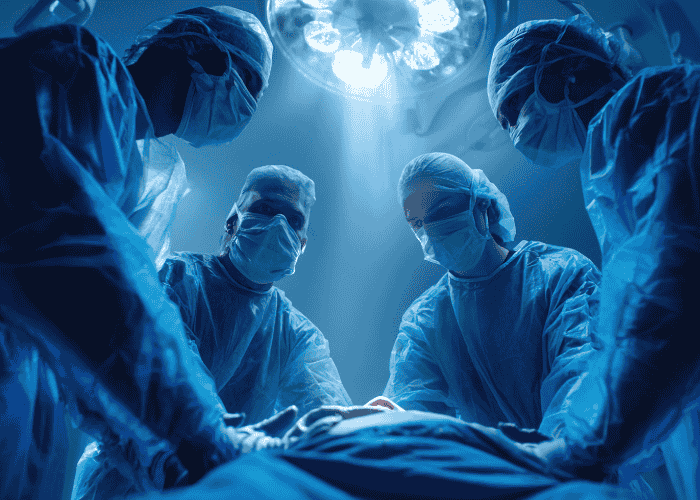
After things get stable, the person usually needs to have surgery. They also need care and often have to go through a long recovery process. This process includes getting help with mental health issues. The recovery process is thorough. It covers many things. It is all part of helping the person get better after what happened to them, which is the recovery process.
Treatments given in trauma care
Initial Resuscitation & Stabilization (Primary Survey)
Airway & Breathing
Circulation
Disability
Exposure & Environment
Diagnostic & Further Treatments
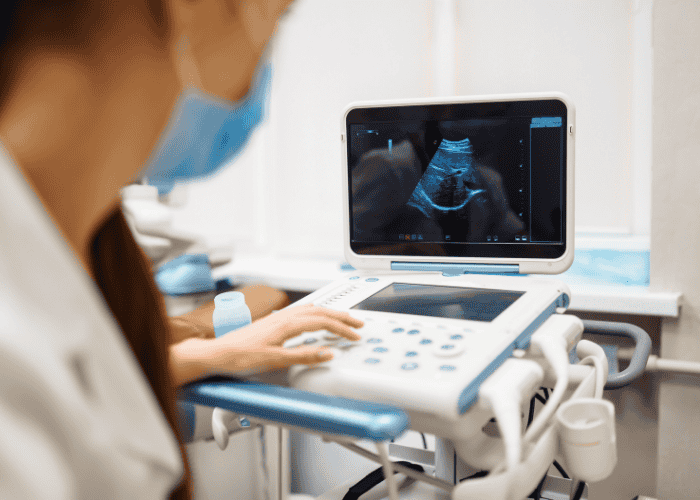
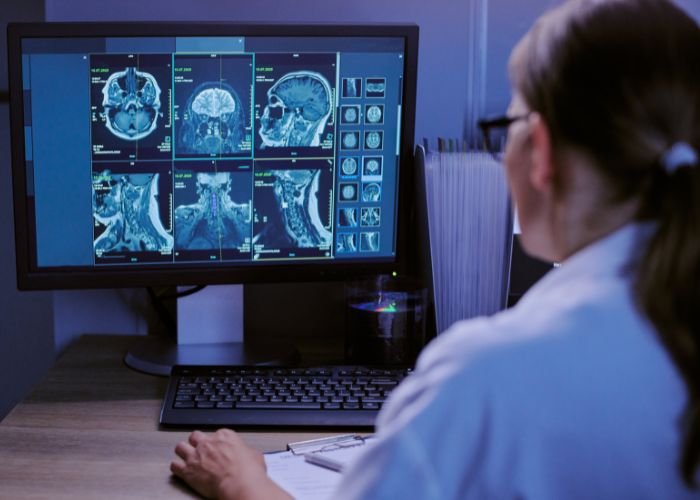
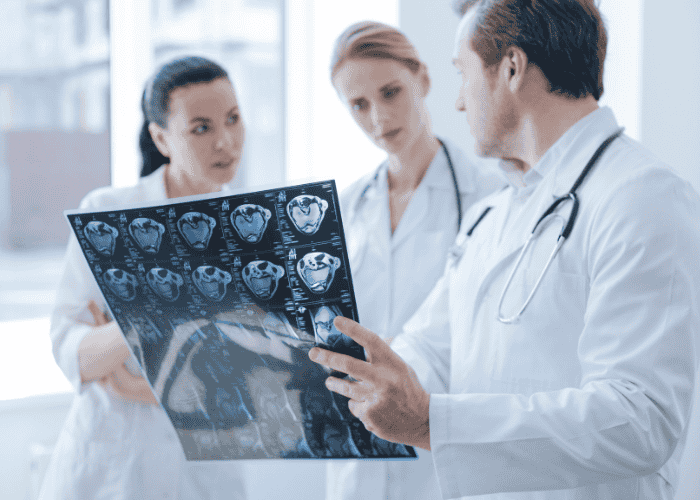
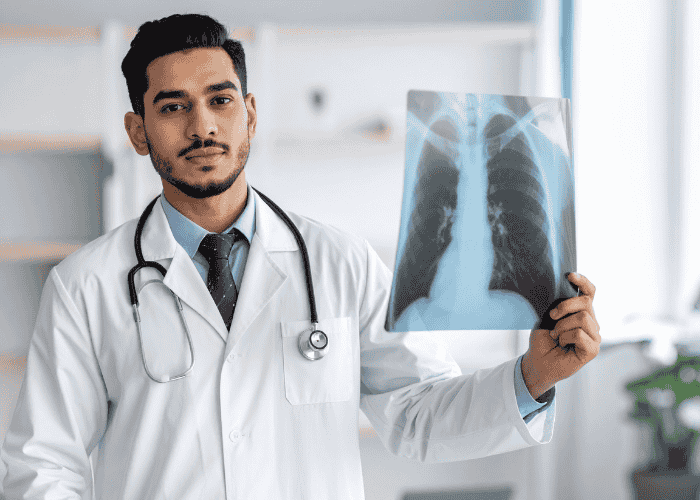
Imaging: X-rays, FAST exam (ultrasound), and CT scans to find internal injuries.
Medications
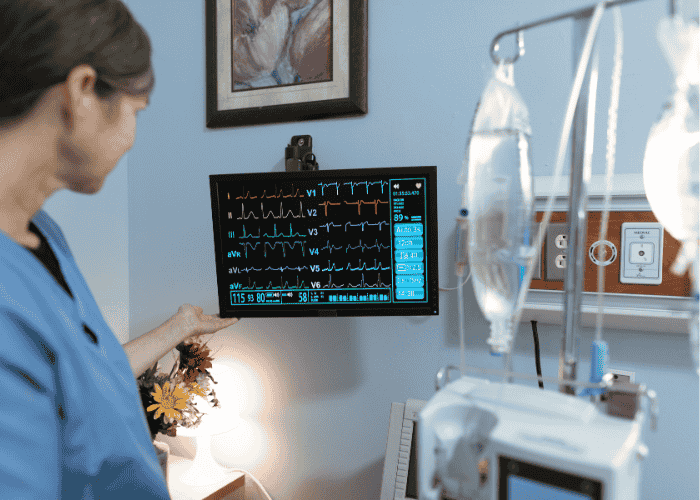
Monitoring: Blood tests (labs), ECG, vital signs.
Specific Injury Management
Head/Spine Trauma
Fractures
Shock
Advanced Procedures & Care
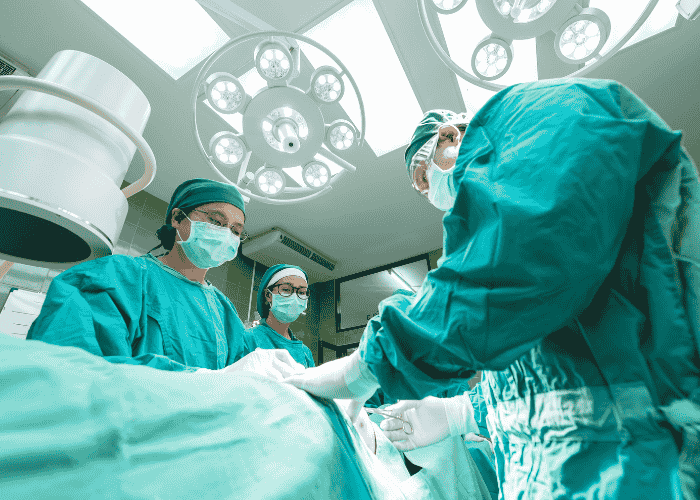
Damage Control Surgery
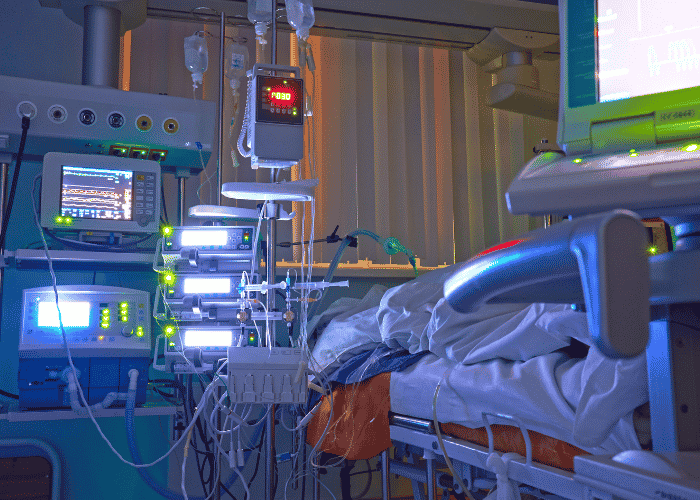
ICU Care
Rehabilitation
Green City Hospital- The Best Hospital for Immediate Accident and Trauma Care
Green City Hospital is the place where you can give your loved ones the best trauma and accident care in India. Situated in Noida, it has a separate ward with leading medical doctors, surgeons, nurses and other trauma care experts.
We have the best first responder treatment in India, from resuscitation therapy and advanced trauma life support systems to save the life of the patient in urgent need and critical situations.
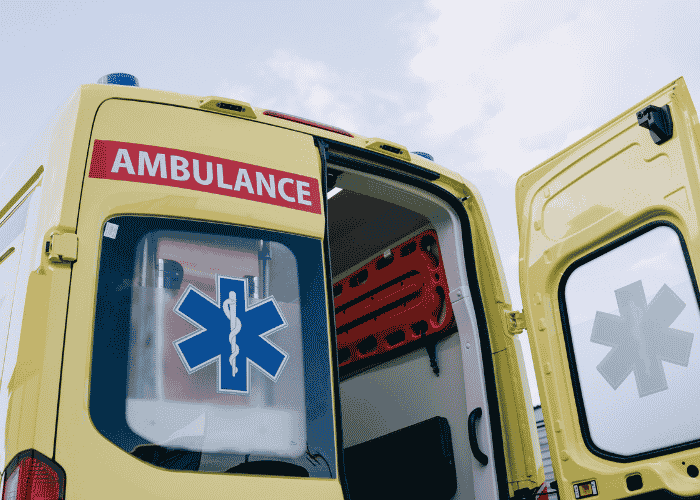
We have a 24x7 advanced medical care unit along with emergency ambulance services.











_12Jan26_122224.png "How NICUs Save Premature and Sick Babies?")