Accident and Trauma Services: Fast Response for Better Recovery
A person's life may alter in a split second. A simple slip on a wet surface, an accident while driving on a highway, or an extremely dangerous accident at work can make a simple daily activity one that involves the question of death and survival. It is at such a time that the matter of survival comes down to a crucial aspect, which is fast emergency response.
When there is a major accident, there are a number of biological functions that begin to work towards damaging the body. They include internal bleeding, lack of oxygen, and injuries within the body.
The Concept of the "Golden Hour"
There is one important principle used in emergency medicine known as the Golden Hour. This term implies the very first sixty minutes after a person suffers a traumatic injury.
During this short period, a person’s body taps into its last resources to keep a stable blood pressure and deliver enough oxygen to his organs. However, in case there are no accident emergency services done by this time (like preventing the development of massive haemorrhage, opening up a breathing passage, or fixing broken bones), the threat to organs and human life will grow dramatically.
Emergency Room vs. Trauma Centre: What is the Difference?
• ER – A facility geared towards handling a wide range of emergency health cases. Be it your high temperature, a severe yet localized cut, chest pain, or any other severe allergy reaction, the ER will take care of you. It deals with everything ranging from emergencies to accidents.
• Trauma Centre – This represents a very specialized and multidimensional health system that can be found in any hospital. The centre operates only on complex cases involving a high level of injury risk (polytrauma). Unlike in the case of the ER, the trauma centre staffs are always available.
The Anatomy of a Fast-Response Trauma Team
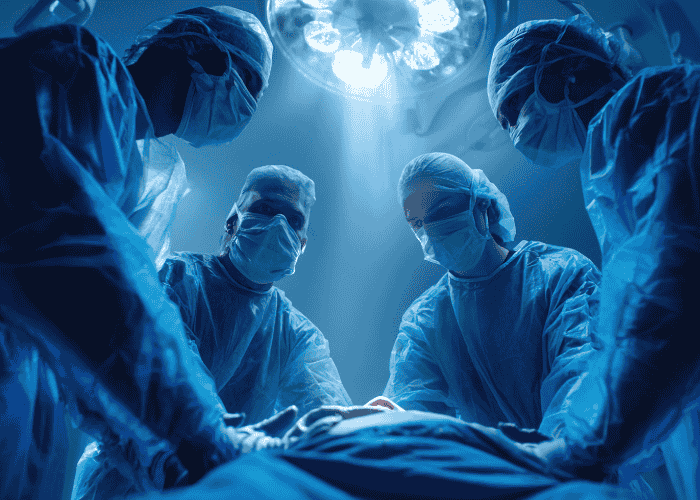
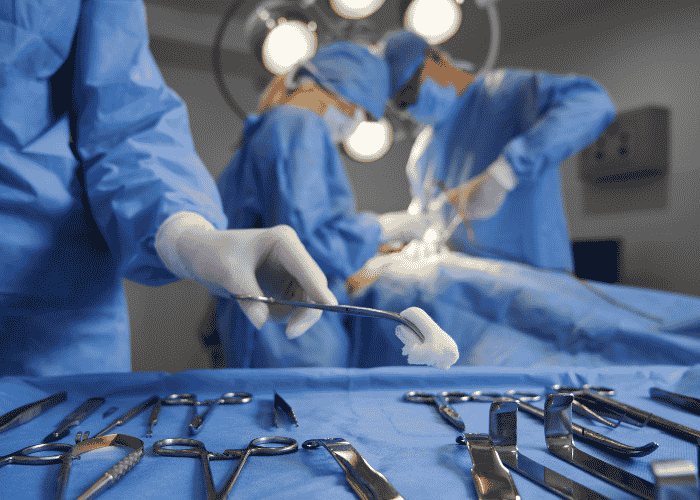
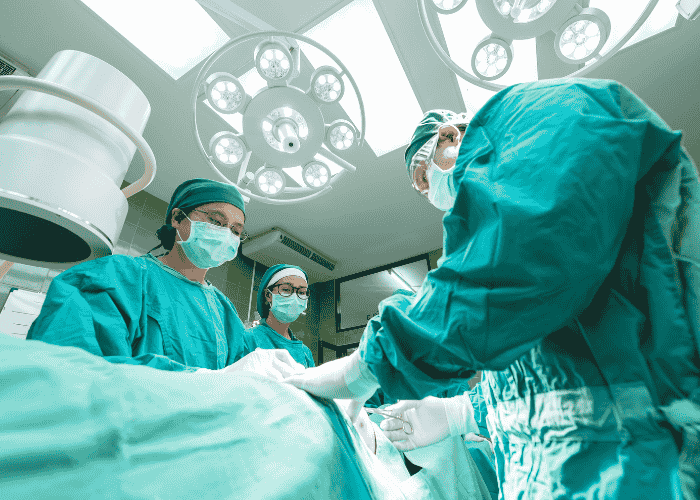
Trauma activation results in simultaneous mobilization of various types of doctors' specialties. Rather than having a physician examines the injured person and then paging the required specialist, a full range of specialists is ready to act immediately before the patient reaches the facility.
The basic composition of a high-level trauma team is:
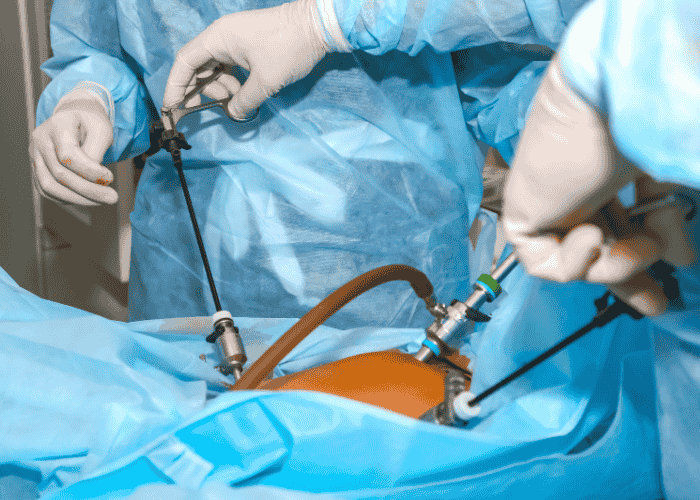
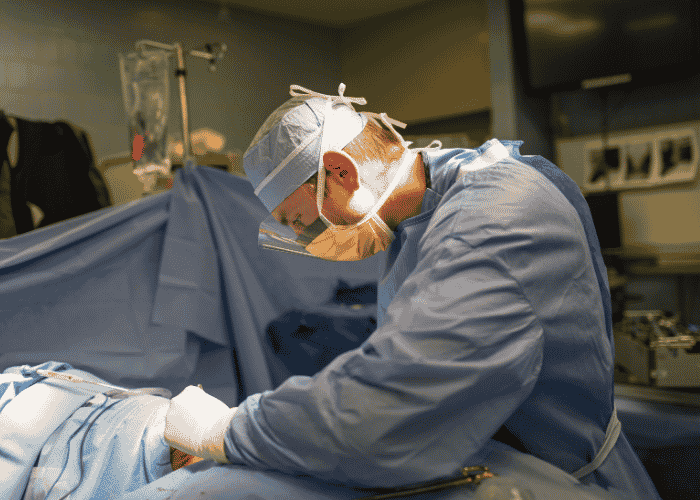
• Trauma Surgeons – Trauma care specialists are highly skilled surgeons capable of immediately performing surgery on a patient to control blood loss or repair damaged organs.
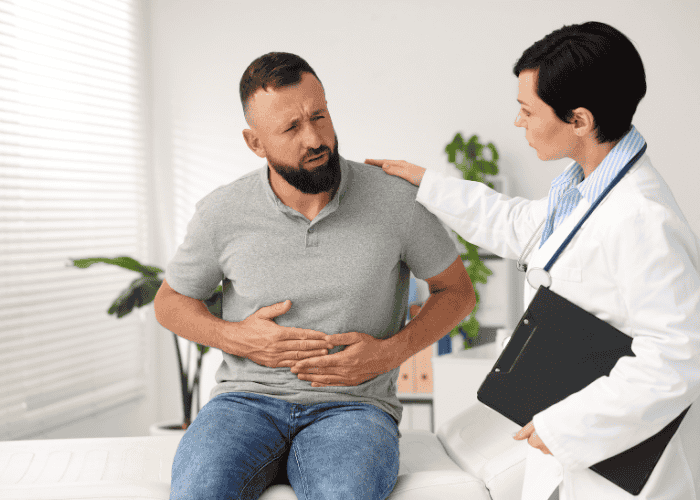
• Emergency Physicians – Specialists, who quickly stabilize patients, secure their airways and conduct initial examination.
• Anaesthesiologists – critical specialists responsible for immediately controlling the pain and preparing the patient for emergency operations.
• Orthopaedic Trauma Surgeons – specialists capable of dealing with complicated bone damage and pelvic injuries, which could lead to massive blood loss.
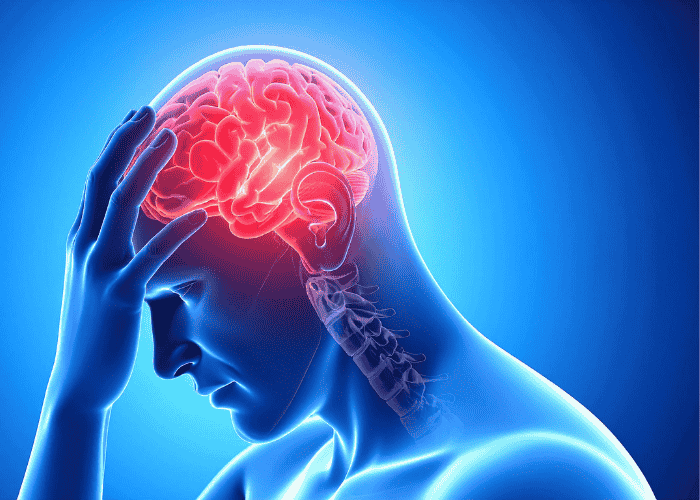
• Neurosurgeons – specialists capable of handling patients with brain or spine traumas.
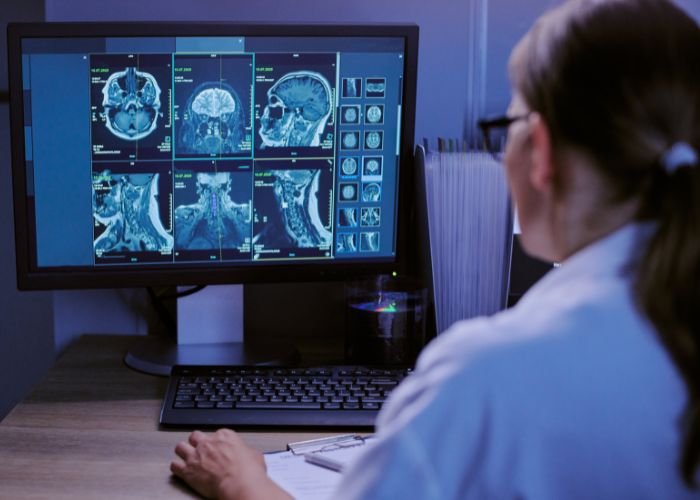
• Specialized Trauma Nurses and Radiologists – capable of quick triage, patient monitoring, and performing emergency diagnostic procedures (e.g., fast CT scan).
Advanced Technology Driving Rapid Recovery
1. Hybrid Operating Theatres
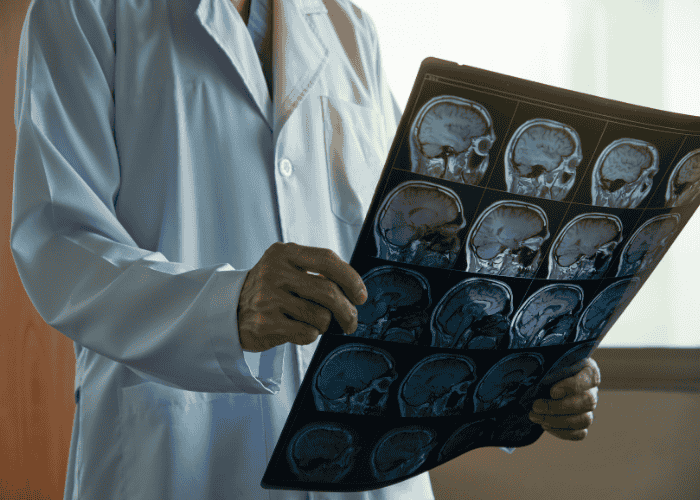
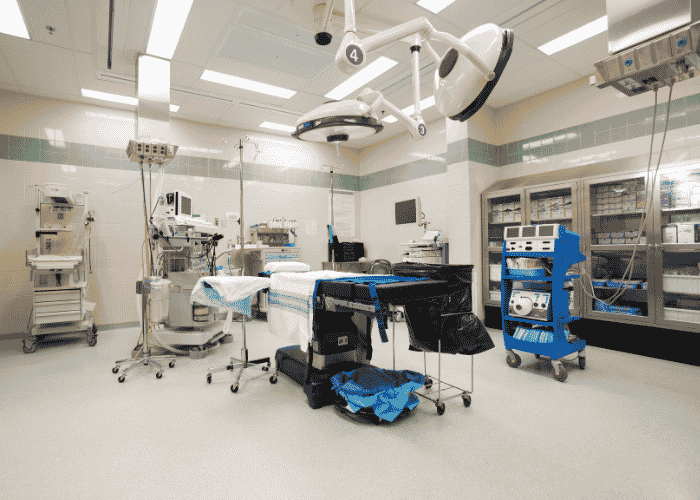
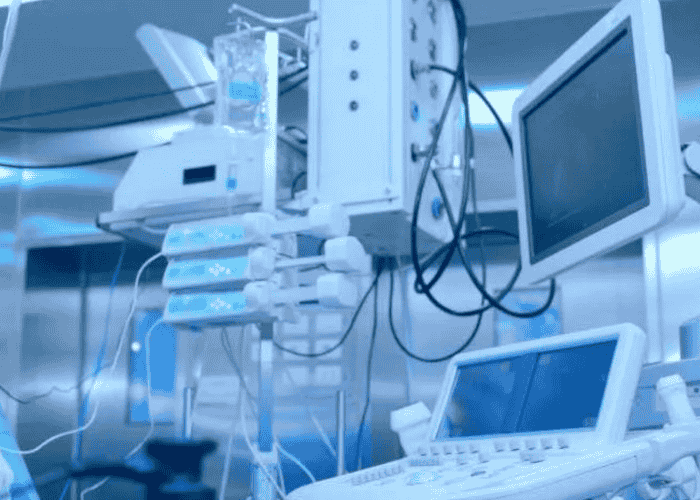
In the past, patients were sent to radiology for scans, taken to the operating room, and possibly even shifted for more procedures. Trauma care centres make use of Hybrid Operating Rooms. In these operating rooms, there are advanced imaging technologies like those that CT scans and angiography loops in the same operating room as all the other equipment.
2. Point-of-Care Diagnostics
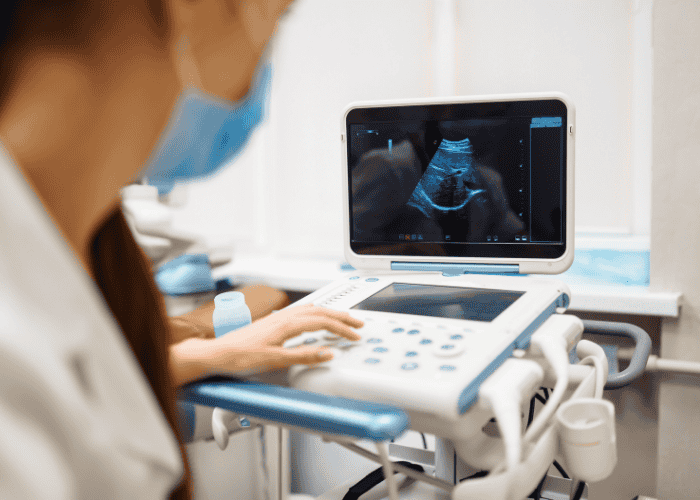
Time wasted while waiting for lab results is time lost. Rapid bedside tests are available for trauma care. The FAST test is one such test.
3. Rapid Infusion Systems
When massive bleeding occurs, regular intravenous infusions would be too slow to administer any fluids. The emergency medical support centres employ what is known as a “rapid infuser,” which can warm up and give one unit of blood or plasma to a patient within a minute.
The Trauma Continuum: From Response to Rehabilitation
Recovery does not just end once the surgery is complete. Trauma care takes a continuous approach to healthcare through the following three phases:
Phase 1: Pre-Hospital Care (The First Responders)
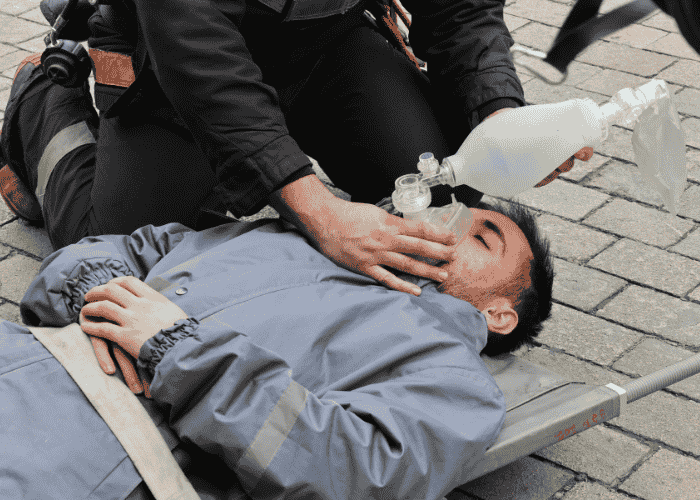
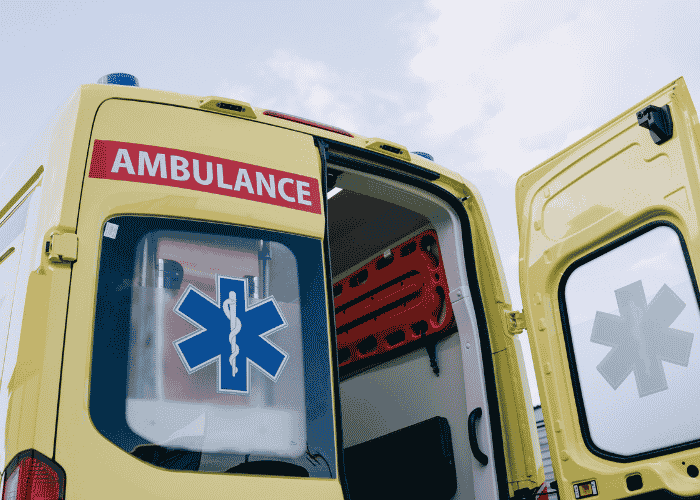
The first phase starts right at the scene of the accident or disaster. Paramedics and EMTs communicate directly with the trauma centre while on their way, reporting the vital signs and mechanisms of injuries.
Phase 2: Acute Critical Care
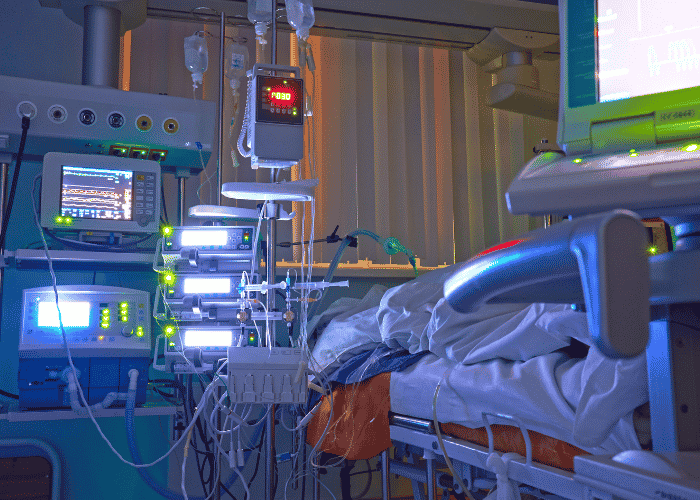
It entails initial resuscitation, imaging, and surgery in the trauma room and operating theatres, followed by very specialized treatment in a Trauma Intensive Care Unit (TICU).
Phase 3: Early, Aggressive Rehabilitation
Recovery commences much sooner than expected. Soon after stabilization, physiotherapists, occupational therapists, and speech therapists get involved—sometimes even before the patient leaves the ICU.
Conclusion: A Community Safety Net
The Accident and Trauma Services represent the most important health safety net that any community can have in the modern world. They remain out of sight up to the point when a critical situation emerges.
With instant field communications, specialized 24-hour multi-disciplinary health care team support and sophisticated surgery equipment, trauma centres manage to overcome the time factor in dealing with a patient's injuries. Such a focus on speed is not only essential for saving lives but also ensures their future quality.
FAQs:
Q: What are accident and trauma services?
A: Fundamentally, Accident and Trauma Services represent a uniquely specialized sector of emergency medical science that treats those victims who have incurred serious bodily injury.
Q: Why is a fast response important in trauma care?
A: The first and most important element involved in any traumatic situation is time, for it determines whether the patient will live or die, and his level of recovery.
Q: How do ambulance services support trauma care?
A: The ambulance services constitute the lifeline of trauma care systems. Ambulances do not only provide transportation to the hospital but also actually become an extended part of the trauma centre that reaches out with lifesaving interventions right at the site of the mishap.
Q: Can quick trauma treatment improve recovery outcomes?
A: Well, the answer to that is unequivocally yes. It turns out that time taken in treating initial trauma is the most reliable indicator of the extent to which one recovers, gains independence, and avoids being permanently disabled.
Q: What types of injuries are treated in trauma care?
A: Trauma medicine addresses the treatment of extreme and urgent wounds due to abrupt external physical force.











_12Jan26_122224.png "How NICUs Save Premature and Sick Babies?")