_12Jan26_122224.png "How NICUs Save Premature and Sick Babies?")
How NICUs Save Premature and Sick Babies?
Having a baby is an amazing thing that any couple would consider auspicious. It is also very complicated. The mother and the baby go through a lot of changes. These changes affect their bodies and their feelings. The birth of a baby is a thing.
But do you know that once out of the mother’s womb, the infant has to get through a lot of changes? Now out, their organ systems have to rely on their own for survival. The baby has to do things for themselves that are outside of the mother's body, and this is a big adjustment for the baby.
And this is where sometimes different complications can occur. You see, the process of baby delivery and surgery is complicated in itself. And on top of that, the newborn’s support systems and vital organ systems can sometimes fail or work erratically. And this is when the newborn needs specialized, intense care, usually given at the NICU in hospitals.
Understanding the Neonatal Intensive Care Unit NICU
So, in simple words, an NICU means a neonatal intensive care unit where only newborns are admitted. Of course, as you can understand, different babies may have their own conditions because of which they need admission into an NICU.
As we shall see, from birth complications, birth disorders, breathing issues, and many more reasons, it may be valid if your baby needs NICU care.
Why is your newborn being admitted to the NICU?
Well, being a parent, it is of course hard to see that your newborn child is being admitted to the NICU. However, do keep hope inside, as this unit itself is there to correct the issues with your newborn and to ensure they are healthy once again. The Neonatal Intensive Care Unit has everything that your baby needs to get better.
Most babies enter the NICU within 24 hours of birth. Common reasons include:
Premature Birth:
A baby who is born usually within their 37th week or less may be termed a case of premature birth and needs care since their respiratory and brain functions are still not working fully.
Low Birth Weight:
The doctors define a standard for low birth weight, which is less than 2,500 grams or 5.5 pounds. This usually causes problems like-
Inability to keep their body warm
Loss of blood sugar levels is right.
Respiratory Distress:
Issues or infections like pneumonia are common in newborns.
Medical Conditions:
Other medical conditions for admitting a newborn to the NICU are heart disorders, infections, jaundice, sepsis, and so on.
Delivery complications
Changes in a baby’s organ systems due to lack of oxygen (fetal distress or birth asphyxia)
Who takes care of your baby in the NICU?
It is now up to a very specialized group of doctors, nurses, and other professionals to watch and care for your baby. Give them the help they need all the time, every single day. The Neonatal Intensive Care Unit team is always there for your baby.
The Medical Team
A Neonatologist
Neonatal Nurses (RNs
Neonatal Nurse Practitioners
Fellows and Residents
Specialized Support Staff
Respiratory Therapist (RT)
A Registered Dietitian
Lactation Consultant
Physical, Occupational, & Speech Therapists
Pharmacists
How does the NICU save your premature-born infant?
1. Respiratory Support (The Lungs)
Surfactant Replacement Therapy
This is usually a form of immediate procedure given to a newborn in case your baby is not able to breathe completely fine. So, in simple words, keep in mind that it involves putting a special kind of liquid, surgically inserting it into the lungs of the baby, so that it prevents the lungs from collapsing and allows the baby to breathe normally.
Ventilators and CPAP:
This is used in case the trachea or the windpipe of the baby is collapsing or is not able to allow air to the lungs. Here, special CPAP monitoring devices are in use for the process.
2. Temperature Regulation (The Skin)
Preemies do not have a lot of body to keep them warm, and they lose heat very quickly, about 15 times faster than grown-ups do. This is because preemies have little insulating body fat.
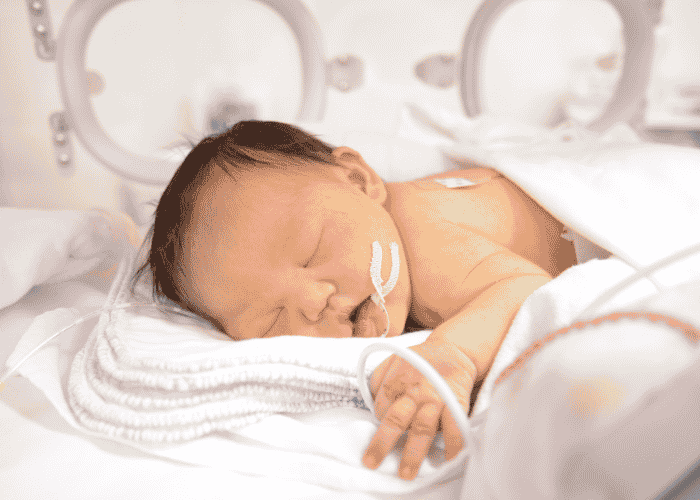
Use of Incubators
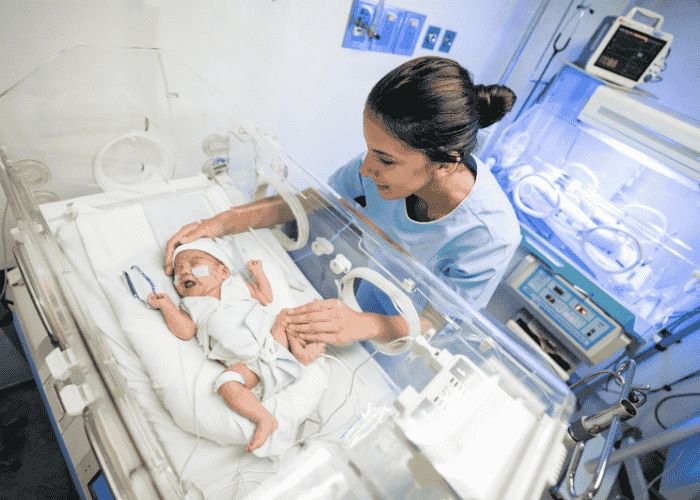
These devices help keep your baby warm. It helps maintain the right moisture, avoiding skin dryness in the infant.
3. Nutritional Support (The Gut)
They often have a time-sucking and swallowing at the same time. That is why preemies need food and special ways of eating. The food, for preemies, is made for them.
Saving babies born with diseases in the NICU
To save babies born with diseases, the NICU uses a highly structured process of stabilization, targeted medical intervention, and continuous multi-organ support. The approach depends on the specific disease, but generally follows these phases:
1. Immediate Stabilization & Assessment
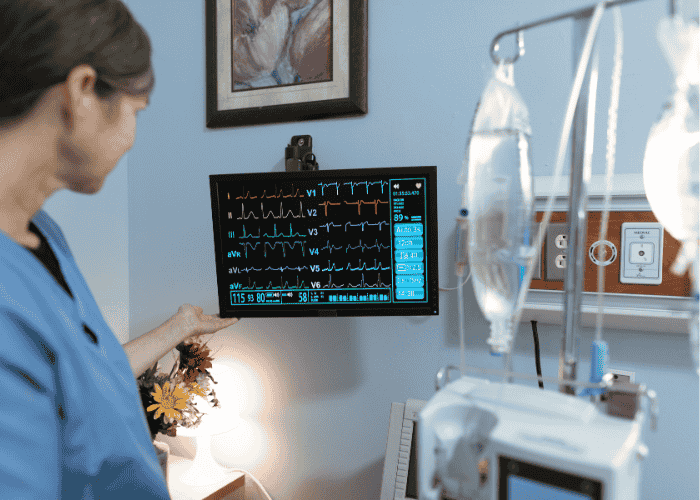
Vitals Monitoring: We keep an eye on the heart rate, oxygen levels, and blood pressure of the patient. We do this by using leads on the chest and a pulse oximetry device.
Thermoregulation is very important. When the baby gets hypothermia, the disease can get worse. So we use these warmers to keep the baby warm and comfortable. This helps the baby have energy to fight the disease.
2. Critical Disease Interventions
Infections like Sepsis: This medicine is usually given before they even get the test results back.
Severe Jaundice is a problem. Doctors use lights called blue lights to help the baby feel better. This is called phototherapy, and it helps break down the bad stuff, which is bilirubin in the baby's body. If the levels of bilirubin get too high and the baby is in danger, the doctors do something called an exchange transfusion. During this procedure, they take out the baby's blood. Replace it with donor blood from someone else.
Green City Hospital- The best Neonatal care in Noida
Green City Hospital gives the best neonatal care for infants. We have a full-fledged care facility for your newborn in case they have any defects or complications at the time of their birth. We provide the best in-class facilities and highly advanced critical emergency treatment for babies after their birth.
Our neonatal section has specialized nurses and doctors who provide the utmost care and attention for your infant after their birth. We also take emotional care of the mother during this time, ensuring meetups from a safe distance. We do all this, ensuring all the hygiene parameters are put in place within the neonatal unit.
FAQs:
Q: What is a Neonatal Intensive Care Unit (NICU)?
A: As you can understand, it is the unit where intense care is taken for newborns or infants right after their birth. It is the unit where emergency procedures or minor surgeries may be conducted, depending on the age, weight, or health of the baby.
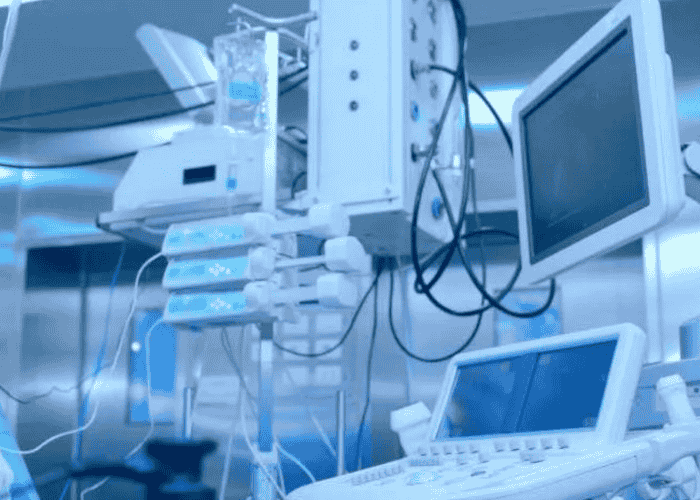
Q: What equipment is used in a NICU?
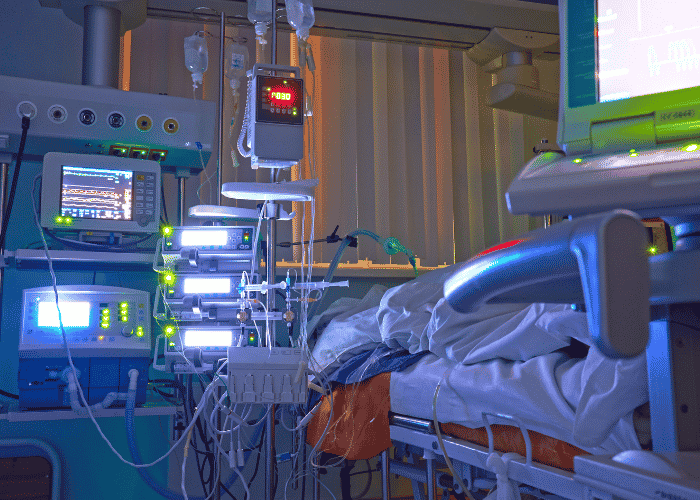
A: NICUs can have different types of equipment, from incubators, CPAP devices, radiant warmers, ventilators, syringe pumps, portable X-ray machines, feeding tubes, and a lot more.
Q: How long does a baby stay in the NICU?
A: It kind of completely depends on the analysis done by your doctor. It depends on the condition of the baby. Usually, issues like premature birth cases or low birth weight issues need your baby to stay in the NICU for a couple of days to weeks at least.
On the other hand, if your baby is born with a congenital disorder or a severe infection, the stay could be a lot longer.
Q: Is NICU care safe for newborns?
A: Yes, of course, it is the special unit that is devoted to the care
of newborns only.
Q: Is NICU care available 24/7?
A: Yes, the NICU is a critical and emergency care unit that is open around the clock in hospitals.