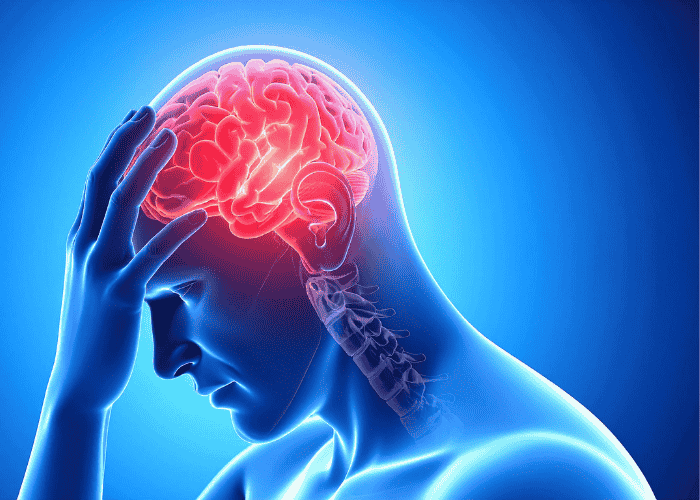
Brain Health Awareness: Early Warning Signs of Neurological Problems You Shouldn’t Ignore
Issues pertaining to brain health remain a major challenge in the evolving world. Especially issues like neurological problems are quite common across different age groups.
As you may know, the nerves have a deep, intricate network, especially inside the brain and the spinal cord. Known as the nervous system, it is responsible for our locomotion, vision, senses, and all other forms of stimulus.
Scientists and researchers have done many studies and reviews of such patients suffering from neurological or brain conditions. The general findings are that in most cases, the early signs of a nerve disorder or issue are generally subtle.
Lack of awareness of such minor signs, along with the inability to note these early warnings, plays a crucial role in the delay of diagnosis. Because of this, more than 60% of nerve disorders are finally brought into the light under a moderate to severe condition.
Thus, brain and neurological health and its awareness are crucial for us to know these days. In this blog post, we are going to do exactly that.
By going through this blog, you will get an idea about the early signs of nerve problems, their causes, the mode of diagnosis and consultation with an expert, and how to avoid such major health issues in your life. So, let us get started...
Early signs of a neurological disorder
After studies from top neurological experts and compiling the reports from different studies, here is a list of some early signs-
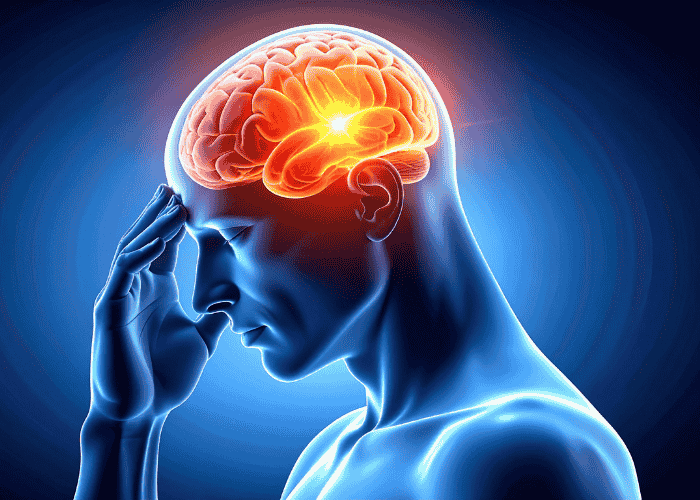
Headache
Headaches often occur for weeks or months with no respite, even after the use of medicines. In more than 75% of cases, headaches often get more severe or frequent, degenerating into migraine attacks.
Memory issues
As per studies, cognitive decline is often one of the earliest signs of neurological issues.
Coordination and balancing issues
Your brain is key to maintaining your balance when you are walking, running, or even doing any other task. With a critical brain issue, expect to lose balance or have a lack of coordination in the body.
Dizziness
Felling light-headed or dizzy is another common issue with most brain disorders.
Changes in mood
The person suffering from nerve disorders can often suffer from sudden mood swing disorder, aggression, confusion, emotional state of mind and so on.
Types of neurological issues
There are more than a few hundred types of nerve disorders, although they can be categorised as below-
Neurodegenerative conditions
Alzheimer’s disease
Multiple sclerosis issue
Parkinson’s disorder
Specific brain conditions
Epilepsy
Migraine
Traumatic brain injury
Fibromyalgia
Spine conditions
Spinal cord injury
Spinal muscular atrophy
Spina bifida
These issues are so common that they account for more than 80% of all the worldwide neurological issues diagnosed around the world.
Finding the cause of a nerve disorder
Let us give you a complete idea of the causes of neurological symptoms and disorders-
Changes in genetic pattern and traits
Congenital issues where the nervous system develops abnormally during the development of the fetus
An injury to the head or other body part affecting the spinal cord or nerves
Any kind of tumour that affects the nerves
Diabetes causes diabetic neuropathy in people
Brain stroke
Severe addiction to using alcohol, narcotic drugs or too much smoking and Vaping
Poor diet habits
Different types of infection
How does your doctor evaluate a neurological disease?
It is evident that when you see any symptom as given above, you will think of consulting with a top neurologist in your area.
Therefore, here is what you can expect your doctor to check initially-
The symptoms that are occurring, and for how long, how frequent or if they are getting severe
A check of your past medical history
Reviewing if any of your parents or family members have brain or nerve conditions
Now comes the basic external checkups where the doctors conduct your-
Reflex test
Vision test
Balance test
Muscle strength
Coordination
Checking your emotional intelligence
Memory test
Diagnosis and tests
When it comes to a critical health issue such as a brain disease, the doctors will always confirm any condition with diagnostic tests. Based on the initial assessment, different types of basic and advanced tests are done, such as
EEG
EMG
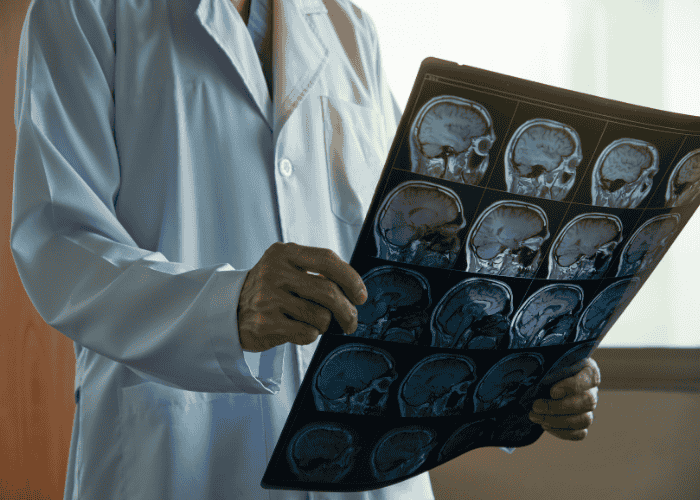
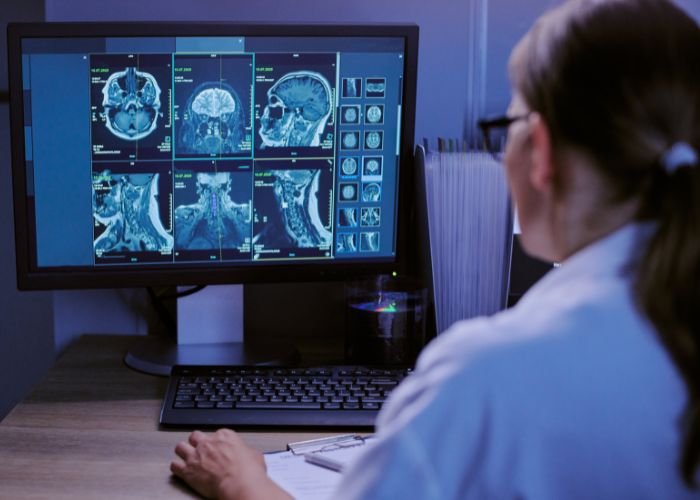
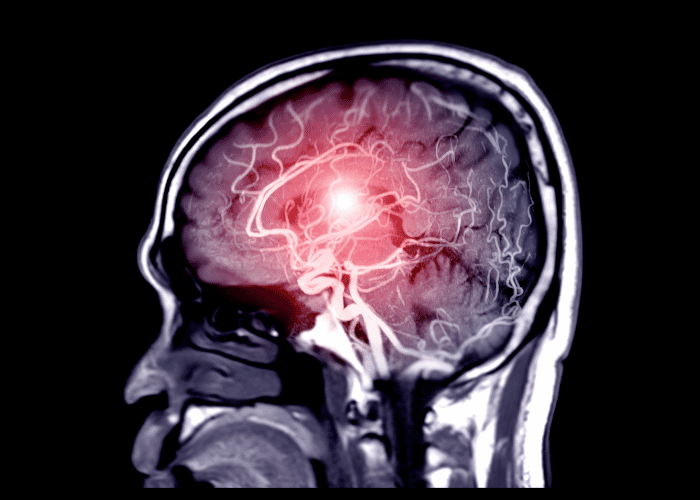
Imaging tests like MRI, CT scans
Nerve conduction study
Spinal tap
Green City Hospital in Greater Noida has the top neurologists in the country, along with the most advanced diagnostic and treatment options for nerve and brain health issues. Book your consultation today!!
Treatment options for nerve disorders
Some of the most common treatment options include-
Medicines
Assisting devices for neuromuscular conditions
Physical therapy
Psychotherapy
Speech therapy
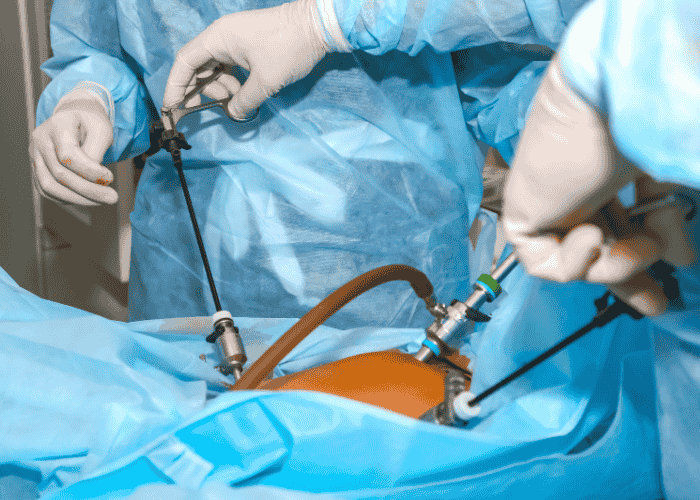
Surgeries
Ways to prevent and avoid
See, if you have read this article up until now, it is clear that different parameters control our brain health. Some things like genetic changes, congenital conditions, family history and hereditary issues are beyond our control.
So what is within your control to avoid a severe brain or neurological disorder? Well, here are a few steps for preventing neurological diseases -
Avoiding a stressful life
Ensuring enough rest and night sleep
A life without depending on addictions or substance use
Having a good diet
Green City Hospital for Expert Neurology Consultation and Treatment
For the best brain health and neurological consultation in India, only trust Green City Hospital. Located in Greater Noida, we specialise in connecting with the issues of the patients.
Our top neurologists from across India follow a patient-centric and calm approach, advising the best treatment and prevention ways to cure or avoid nerve or brain disorders and their complexities.
FAQs:
Q1. What are the early signs of poor brain health?
Ans: Some of the early signs are-
Lack of night sleep
Speech and balancing issues
Headache
Dizziness
Nausea
Changes in emotion
Q2. When is it the time to visit nerve doctor?
Ans: As we have told you, visit a neurologist after checking the symptoms given in this article for a couple of days and if they are worrying you or affecting your life.
Q3. Are memory issues always a sign of a neurological problem?
Ans: No, having memory problems is not always a confirming sign of any neurological problem. It can occur simply through ageing, or may also indicate more than one issue, like severe depression, dementia, seizures, and so on.
Q4. What causes sudden neurological symptoms?
Ans: Sudden neurological signs like seizures, brain stroke, and migraine always indicate a critical brain issue.
Q5. How can I prevent neurological diseases?
Ans: To prevent neurological diseases, first make all the good changes to your lifelike having a good diet, having enough sleep, avoiding stress and so on.





























_12Jan26_122224.png "How NICUs Save Premature and Sick Babies?")