Mental Health Explained: Signs You Need Professional Help from a Psychiatrist
Occasionally, everyone is anxious, such as before a job interview or presentation, when suffering from hard life events, or when making difficult decisions. Some individuals, however, go from one anxiety attack or suffer from severe stress and depression for no good reason, and sometimes such anxiety stays with them long after the stressful situation is over.
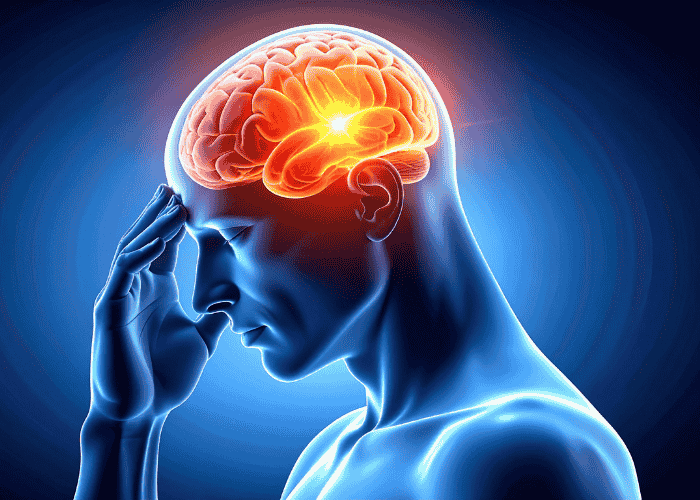
The psychological state of chronic and excessive unease is referred to as a kind of mental health problem, which can be either depression, stress, or anxiety issues that are troubling you. The lack of mental wellness is the number 1 leading mental health problem, currently affecting nearly 284 million people throughout the world.
A person suffering from mental health disorders may also manifest several physical symptoms, which are heart palpitations, sweating, dizziness, nausea, and chest pain. They can also affect one’s mood, attitude, personality, and interpersonal interactions in a great way.
Recognizing the Signs of Mental Anxiety
Since poor mental health tends to worsen gradually, many people fail to realize they have an anxiety disorder until it reaches severe intensity. Knowing the signs of mental health issues can help identify mental health issues early and seek timely treatment. Here are a few key signs:
Persistent Fatigue
Any kind of mental health issue is incredibly draining, both physically and mentally. People with anxiety often feel tired, low on energy, and struggle to get enough sleep. However, lack of proper rest further elevates anxiety, causing a vicious cycle.
It's important to break this cycle. Taking regular breaks, getting enough sleep, and engaging in calming activities such as yoga or meditation can help reduce anxiety and restore energy levels.
Difficulty Concentrating
Anxious individuals find it hard to focus or concentrate on work, conversations, or tasks. This issue simply means that you are not able to concentrate on your daily life activities. It gets in your way, making your task look all the more difficult and lengthy, as a result of which you often neglect the task at hand.
Emotional Instability
Unmanageable worry and fear understandably cause frequent mood swings. Severe depression or stress makes people prone to getting irritated, angry, or upset easily. It also leads to crying spells over minor issues. These mood swings can be difficult to control and can lead to further mental health issues such as depression.
Treatment Options for Patients with Anxiety
Counseling equips anxious individuals with healthy coping strategies for managing symptoms better. Medication provides additional support to control anxiety issues. Exercise, relaxation techniques, and lifestyle changes can also help to reduce anxiety. At this stage in your life, there is no doubt that you need the help of a psychiatrist or a mental health expert and start your life back to recovery once again. Here are some of the well-known psychiatry OPD services.
Cognitive behavioral therapy (CBT)
CBT is an action-oriented form of talk therapy focused on addressing current mental health problems. CBT also teaches practical stress management skills. CBT is an effective treatment for anxiety, depression, and other mental health issues. It is also used to help people cope with difficult life experiences.
Exposure therapy
This behaviorally-based treatment helps patients confront feared situations in a graduated, controlled way. Confronting fears allows overcoming them gradually. Creative visualization techniques may be included, too.
Use Anxiety Tips That Work At Home
Alongside professional treatment, using certain self-help tips helps control anxiety or depression episodes. Here are some clinically proven effective strategies:
Provide Validation
Simply listening patiently and validating the emotions of anxious people offers relief. Comments like "It's understandable to feel scared about this" are reassuring. Instead, focus on providing support and validating the person's feelings. Additionally, try to focus on the present and the situation at hand rather than getting overwhelmed and trying to solve the person's problem.
Express Concern
Ask how you can help and remind them they don't have to face this alone. Provide the company with the option, if they want, but don't force interactions. Offer to go shopping or pick up groceries for them. Check if you can help such a patient in any way possible, showing signs of empathy and emotion to the person. Offer to talk or listen if they need it.
Distract Positively
Suggest involving activities like games, music, films, or exercise that shift focus away from worries. These activities can help to reduce stress and anxiety.
Encourage Relaxation
Advice: Try meditation, yoga, visualization, and deep breathing to induce calm. Aromatherapy, soothing music, and spending time in nature also help relax. Regular relaxation can help to reduce stress and anxiety levels. It can also help improve concentration and focus.
Prioritizing Mental Health
Unfortunately, social stigma regarding mental health prevents many people from addressing anxiety or any other mental health concerns. They often feel that society in general is going to neglect them, and they would be seen as weak or mentally crazy in front of others.
So, being open about issues and making self-care a priority is important. Seeking professional help is also essential, as it can help to identify the underlying causes of any mental health issue and provide strategies for managing the symptoms.
Mental Health-Promoting Foods
A 2017 study on dietary patterns and depression indicated that "a diet pattern characterized by a higher intake of fruit, vegetables, whole grains, fish, olive oil, low-fat dairy products, and there was an association between antioxidants and a low intake of animal products was associated with a decreased risk of depression."
The consumption of red or processed meat, refined grains, sweets, high-fat dairy products, butter, potatoes, high-fat gravy, and a lack of fruits and vegetables is associated with an increased risk of depression and other mood disorders.
The impact of diet on our relationships
Take this into consideration: You are more likely to engage in social activities if you are feeling better physically. It may be difficult to form social relationships in your community when you lack energy or feel unwell.
Food plays a significant role in the development of our relationships, both with others and with ourselves. It is possible to lose weight, increase energy, and improve mental health by consuming a nutritious diet.
Being confident or having a positive self-image can result from feeling good on the inside. As a result of having a higher sense of self-esteem, you may feel more confident socially and more motivated to establish new friendships and romantic relationships.
It is possible to engage in social activities while eating well. As a family, you can create recipes together or sit down for nutritious, home-cooked meals with your loved ones as a means of bonding.
The Effects of Nutrition on Physical Health
Obesity, heart disease, and some forms of cancer are all serious physical health complications that can be attributed to an unhealthy diet. It is the leading cause of death in the United States due to a combination of diseases that cause cardiovascular complications.
Approximately 80% of premature heart disease, 80% of type 2 diabetes cases, and 40% of cancer cases can be prevented by consuming a healthy diet, exercising, and avoiding tobacco use, according to the World Health Organization (WHO).
Green City Hospital in Noida for the Best Mental Health Consultation
Green City Hospital in Noida has some of the best psychiatrists and mental health experts on its team. We provide empathetic mental health consultation with patients of all ages. While keeping a caring touch for the patient, we dive deep into the mental condition of the patient and diagnose the problem, healing the person's mental health over time.
FAQs:
Q1. What are the early signs of poor mental wellness?
Ans: Being in a poor mental health condition, you may often have signs of headache, sudden mood swings, lack of emotional control, and suffer from excess stress. Have any of these issues for a couple of weeks regularly, and remember that you know when to see a psychiatrist.
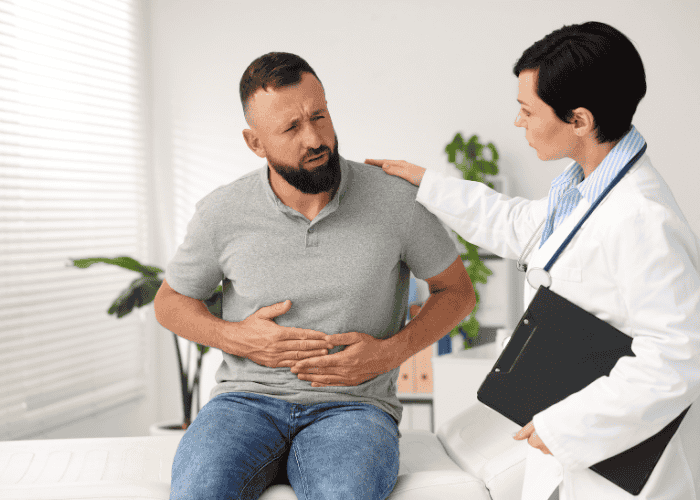
Q2. What happens during a Psychiatry OPD consultation?
Ans: During a psychiatric OPD consultation, the patient walks in to consult with a psychiatry expert, where the doctor does several rounds of consultation regarding the signs, and analyzes the overall life and condition of the patient to determine the type of mental health issues.
Q3. Is it normal to feel hesitant about seeing a psychiatrist?
Ans: Yes, it is common that you may hesitate to discuss your personal and family life with a psychiatrist for the first time. However, remember that discussing each parameter about your personal life is important too, to get well.
Q4. Is the Psychiatry OPD suitable for mild mental health issues?
Ans: Yes, most of the time an OPD consultation is enough to get rid of mild stress and anxiety issues, where the doctors recommend you different remedies like the use of medicines, good lifestyle ways like yoga and meditation.
Q5. Are medications always required for mental health issues?
Ans: No, it is not always that your mental health issues will need to be cured with the help of medicines. There are loads of other natural, ayurvedic, and other mental health therapies equally powerful too.

















_12Jan26_122224.png "How NICUs Save Premature and Sick Babies?")