Inside the Intensive Care Unit: Saving Lives 24/7
The Intensive Care Unit combines technology with the knowledge of a very skilled team. This team includes doctors, nurses, respiratory therapists, and specialists. The Intensive Care Unit team works together to help patients who are very sick.
A Basic idea about ICU
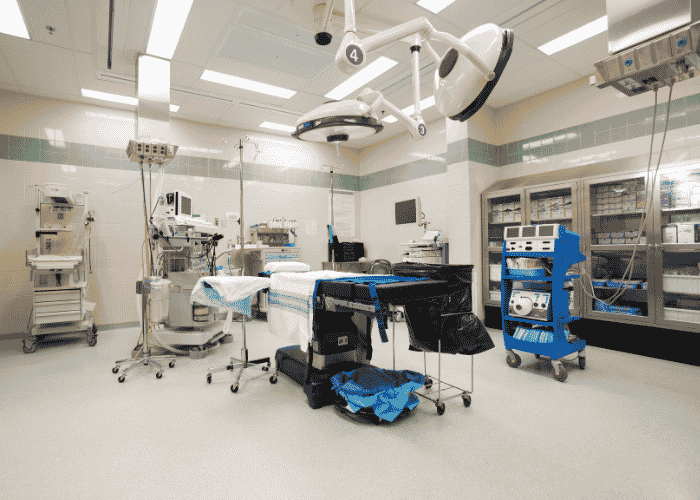
The ICU, or the Intensive Care Unit, is just another unit or division of the hospital where certain selected patients are kept. As you can understand by the name of the unit, such patients need special monitoring and intense 24x7 care, which is why the name.
Such patients may have severe disorders like a heart attack, severe trauma or injuries, accidents, or suffer from kidney failure conditions.
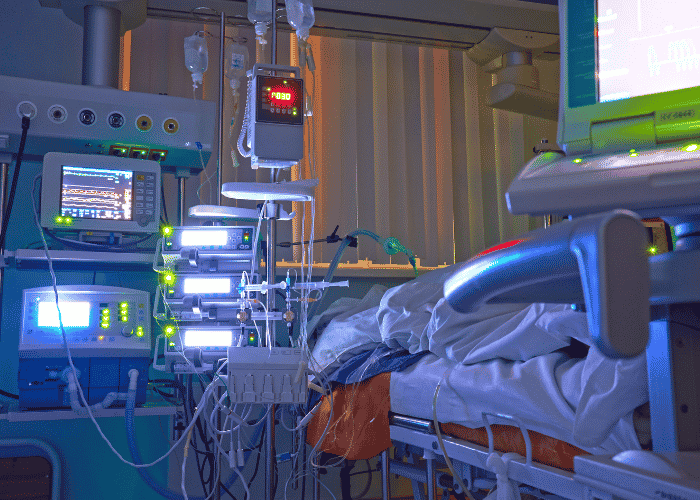
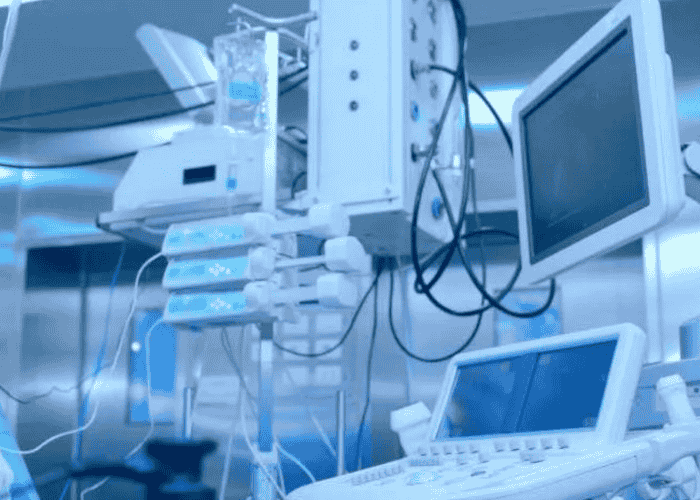
Most often, such units are separately designed as they have specialized equipment like ventilators, heart rate monitors, oxygen supply, infusion pumps, and so on.
Core Functions of Critical Care
Monitoring:
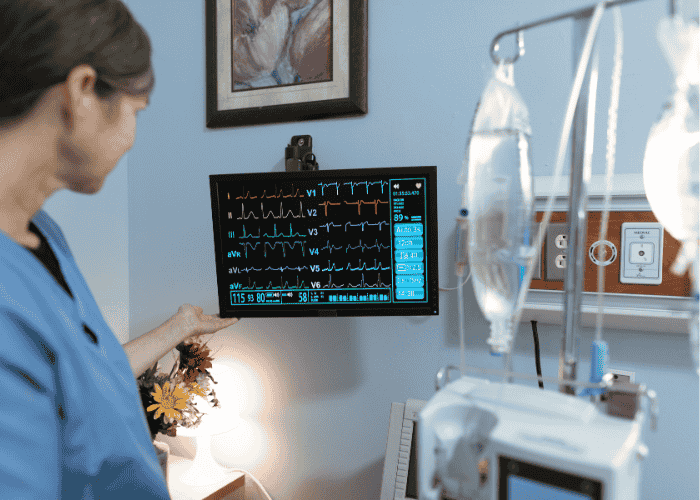
Doctors and nurses keep a close eye on patients all the time to see if there are any changes in things like heart rate, blood pressure, oxygen levels, and how fast they are breathing. They use machines to do this. These machines are very good at tracking and monitoring patients.
Life Support:
The unit gives people the help they need to stay alive, like machines that breathe for them, filters for the kidneys, and medicines to keep their blood pressure from getting too low. The Life Support machines do lots of things, like help people breathe with ventilation for their lungs. The Life Support also includes dialysis, which is also known as CRRT, to help the kidneys work properly. The Life Support has vasopressors to keep the blood pressure at a good level. The main thing is that the Life Support helps people when their organs are not working properly.
Knowing the members of an ICU team
An ICU hospital care operates with a highly coordinated multidisciplinary team that provides 24/7 care. Every member has a specific role in stabilizing patients and managing complex life-support systems.
Primary Clinical Staff
• Intensivists:
Also known as Critical Care Specialists, in charge of the unit. They also work with doctors who specialize in different things. When something really serious happens, Intensivists are the ones who do things like intubations to help the patients.
• Critical Care Nurses:
These are the people who take care of patients at their bedside. They watch patients closely, usually one nurse for one or two patients. They check the equipment that is helping the patient.
• Respiratory Therapists
They are really good at helping people breathe. They are experts when it comes to taking care of airways.
Rehabilitation & Support Specialists
• Physiotherapists and Occupational Therapists:
These Physiotherapists and Occupational Therapists are really good at helping people get moving again. They do this so that people do not lose muscle strength. The Physiotherapists and Occupational Therapists also help patients do things that we all do every day, like taking a bath or getting dressed. This is very important for the patients. The Physiotherapists and Occupational Therapists are very good at their job. They really help the patients to regain their strength and ability to do things on their own.
• Registered Dietitians:
These people look at what you need to eat to be healthy and create meal plans. They make sure you get the food you need, even if it has to go through a tube or into a vein. Registered Dietitians do this to help people who cannot eat food. They design plans for food that goes into your body through tubes, which is called enteral, or through fluids that go into your veins, which is called parenteral, and Registered Dietitians are in charge of making these plans.
Emotional & Administrative Support
• Social Workers and Case Managers
They give support to patients and their families. Social Workers and Case Managers also assist with making plans for when patients are ready to go home. Additionally, Social Workers and Case Managers help families figure out insurance and financial issues, which can be very stressful for them. Social Workers and Case Managers are there to make things easier for everyone involved.
• Chaplains and Pastoral Care
They are there to help patients and their families with things. They do this for everyone, no matter what the patients and families believe in. The Chaplains and Pastoral Care team want to support people when they are going through times. They provide guidance to the patients and their families, and they do it in a way that respects the patients and their families' own beliefs. The Chaplains and Pastoral Care are available to help the patients and their families. They do not care what religion the patients and families are.
Common equipment found in the ICU
ICU doctors and nurses use equipment that is broadly categorized into monitoring, life support, and diagnostic tools to manage patients with acute organ dysfunction.
1. Monitoring Equipment
These devices act as the "eyes and ears" of the ICU, providing real-time data on a patient's status.
• Patient Monitors can do things: they keep track of the Patient's vital signs all the time, like how fast your heart is beating, the patient's blood pressure, how much oxygen is in the patient's blood, and how fast you are is breathing. Patient Monitors are really helpful because they show information like heart rate from an ECG, blood pressure from NIBP, oxygen saturation from SpO2, and respiratory rate.
• Pulse Oximeters are devices that can be carried around or can be part of a machine. These Pulse Oximeters measure how much oxygen is in your blood without having to put any needles in you. They simply do this, just by touching your skin, and they give you the reading of your blood oxygen levels. This is really useful because it helps you know if your Pulse Oximeters are giving you the information about your blood oxygen levels. You can use Pulse Oximeters at home or in a hospital. They are very helpful for people who need to keep track of their blood oxygen levels all the time.
2. Life Support Equipment
These machines temporarily replace or assist failing organ functions.
• Mechanical Ventilators are really important because they help people breathe. They do this by pushing air into the lungs of patients who have Mechanical Ventilators and are struggling with breathing problems. This is especially helpful for patients who have failed and need Mechanical Ventilators to assist them or even take over their breathing completely.
• Infusion and Syringe Pumps are really useful because they help deliver the amount of fluids or nutrition, or even strong medications like sedatives or blood pressure support to people who need them. This is important for Infusion and Syringe Pumps because they have to give people the amount of medication that they need. Infusion and Syringe Pumps are good at doing this.
3. Specialized Patient Care Tools
• Adjustable ICU Beds are really helpful because they are Specialized beds that stop people from getting pressure ulcers, which are also known as bedsores and they also let doctors and nurses move the patient quickly when there is an emergency, with the ICU Beds.
Common procedures in an ICU unit
Let us list out some of the common ICU treatment procedures by a group of special doctors.
Mechanical ventilation
Bronchoscopy
CVC
Intra-aortic balloon pumps
Dialysis
Throacentesis
Pulmonary arterial catheter
Green City Hospital- The Best Affordable Hospital in India
Green City Hospital in Noida provides the best ICU and CICU facilities for patients. We have a team of highly experienced doctors and trained professionals for this.
The good thing is that our ICU and CICU services provide care for neonatal units, to old and aged people needing medical attention. Plus, we also provide the most high-end surgeries and other procedures in our ICU.
FAQs:
Q: What is an Intensive Care Unit (ICU)?
A: In simple words, an ICU unit is where patients in need of critical care and urgent monitoring are kept under the supervision of doctors and nurses.
Q: Who needs ICU care?
A: Anyone suffering from severe burns, accidents, injuries, trauma, pain, heart attack, organ failure, internal bleeding, or hemorrhage may have to be admitted to an ICU.
Q: Is the ICU available 24/7?
A: Yes, of course, it is the unit that is open 24/7 in a hospital.
Q: How long does a patient stay in the ICU?
A: It depends on the type of procedure and the condition of the patient. Usually, patients in the coma stage may have to stay in the ICU longer.
Q: How is ICU different from a normal hospital ward?
A: The ICU is typically different from normal wards in the sense that it holds specialized equipment for monitoring and a separate set of doctors and nurses.

















_12Jan26_122224.png "How NICUs Save Premature and Sick Babies?")