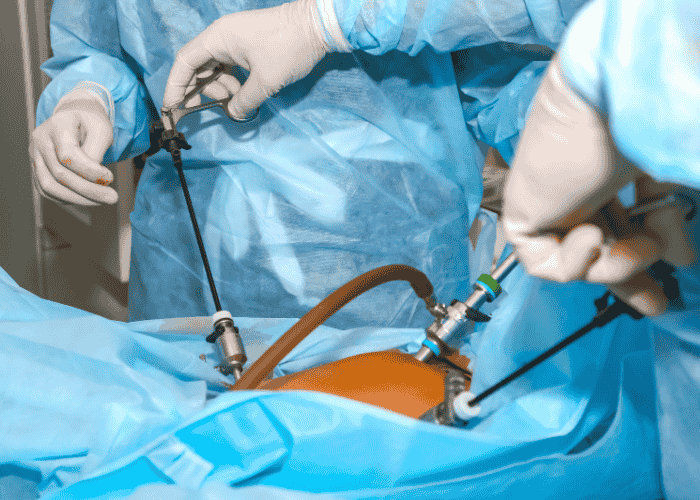
Laparoscopic Surgery: Minimally Invasive Treatment for Faster Recovery
Think of surgery like a "keyhole" approach. Of a big cut, surgeons use small holes and special tools to do the job. It is like fixing a problem inside you without making an opening.
In such a procedure, the doctors put a few tiny slits or cuts to conduct the surgery. Usually, to do a minimally invasive laparoscopic surgery, doctors need high-end tools.
An invasive laparoscopic procedure is just a formal way of saying what we have been talking about. It is not a type of surgery; it is a category that laparoscopy falls under.
When a doctor uses the phrase, they are emphasizing three things:
• Minimally Invasive: The goal is to do as damage as possible.
• Laparoscopic: This refers to using a camera in the abdominal or pelvic area.
When is Laparoscopic Surgery Done?
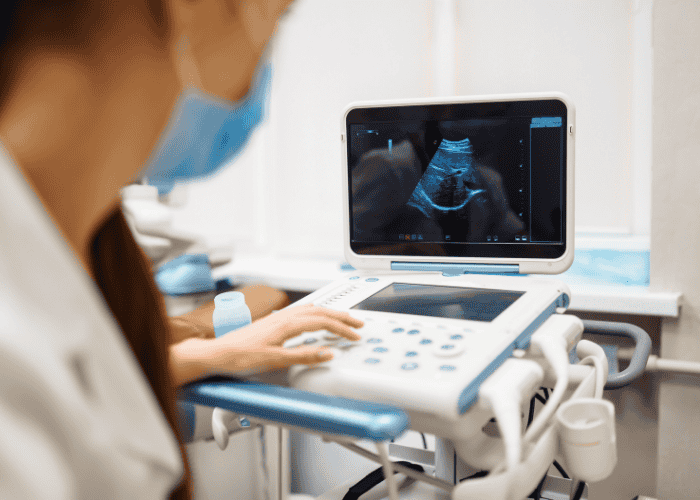
Laparoscopic surgery is used to both find out what is wrong and to fix it. It was only for simple things, but now it is used for many medical issues.
For diagnosis of different health issues:
When doctors use laparoscopy to diagnose them take tissue samples for a biopsy test. This is done for:
• Pelvic pain
• Finding out why someone cannot get pregnant
• Conducting a biopsy
The minimally invasive procedure ensures that the process is less extensive and less stressful for the patient.
For Routine Surgeries:
Laparoscopic methods are used for surgeries like:
• Removing kidney stones
• Removing gallbladder stones
• Removing the appendix
• Fixing hernias
• Weight loss surgeries
• Removing ovaries
• Removing the uterus
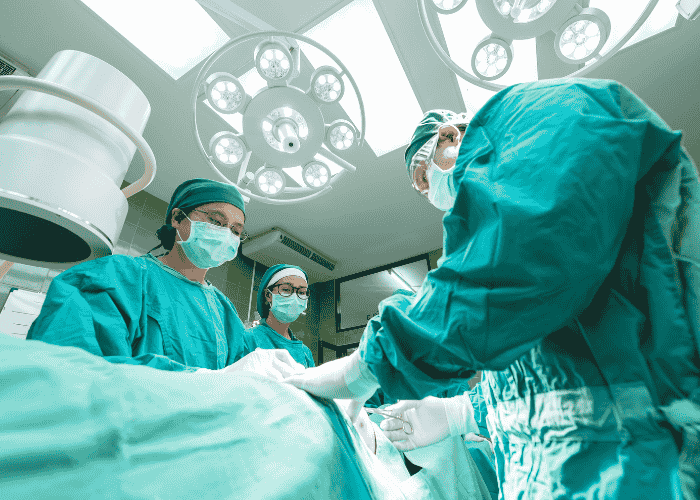
All these surgeries can now be done using the minimally invasive process. This means that the doctors do not have to cut the entire abdominal section to conduct the surgery. Instead, the cut tiny slits and holes at specific points and insert micro tubes and advanced surgical tools to conduct the procedure.
How to Prepare for Laparoscopic Surgery?
Preparing for surgery involves planning and following specific medical rules. Even though it is minimally invasive, your body still needs to be in condition.
The "Golden Rules" (Day Before)
• Fasting (NPO): Do not. Drink anything after midnight when you have the procedure due the next day.
• Medication Check: Ask your surgeon which pills to take and which to stop. Make sure to show all samples of existing medicines and your prescriptions to the doctor.
• Bowel Prep: You might need to take a laxative or follow a liquid diet. In this case, the doctors will admit you in hospital and give a suitable diet.
Physical Preparation
• The "Surgical Scrub": Shower with soap to reduce skin bacteria. This is important as otherwise a small presence of bacteria on the surgical area may increase chances of infection.
• No Extras: lotions, perfumes, deodorant and makeup on the day of surgery.
• Loose Clothing: Wear something to the hospital that is clean, and ease to wear and open.
Types of Laparoscopic Surgery
Now it is time for us to have a look at some of the laparoscopic surgeries that are commonly done these days.
• Cholecystectomy: Removing the gallbladder.
• Appendectomy: Removing the appendix.
• Hernia Repair: Fixing hernias.
• Anti-Reflux Surgery: Treating heartburn.
• Hysterectomy: Removing the uterus.
• Ovarian Cystectomy: Removing cysts.
• Endometriosis Ablation: Removing tissue.
• Tubal Ligation: birth control.
• Colectomy: Removing part of the colon.
• Gastric Bypass / Sleeve Gastrectomy: Weight-loss surgeries.
• Splenectomy: Removing the spleen.
• Nephrectomy: Removing a kidney
• Prostatectomy: Removing the prostate gland.
• Pyeloplasty: Clearing a blockage.
How is Laparoscopic Surgery Done?
Phase 1: Preparation & "The Sleep"
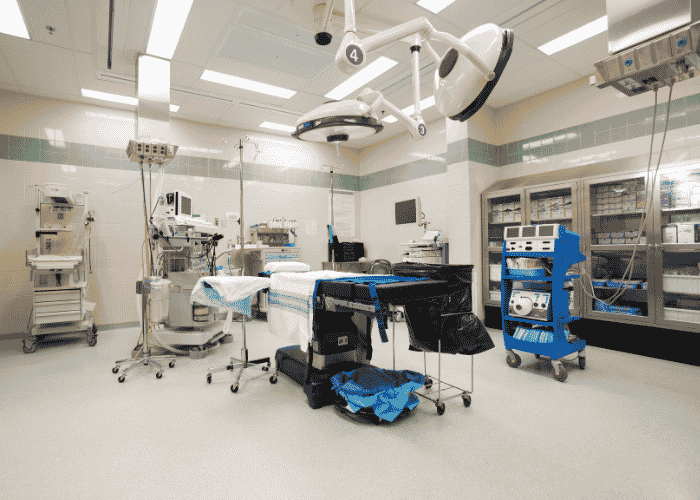
• You are given anaesthesia. These days, even for minimally invasive surgeries the doctors give full body anaesthesia, which means that you will end up unconscious. However, in a few diagnostic tests the doctors may also give partial anaesthesia only to the region where the slits or cuts will be done.
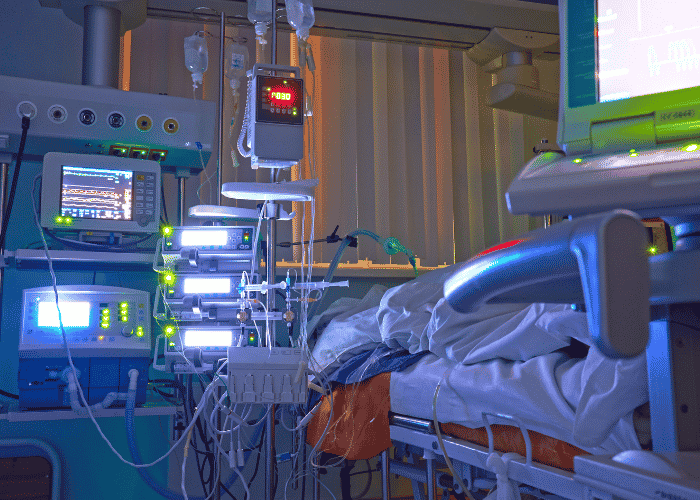
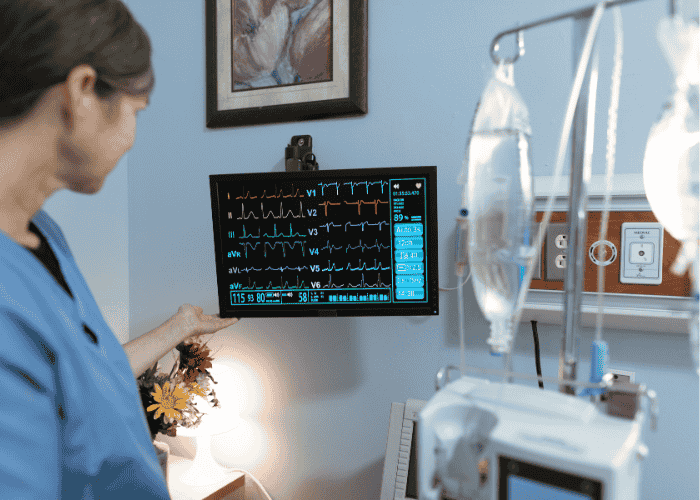
• You are placed on the operating table and all your vital signs like BP, heart rate, and breathing are monitored on screens.
Phase 2: Gaining Access (The "Ports")
• The surgeon makes an incision. This is where the surgery begins. The doctors first mark the exact region to place a fine precision cut to avoid any damage to internal muscle or organ tissues.
• Inflation: CO2 gas is pumped into your abdomen.
• The Trocar: A plastic tube is placed into the incision.
Phase 3: The "Eyes" Inside
• The Laparoscope: A thin rod with a camera is slid through the trocar. Remember that it is connected all the way to a screen to allow the doctors to see inside and conduct the surgery.
• The Video Feed: The camera sends a magnified image to monitors throughout the surgery.
Phase 4: The Procedure
• Additional Ports: tiny incisions are made.
• The "Work": The surgeon uses handled tools.
Phase 5: Closing Up
• Inspection: The surgeon checks for bleeding
• Deflation: The CO2 gas is released
• Closing: The tiny slits are closed
Advantages of Minimally Invasive Laparoscopic Surgery
A minimally invasive surgery, especially in case of a laparoscopic procedure, has many benefits. This is why most surgeons and doctors are opting to for this procedure in case of a wide range of operations.
Let us give you a general idea about some of the key benefits of a minimally invasive laparoscopic surgical process-
Shorter hospital stay
In case of minimally invasive surgery, the patient does not have to stay at the hospital for too long. It is because the patient usually recovers faster since there are less cuts and after marks of the procedure. For most surgeries, the patient usually has to stay at the hospital for 2 to 5 days.
Quicker return to life
It helps the patient to get back to their normal life and do daily life activities. Whereas in a normal procedure, there are many restrictions regarding daily activities, there is none in case of minimally invasive laparoscopic procedures.
For example, in case of any major surgery, the patient has restrictions on lifting or carrying heavy weight objects, stair climbing, walking, running, and so on.
Small incisions
As we have told you above, one of the key benefits of a minimally invasive laparoscopic surgery is the small incisions put in place. For any kind of surgery, the incisions or cuts are hardly beyond a few centimetres in width.
As you can understand, the less the cut, the lower the chances of infections and complications to the surgery area after the procedure is done.
Reduced medication
Since the cut and incisions are smaller, it needs fewer medicines. The doctors usually administer small doses of medicines and apply bandage to the area for a few days.
Less infection rates
In minimally invasive procedures, there are minimum cuts and small incisions done during the process. This is huge benefit considering the fact that there is a much smaller chance of having an infection on the surgical area.
FAQs
Q: What is laparoscopic surgery?
A: A laparoscopic surgery, or a keyhole surgery, is where different internal surgical procedures are done by inserting microsurgical tools through tubes or trocar.
Q: Is laparoscopic surgery better than open surgery?
A: Yes, of course, there are many benefits in case of a laparoscopic surgery than a fully open surgery. For example, it comes with faster recovery time, less blood loss and many other benefits.
Q: How long does recovery take?
A: Well, after a minimally invasive laparoscopic surgery, you need a recovery time. Depending on the type of surgery and your condition, it is generally not more than 2 to 5 days.
Q: Are there risks involved?
A: Yes, there are some risks even when doing a laparoscopic surgery, which you should consult with a doctor.
Q: Who is a suitable candidate for laparoscopic surgery?
A: Patients with a condition affecting their pelvis, urinary tract, kidneys, or gall bladder, with an overall good health, are an ideal profile.




























_12Jan26_122224.png "How NICUs Save Premature and Sick Babies?")