When Do You Need a Neurosurgeon? Signs and Treatment Options
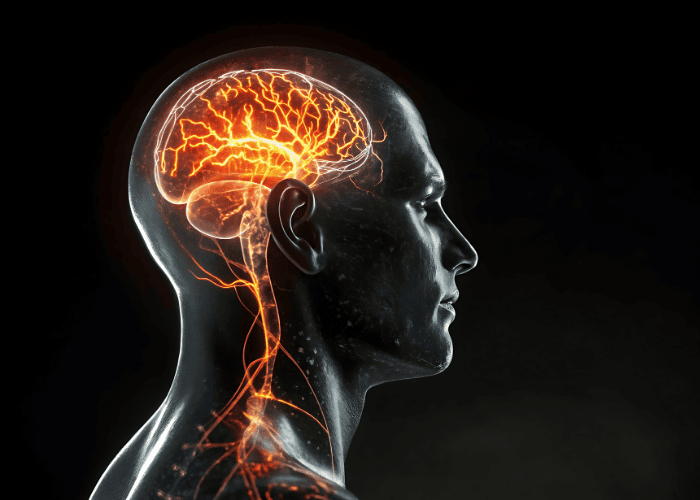
A neurosurgeon is a doctor who specializes in the diagnosis and surgical treatment of problems with the nervous system. This includes the brain, spinal cord, and nerves.
A brief idea of neurosurgery and its scope
Neurosurgery is a field that focuses on preventing, diagnosing, and treating problems with the nervous system. This includes the brain, spinal cord, and nerves throughout the body.
Scope of Practice in Neurology
Neurosurgery is not about brain surgery. It covers areas, including:
? Brain and Cranial Surgery: This is for treating tumors, aneurysms, strokes, and head injuries.
? Spinal Surgery: Spine surgery treatment is for treating discs, spinal stenosis, and other spinal problems.
? Peripheral Nerve Surgery: This is for treating nerve problems like carpal tunnel syndrome.
? Non-Surgical Management: Neurosurgeons also provide care that does not involve surgery, like medications and physical therapy.
Principal Sub-specialties
There are sub-specialties in neurosurgery, including:
? Neuro-oncology: This is for treating brain and spinal tumors.
? Functional Neurosurgery: This is for treating movement disorders, epilepsy, and chronic pain.
? Pediatric Neurosurgery: This is for treating defects and childhood neurological disorders.
? Neurovascular Surgery: This is for treating blood vessel problems in the brain.
? Skull Base Surgery: This is for treating tumors or lesions at the base of the skull.
Key roles and responsibilities of a neurosurgeon
Neurosurgeons do things, including
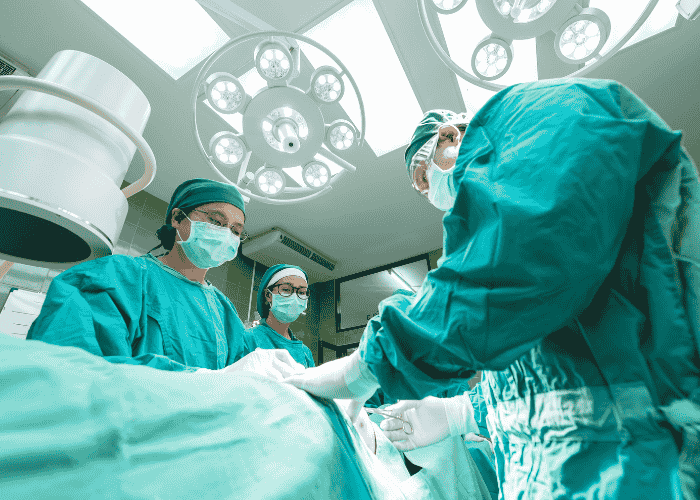
? Surgical Intervention: They perform operations to treat brain tumors, aneurysms, and spinal deformities.
? Non-Surgical Care: They provide care that does not involve surgery, like medications and physical therapy.
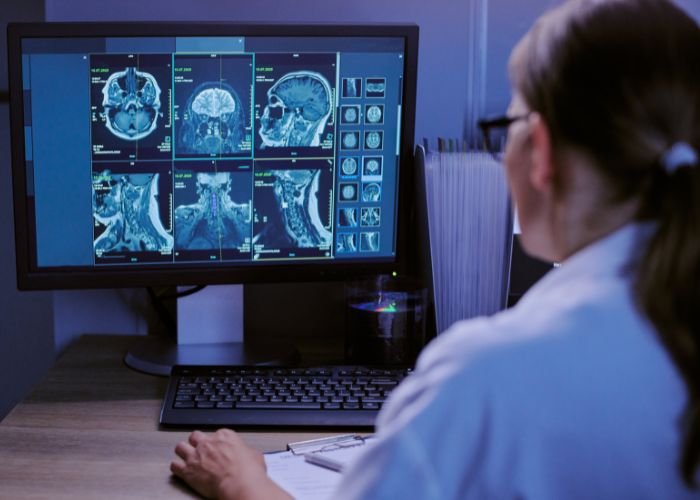
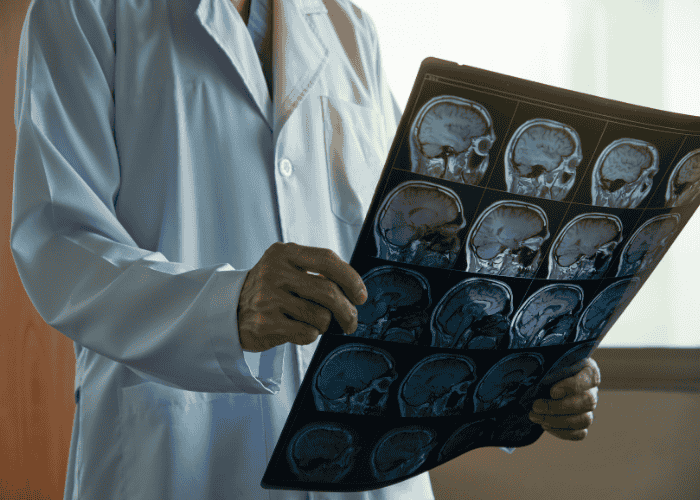
? Specialized Testing: They interpret test results like MRI scans and CT scans.
? Consultation: They work with doctors to evaluate patients who may need surgery.
When to go to a neurosurgeon?
You should see a neurosurgeon if you have symptoms that suggest a problem with your brain, spine, or nerves. This is especially true if you have symptoms that may require surgery.
Common symptoms
Some symptoms that may require a neurosurgeon include:
? Chronic back or neck pain that does not go away with rest or treatment.
? Radiating pain like sciatica that goes down your leg or arm.
Neurological "Red Flags"
Some symptoms are emergency signs that you need to see a neurosurgeon immediately. These include:
? weakness, like dropping things or having trouble lifting your foot.
? Tingling, like having a "pins and needles" feeling in your limbs.
? Loss of balance, like feeling unsteady or clumsy.
Brain-Related Symptoms
Some brain-related symptoms that may require a neurosurgeon include:
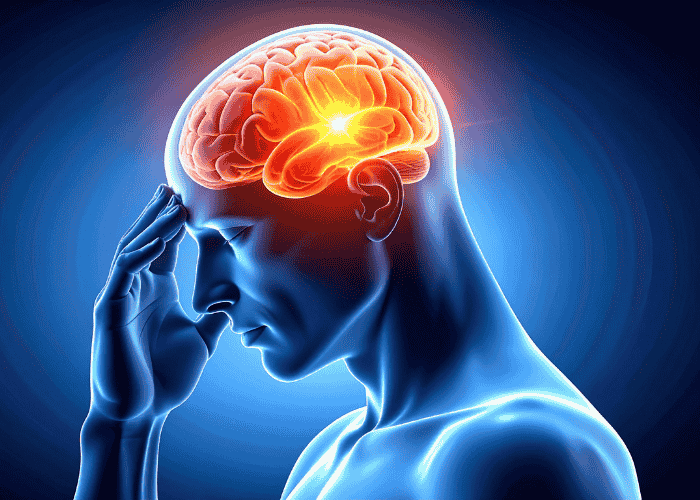
? headaches, like a sudden, severe headache.
? onset of seizures, like having a seizure for the first time.
? Sudden sensory changes, like vision or slurred speech.
Emergency Situations
You should seek emergency care if you have:
? Loss of bladder or bowel control.
? Traumatic injury, like a head or spine injury.
Treatment options in neurosurgery
There are treatment options in neurosurgery, including:
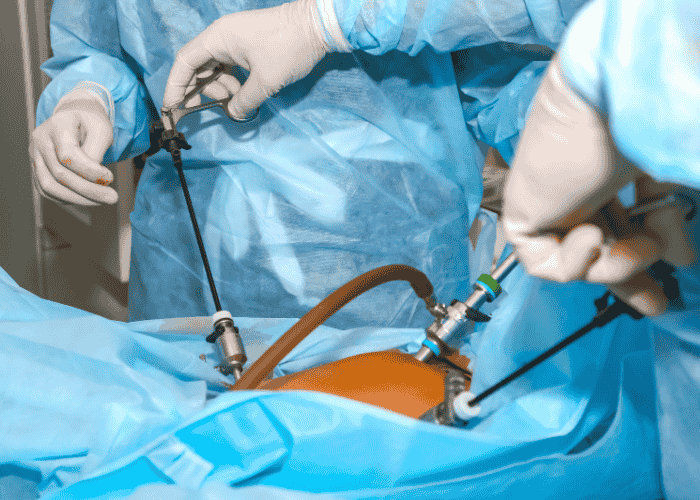
? Surgical Interventions, like craniotomy or spinal decompression.
? Minimally. Endoscopic Techniques, like neuroendoscopy or endovascular procedures.
? Non-Incision Treatment, like radiosurgery.
? Neuromodulation and Functional Treatments, like brain stimulation.
? Conservative Options, like medication or physical therapy.
Duties and responsibilities of a neurosurgeon after surgery
The neurosurgeon's role does not end when they leave the operating room. In fact, the neurosurgeon has a lot of work to do after the surgery is over. The neurosurgeon has to take care of the patient and make sure they recover well. This is an important time, and the neurosurgeon has to be very careful.
1. Immediate Postoperative Monitoring
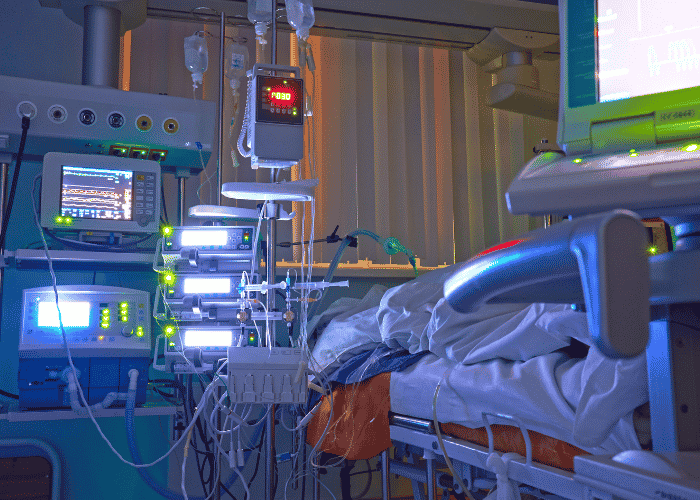
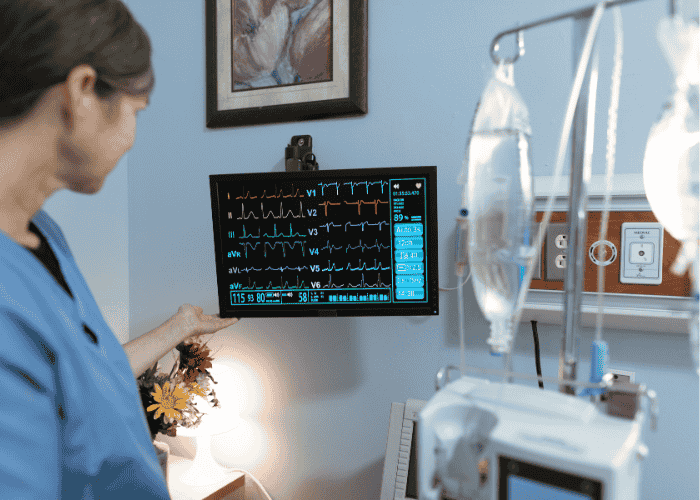
For the few days after surgery, the neurosurgeon or a brain surgery specialist is in charge of the team that takes care of the patient. This team usually works in a part of the hospital called the Neuro-Intensive Care Unit. The neurosurgeon makes sure the patient is stable and doing well.
? The neurosurgeon does a lot of checks to see how the patient's brain is working. They check to see if the patient is awake and can move.
? The neurosurgeon also keeps an eye on the patient's blood pressure. This is important because high blood pressure can cause problems in the brain.
2. Clinical Management & Complication Prevention
The neurosurgeon has to prevent and manage any problems that might happen after surgery.
? The neurosurgeon helps the patient with pain and nausea. They use medicines to help the patient feel better.
? The neurosurgeon also gives the medicine to prevent seizures. This is especially important if the patient had brain surgery or was in an accident.
? The neurosurgeon checks the patient's fluids. Makes sure they have the right balance of chemicals in their body.
? The neurosurgeon takes care of the patient's wound. Make sure it is healing well.
3. Transition and Long-term Recovery
As the patient gets better, the neurosurgeon starts to focus on helping them get back to normal.
? The neurosurgeon works with a team of therapists to create a plan to help the patient recover.
? The neurosurgeon orders tests, like MRI or CT scans, to check on the patient's progress.
? The neurosurgeon teaches the patient and their family how to take care of themselves at home. The neurosurgeon gives them instructions on what they can do. Cannot do.
FAQs:
Q: What does a neurosurgeon treat?
A: In simple words, it is the duty of a neurosurgeon to treat any kind of condition, which can be an illness, an infection, or even an abnormal condition that is liked with your nervous system affecting the nerves, brain, or spinal cord.
Q: Does seeing a neurosurgeon always mean surgery?
A: No, going to a brain and spine surgeon does not mean that they will always recommend you for surgery. They look for the best treatment options available, depending on the condition and how it is affecting your body. Other than surgeries, they may also recommend medicines, neurotherapy, pain management techniques, and so on.
Q: How do I know if my back pain requires surgery?
A: Generally, you can have an idea if your back pain occurs for a long period, usually more than a year. Plus, the common and non-surgical methods of treatment, like exercises, the use of painkillers, and other medicines, have failed.
Q: Is neurosurgery safe?
A: Yes, even though most neurosurgical procedures are complicated, with the recent advancements, neurosurgeries are safe, and patients do recover completely from severe conditions.
Q: When should I seek emergency care?
A: Take immediate help if you see symptoms like severe migraine or headache, signs of stroke, sudden and abrupt vision changes, and, of course, in any kind of brain or spinal cord injuries.




























_12Jan26_122224.png "How NICUs Save Premature and Sick Babies?")