Modern Obstetrics and Gynaecology Services for Safe Motherhood and Women’s Wellness
Modern Obstetrics and Gynaecology Services are really important for safe motherhood and women’s wellness. Modern Obstetrics and Gynaecology, or OB-GYN for short, is a specialty that combines the care of women during pregnancy and childbirth, which is called Obstetrics, with the diagnosis and treatment of diseases of the female reproductive organs, which is called Gynecology. In 2026, Modern Obstetrics and Gynaecology is increasingly defined by advancements such as AI-assisted fetal monitoring, robotic-assisted surgeries, and personalized medicine.
Services that come under Modern Obstetrics and Gynaecology
Modern Obstetrics and Gynaecology in 2026 is a medical field that covers the entire spectrum of women’s health from adolescence through the post-menopausal years. These services are broadly categorized into pregnancy-related care, which includes Obstetrics and reproductive organ health, which is Gynaecology.
There are services that Modern Obstetrics and Gynaecology provides.
1. Obstetric Services, which include Pregnancy and Childbirth, focus on the journey from preconception to the postpartum period.
Some of the services under Obstetric Services are:
• Prenatal Care, which includes checkups, nutritional counselling, and monitoring of both mother and fetus to detect conditions like gestational diabetes and preeclampsia.
• High-Risk Pregnancy Management, which provides care for complex conditions, including multiple gestations, preterm labour, and maternal comorbidities.
• Delivery, which supports various childbirth methods, including natural birth, painless delivery, and elective or emergency Cesarean sections.
• Maternal-Fetal Medicine, which includes diagnostics such as 4D ultrasound, genetic testing, and non-invasive prenatal testing.
• Postpartum Care, which includes physical recovery monitoring, lactation support, and screening for postpartum depression or anxiety.
2. Gynaecological Services, which include Reproductive Health, address the diagnosis and treatment of conditions affecting the reproductive system.
Some of the services under Gynaecological Services are:
• Preventive Care, which includes well-woman exams, cervical cancer screenings, HPV vaccinations, and breast health exams.
• Reproductive. Infertility, which evaluates and treats conception challenges using IVF, IUI, and egg or sperm cryopreservation.
• Hormonal Health, which manages disorders such as PCOS, endometriosis, and irregular or heavy bleeding.
• Urogynaecology, which provides care for pelvic floor disorders, including urinary incontinence and pelvic organ prolapse.
• Menopause Management, which includes non-hormonal therapies to alleviate symptoms like hot flashes and bone density loss.
• Family Planning, which includes counseling and permanent sterilization procedures.
3. Advanced Surgical Interventions prioritize invasive techniques to ensure faster recovery and less pain.
Some of the services under Advanced Surgical Interventions are:
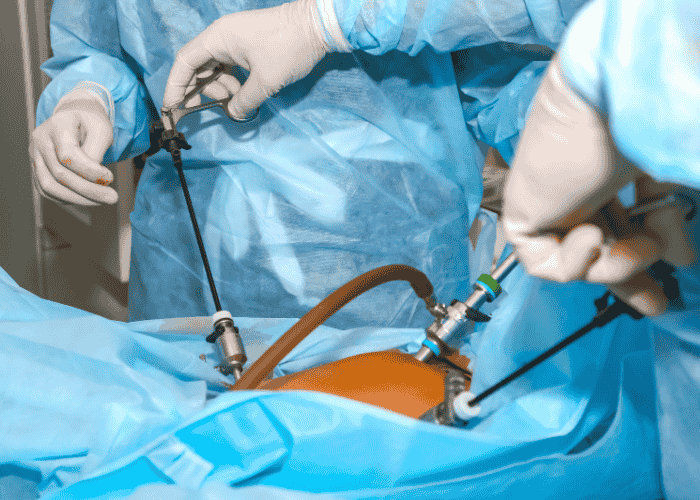
• Laparoscopic and Robotic Surgery, which are used for procedures like hysterectomy, myomectomy, and ovarian cystectomy.
• Hysteroscopic Procedures, which are diagnostic and operative procedures for polyps, adhesions, or fibroids inside the uterus.
• Cosmetic Gynaecology, which includes functional procedures like labiaplasty or vaginoplasty.
4. Emerging Technologies in 2026 include:
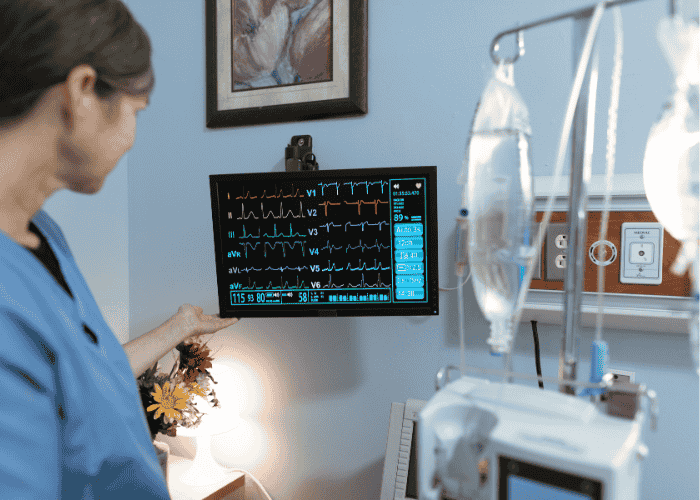
• AI-Assisted Care, which uses intelligence for real-time fetal heart monitoring and early breast cancer detection.
• Digital Health, which includes prenatal tracking through wearable devices and tele-obstetrics platforms.
What is Anenatal care and why is it important?
Antenatal care, also known as prenatal care, is the specialized healthcare provided by professionals for women’s healthcare services from the start of her pregnancy until childbirth. According to the World Health Organization, the primary goal of antenatal care is to ensure a positive pregnancy experience for the mother and a healthy start for the baby.
Antenatal care is important because it:
• Allows for detection of risks, such as preeclampsia or gestational diabetes.
• Reduces mortality rates for both the mother and the baby.
• Ensures the development of the baby.
• Provides emotional support to the mother.
• Helps parents prepare for birth. Make informed decisions about delivery.
The World Health Organization recommends that a woman with a low-risk pregnancy should have at least eight antenatal contacts to ensure optimal care.
What does Antenatal care include?
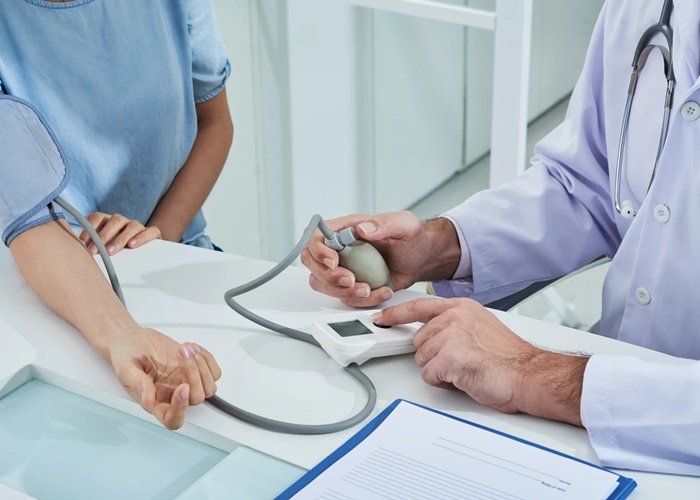
• monitoring of the mother's blood pressure, weight, and urine.
• Fetal assessments using ultrasound scans.
• Diagnostics, such as blood tests to detect conditions like anaemia or infections.
• Preventive interventions, such as vaccinations and supplements.
• Counseling on nutrition, exercise, and preparing for labour and newborn care.
What is a high-risk pregnancy? Mitigation options with advanced gynecological treatment options
A high-risk pregnancy involves increased health risks for the person, the fetus, or both.
While the term can be alarming, it primarily signals that extra medical attention and closer monitoring are required to ensure an outcome.
Key risk factors for a high-risk pregnancy include:
• Maternal age, being older than 18 or older than 35.
• Pre-existing conditions, such as blood pressure, diabetes, or autoimmune disorders.
• Pregnancy-related conditions, such as diabetes or preeclampsia.
• Multiple gestation, carrying twins, triplets, or more fetuses.
• Pregnancy history, such as preterm labor, miscarriages, or previous C-sections.
• Fetal issues, such as genetic abnormalities.
In a high-risk pregnancy, the line between obstetrics and gynecology blurs.
While an obstetrician manages the pregnancy, they must also provide gynecological care to manage underlying reproductive or anatomical issues.
Integrated gynecological care during a high-risk pregnancy may include:
• Management of issues such as uterine fibroids or a septate uterus.
• Cervical health, including procedures like cerclage.
• Infection control, including screening and treatment for gynecological infections.
• Endometriosis and PCOS support, including hormonal monitoring and management.
Advanced fetal medicine and neonatology in obstetrics and gynecology
Advanced fetal medicine and neonatology in obstetrics and gynecology represent the high-tech bridge between pregnancy and infancy.
Fetal medicine treats the fetus as a patient while in the womb, while neonatology takes over the moment a high-risk infant is born.
Some of the services under fetal medicine include:
• Non-invasive prenatal testing, which screens for chromosomal issues like Down syndrome.
• Fetal. Surgery, which includes real-time interventions like fetoscopic laser surgery.
• Advanced imaging, which uses 3D/4D Doppler ultrasounds and fetal MRI to evaluate heart defects or brain development.
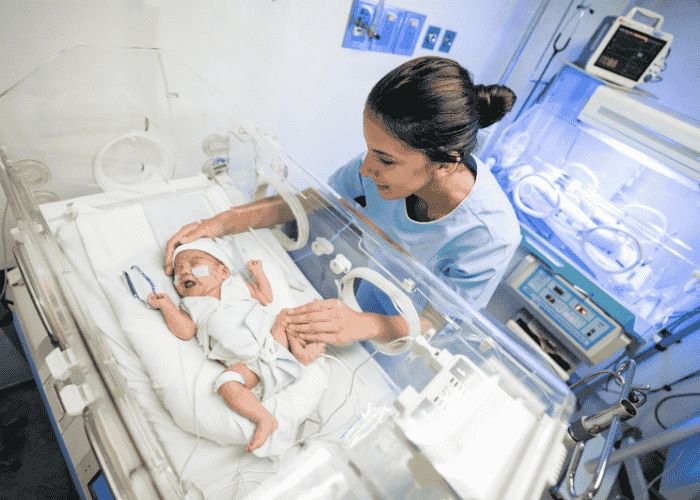
Modern Neonatology care
Modern neonatology has evolved to save babies born as early as 23-24 weeks, which is considered extreme prematurity. Doctors will give you different types of safe motherhood care at this time.
Some of the services under neonatology include:
• Level III and IV NICUs, which are specialized intensive care units equipped with high-frequency ventilators and cooling therapy.
• Non-invasive ventilation, which includes technologies like CPAP to help premature lungs breathe without the trauma of intubation.
• Total parenteral nutrition, which is mixed intravenous nutrition for babies whose digestive systems are not ready for milk.
Advanced infertility treatment options for women
Advanced infertility treatment options in the field of obstetrics have moved beyond IVF, incorporating artificial intelligence and genomics to improve success rates for couples who have faced repeated failures.
Some of the advanced reproductive health services and infertility treatment include:
• AI-driven embryo selection, which uses time-lapse imaging to predict which embryo has the highest implantation potential.
• Advanced genetic screening, which includes technologies, like generation sequencing, to evaluate the genetic health of embryos.
• PGT-A and PGT-M are tests that check embryos for problems with their chromosomes or for diseases that are passed down from parents like Thalassemia before they are transferred to the womb.
• Non-Invasive PGT is a way of testing that was introduced in 2026. It checks the fluid in which the embryo grows. There is no need to take a sample from the embryo itself.
New Techniques for IVF for women's infertility cure
• ICSI and PICSI are methods where the sperm is chosen based on how it can bind to a certain protein. This helps when the man has problems with his sperm.
• Platelet-Rich Plasma Therapy is used for women who have a lining in their womb or who do not have many eggs left. The doctor takes some of the woman's blood, spins it around, and injects the good stuff back into her womb or ovaries to help her get pregnant.
Getting the Womb and Hormones Ready
• ERA is a test that checks when the womb is ready for the embryo to be transferred. It tells the doctor the time when the embryo should be put in.
• Laparoscopic Reconstruction is a kind of surgery that uses a robot to help the doctor. It is used to remove things like endometriosis or fibroids that can stop people from getting pregnant
Diagnostic Tests for Womens Health under Obstetrics
Nowadays, doctors have new tools to help them understand what is going on with a woman's body. These tools are very precise. Can look at the tiny parts of our bodies. They are used for two things: to keep women healthy and to check on the baby when a woman is pregnant.
1. Tests During Pregnancy
• NIPT is a blood test that the mother-to-be can take. It checks the baby's DNA to see if there are any problems like Down syndrome. This test can be taken as early as 10 weeks into the pregnancy.
• Advanced Ultrasound Imaging is a way of taking pictures of the baby inside the womb.
• NT Scan is taken between 11 and 13 weeks. It measures the fluid behind the baby's neck to check for problems.
• Anomaly Scan is taken between 18 and 22 weeks. It is a picture of the baby to check for any problems.
• Fetal Echo is a kind of ultrasound that checks the babys heart.
• Amniocentesis and CVS are tests where the doctor takes a sample of fluid from around the baby or from the placenta. These tests can tell us for sure if there are any problems with the baby's genes.
2. Tests for Women's Health
• Cervical Cancer Screening is a way to check if a woman has cancer.
• HPV DNA Testing is a test that checks for the virus that can cause cancer. It is better than the Pap smear test.
• Colposcopy is a test where the doctor uses a tool to look closely at the cervix. If the screening test is not normal, the doctor might take a sample of tissue to check for problems.
• Endoscopic Diagnostics is a way of looking inside the body with a camera.
• Hysteroscopy is when the doctor puts a camera into the womb to look for problems like polyps or fibroids.
• Diagnostic Laparoscopy is when the doctor puts a camera into the belly to look at the organs in the pelvic area. This can help diagnose problems like endometriosis.
• Hormonal and Fertility Panels are blood tests that check for problems with hormones. If a woman can get pregnant. They check for things like PCOS, how many eggs a woman has left, and if her thyroid is working properly.



























_12Jan26_122224.png "How NICUs Save Premature and Sick Babies?")