Advancements in ICU Technology and Critical Care Medicine
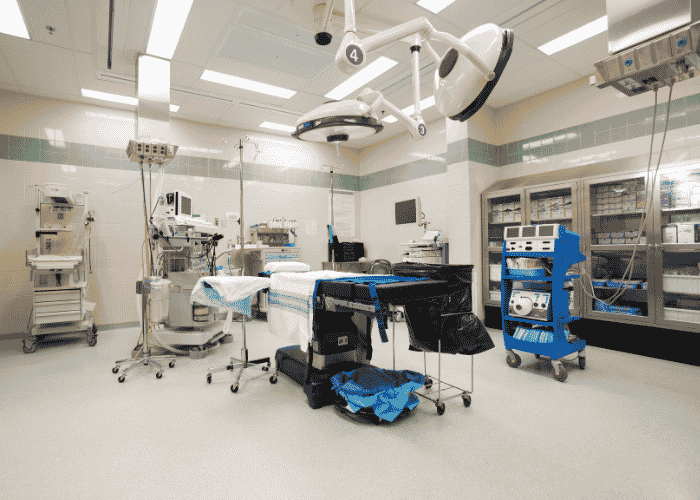
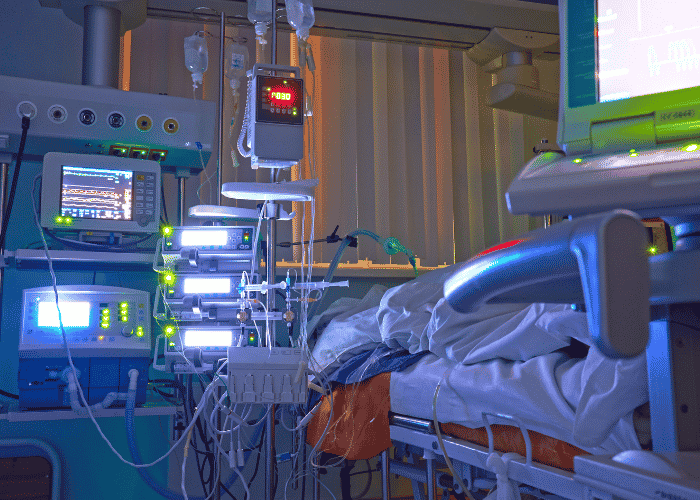
The Intensive Care Medicine field is changing a lot. Modern ICU equipment used to be about reacting to needs at the bedside. Now it's becoming more proactive and using data to make decisions.
The Intensive Care Medicine field is really changing with all this technology. It is about using data and machines to help doctors make better decisions.
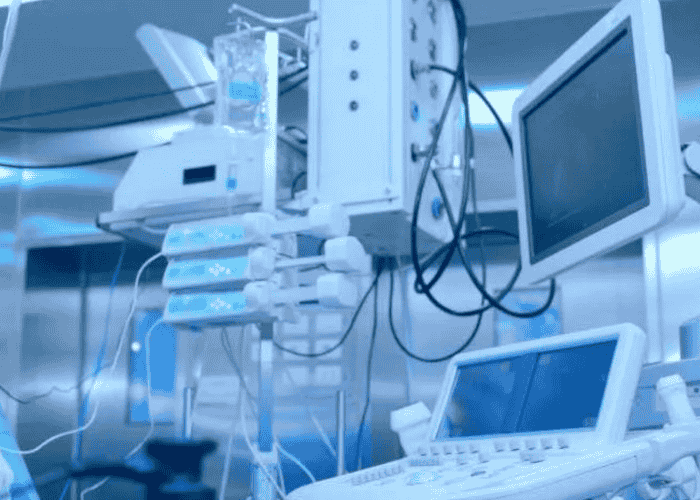
A list of advanced technologies in the ICU room
Predictive Alert Systems
These are really helpful because they use software to look at how patients are doing right now and can tell if they might get very sick with things like sepsis or have trouble breathing hours before doctors and nurses see any symptoms.
Ambient AI Scribes
These are like helpers that use microphones on the ceiling and special tools to understand what doctors and nurses are talking about, and then they automatically put this information into the patients' Electronic Health Records, which means there is less paperwork for the doctors and nurses to do.
Computer Vision Sensors
They use sensors to watch how patients move. This helps doctors find out if patients are getting what is called ICU Delirium. These sensors also check how well patients can move around. They send out warnings if a patient is at risk of falling.
Closed-Loop Ventilators
They look at how the patients lungs are working and use that information to change the oxygen levels and pressure settings. These advanced life support systems keeps the patient safe.
Smart Infusion Pumps
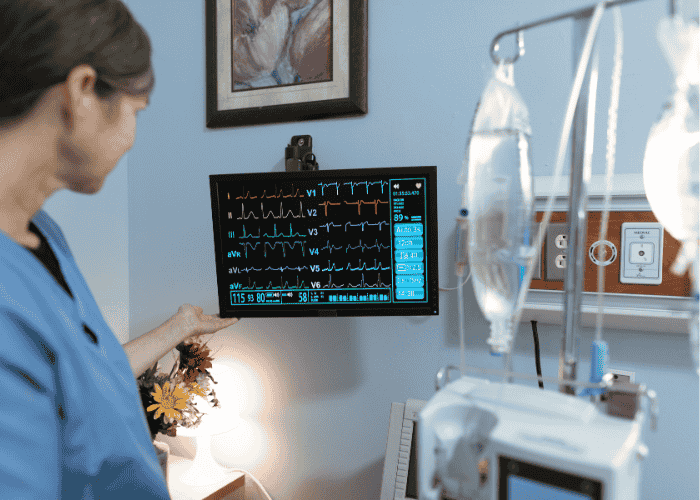
These are really cool because they can talk to the patients' lines. This means they can give the patient the amount of life-saving medication like vasopressors every single second.
Extracorporeal Membrane Oxygenation
Known as ECMO for short, just got an upgrade to version 2.0. These new machines are a lot smaller and easier to use than the old ones. They can bypass the lungs and heart, which is a big help when these organs are not working properly.
What is critical care medicine?
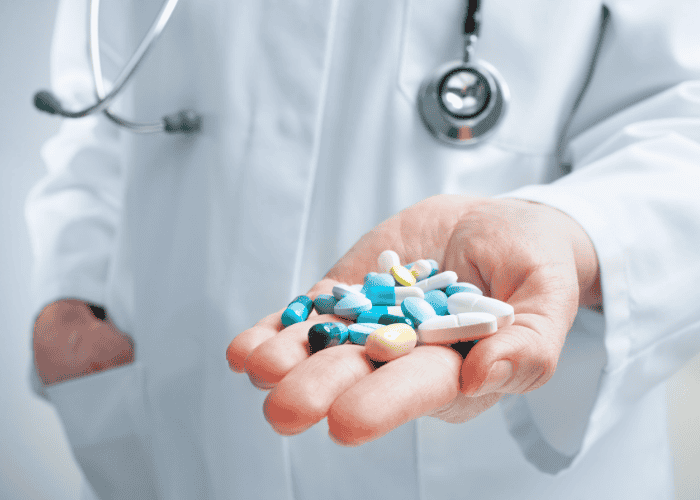
Types of advanced critical care medicines used in hospitals. Advanced critical care medicines as they are targeted medicines acting on specific biological pathways.
Here is a list of some new advanced critical care medicines-
Novel sepsis and immunodilators like cytokine antagonists, selective IL-6-trans signaling inhibitors
Advanced vasoactive agents like Angiotensin, Inodilators, methylene blue
Next-gen sedation like Remimazolam, Dexmedetomidine,
Anticoagulants and reversal agents like Andexanet Alfa, Direct thrombin inhibitors
Targeted respiratory therapies, such as inhaled nitric oxide and surfactant therapy
Recent Advancements in Critical Care Medicine in the Healthcare Industry
Here are some recent advancements in the field of critical care medicine in the healthcare industry-
Ambient AI Scribing
It makes their job easier by turning conversations at the bedside into structured notes and discharge summaries. This way, doctors can focus easily have patient monitoring in ICU.
Smart Exoskeletons
They have these machines that help people get better. These machines are like helpers that can tell how hard a person is trying to move. They can make it easier or harder for the person to move depending on what the person needs.
Organ Regeneration and Bioprinting
Doctors are getting closer to being able to make body parts, like kidneys or bladders, using a person's own cells. They can use machines to print out new tissue that is just for that person.
Benefits of having advanced ICU technology and critical care medicine
The primary benefits of emergency and critical care improvements include:
Predictive lead time
The doctors can now see what might happen to a patient before it actually happens. This is called "Lead Time". It is like getting a warning that something bad might happen to the patient.
Fewer chances of complications
Using machines to watch the patients closely can also help. It means the patients do not have to be on machines that help them breathe for long. The patients also do not have to take many strong medicines that can be bad for them.
Instant results
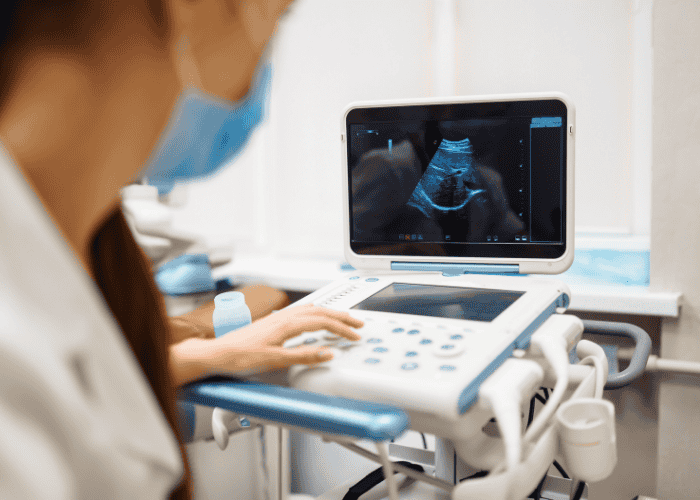
Doctors can get results with Point-of-Care Testing and AI-enhanced ultrasound. These tools help doctors diagnose problems like bleeding or heart failure really fast.
Precision antibiotics use
Precision is also important when it comes to antibiotics. Doctors can use a test to figure out exactly what kind of bacterial infection someone has. This test is called genomic sequencing.
Risk-free simulators
Doctors can also use something called a Digital Twin. This is like a copy of the patient. Doctors can use the Digital Twin to see how a certain medicine or surgery will affect the patient. They can do all of this before they even touch the patient.
Dosing accuracy
Doctors also use machines to give patients their medicine. These machines are called infusion systems. They make sure the patient gets the right amount of medicine. This is important because some medicines are very strong.












_12Jan26_122224.png "How NICUs Save Premature and Sick Babies?")