The Importance of Ophthalmology in Protecting Your Vision
It is commonly quoted that the eyes are the windows to the soul. People tend to believe that if their vision is good enough to enable them to read a sign on the street or a text message, their eyes must be completely healthy. Sadly, such a mindset may prove highly misleading, since many ocular problems tend to manifest without any initial signs. Eye health and vision care encompass a deeper science, much beyond this.
It is here that ophthalmology – the field of medicine and surgery that focuses on the study and treatment of eye-related disorders and diseases – comes into play. Safeguarding your vision is about more than just getting your eyes checked periodically to get yourself new eyeglasses; it is about having the medical knowledge that only ophthalmology can offer.
Defining Ophthalmology: More Than Just an Eyeglass Prescription
It is therefore necessary for one to know the role that an ophthalmologist plays to know the significance of ophthalmology. Eye care is usually divided into three ‘Os’, which include Ophthalmologists, Optometrists, and Opticians.
• Ophthalmologists: These are physicians who may be either MDs or DOs who must complete a college education followed by medical school for four years, then take one year of internship, and finally, three years of an intense hospital-based residency program in ophthalmology. Several of them further train themselves for another one to two years in specialty fields such as retinas, corneas, glaucoma, neuro-ophthalmology, or children’s eye diseases.
• Optometrists: They are known as Doctors of Optometry (ODs), who have done their four-year education in optometry after completing their college education. Their work revolves around their vision health. They check out eye vision issue prescriptions for vision correction, but remember, they are not surgeons.
• Opticians: They are the technicians responsible for designing, verifying, and fitting various eye devices such as eyeglasses lenses, frames, and contact lenses for eyesight correction.
Being specialists in medicine, ophthalmologists view eyes as parts of the body rather than mere optical devices. They can deal with all the problems, starting from refractive errors up to microsurgical operations in the eye area, due to their highly professional education. This is why they are considered to be the absolute authorities on eye care.
The Silent Thieves of Sight: Asymptomatic Eye Diseases
One of the strongest arguments supporting the importance of ophthalmology stems from the very nature of eye disorders. Some of the top reasons behind irreversible blindness around the world are "silent" in nature and do not cause any pain, redness, or any abrupt change in vision at the early stages.
Glaucoma: The Sneaky Pressure Builder
Sometimes described as the "silent thief of sight," glaucoma is a category of eye diseases that leads to optic nerve damage because this nerve forms the connection between the brain and the eye. High intraocular pressure, which is abnormal pressure in the eye, is responsible for this kind of damage.
Diabetic Retinopathy: The Cost of Metabolic Stress
The blood vessels that feed the retina in persons with diabetes are very prone to injury caused by chronic high blood sugar levels.
During the early phase of this condition (non-proliferative retinopathy), the blood vessels can start leaking fluids or blood into the retina. This will cause slight swelling, which the individual might not be aware of. In the later stages, when this progresses to become proliferative retinopathy, it can lead to the growth of weak blood vessels, which can lead to massive bleeding. However, these can be contained with advanced eye treatment if you are under the guidance of an ophthalmologist.
Age-Related Macular Degeneration (AMD)
Age-related macular degeneration (AMD) is one of the main reasons for vision loss in individuals above the age of 50 years.
There are two types of AMD: one is the “dry” form, in which there is thinning of the macula layer, while in the other type, called the “wet” form, there are growths of blood vessels under the macula layer that can lead to sudden, severe central vision loss. Physicians can spot symptoms of AMD (yellow deposits on the eye) even before there is any distortion in the field of vision.
The Eye as a Diagnostic Mirror for Systemic Health
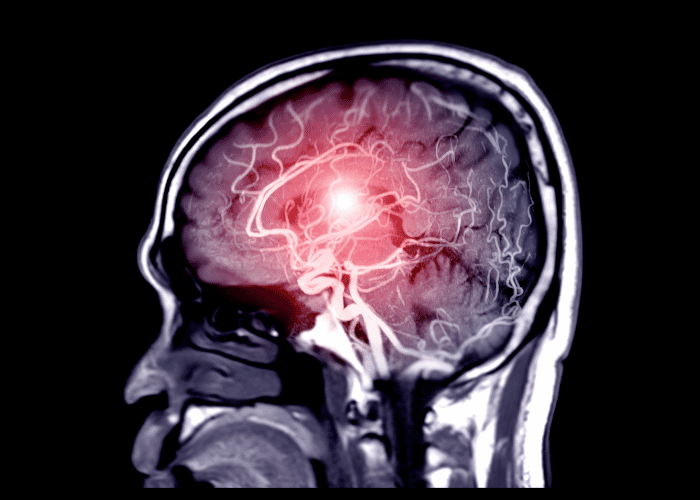
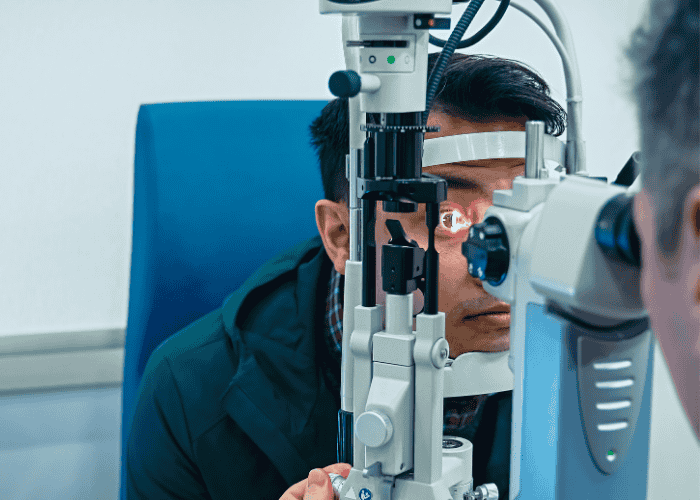
Ophthalmology is special in that it is the only part of the human body in which doctors can observe alive blood vessels, nerves, and connective tissues without any invasive procedures. This means that an ophthalmic examination may help to detect various diseases of other organs at an early stage.
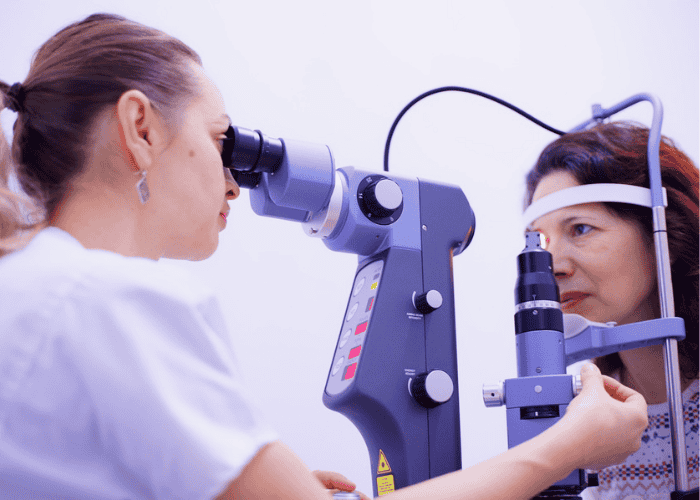
The following conditions could be detected during a dilated eye exam:
• Hypertension
• High Cholesterol.
• Autoimmune Disorders
• Neurological Problems
Through the protection of your eyes, ophthalmologists help save lives through their diagnosis and treatment of underlying diseases.
Cutting-Edge Innovations: The Modern Frontier of Vision Preservation
There has been a revolution in technology in ophthalmology during the last few decades. Currently, ophthalmology is one of the most technologically advanced fields in medicine, providing solutions that had once been considered out of reach by many people. Here are some of the modern ophthalmology care these days-
Premium Intracapsular Cataract Surgery
A cataract refers to the natural clouding of the crystalline lens of the eye due to age-related changes. Back in the past, such an operation was associated with long hospitalizations and a high level of danger for the patient’s eyesight. Modern techniques involve the use of ultrasound or lasers, which allow breaking down the cataract under a tiny incision measuring less than 3 millimeters. It will be removed and replaced by an artificial lens, which can correct presbyopia and astigmatism.
Intraocular Anti-VEGF Injections
The arrival of anti-VEGF medication has changed the outlook for patients with wet AMD and diabetic macular edema completely. This new type of medication is injected into the patient’s eye through a very small, almost pain-free needle. The drug stops the proliferation of the abnormal blood vessels and ensures that any leaks are sealed, thus converting an inevitable loss of sight into a manageable disease.
Proactive Eye Care: When to See an Ophthalmologist
Protecting your eyesight is a joint effort between you and your eye care provider. Although every person must have regular visual exams, certain situations necessitate an ophthalmologist consultation:
• Age: The probability of developing eye problems increases dramatically after age 40. The American Academy of Ophthalmology suggests that every adult should undergo their first comprehensive eye exam by age 40.
• Family History: Glaucoma, macular degeneration, and other serious eye disorders have very clear genetic predispositions. If anyone in your family suffers from any of them, you should be more cautious.
• Chronic Conditions: If you have diabetes, hypertension, or any form of autoimmune disorder, it is wise to visit the eye doctor every year.
Unexpected Symptoms: In the event that you have unexpected symptoms such as floaters or flashes of light (which could be a sign of a detached retina), a curtain-like effect across your vision, eye pain, or extreme redness, do not wait for a regular appointment but go straight away.
Conclusion: Investing in Your Vision for Life
Losing one's eyesight has many repercussions. It influences how well you can drive, read, work, pursue a hobby, and live independently. The good news is that 80 percent of all cases of blindness can be either prevented or corrected if detected early.
Ophthalmology plays an integral part in diagnosing and treating diseases because it brings together the best skills in comprehensive diagnosis and highly accurate surgery. Through peering beyond the surface of the eye, ophthalmologists detect silent diseases and apply pioneering techniques for treatment.
Do not take your eyesight for granted or think that being symptom-free means that everything is okay. Book yourself a thorough and dilated eye examination with an ophthalmologist. It is a small price to pay for ensuring good eyesight throughout your life.
FAQs:
Q: Why is ophthalmology important for eye health?
A: The science of ophthalmology is the ultimate line of defense for our eye health. Its depth goes far beyond just checking anyone’s vision.
Q: What conditions are treated in ophthalmology?
A: Ophthalmologists or eye specialists treat many kinds of eye conditions, like-
Glaucoma
Age-related macular degeneration
Diabetic neuropathy
Cataracts
Retinal damage
Q: What are the common signs of eye problems?
A: Some of the common symptoms of having eye problems are-
Blur vision
Oozing too much water from the eyes
Redness
Inflammation
Swelling
Blur vision
Itching
Q: What is the difference between an ophthalmologist and an optometrist?
A: Ophthalmologists are doctors, to be exact, who are professionals in eye examination, while also holding a license to conduct eye surgeries if needed. Optometrists, on the other hand, are specialists who can only check eye vision and suggest suitable remedies. However, they do not hold the competence or the license to carry out any kind of eye surgery.
Q: How can I protect my vision daily?
A: Protecting your eye vision requires you put priority for your eye health. You can do this by doing-
Reducing gazing time on blue screens
washing the eye daily a few times
using eye drops during the frequent weather changes
using suitable power lenses
going for eye vision tests every few months
visiting ophthalmologists at least once a year for an eye checkup



























_12Jan26_122224.png "How NICUs Save Premature and Sick Babies?")