Operation Theatre Safety Standards: What Patients Should Know Before Surgery
So you are going to have surgery. You want to know about operation theater safety standards.
The operating theatre is an important place where the doctors and nurses take care of you when you are having surgery. Operating theatre safety standards are rules that hospitals follow to make sure you are safe during surgery.
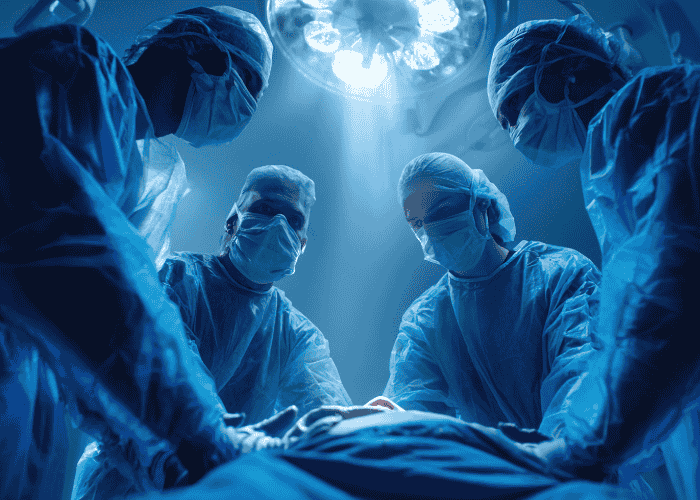
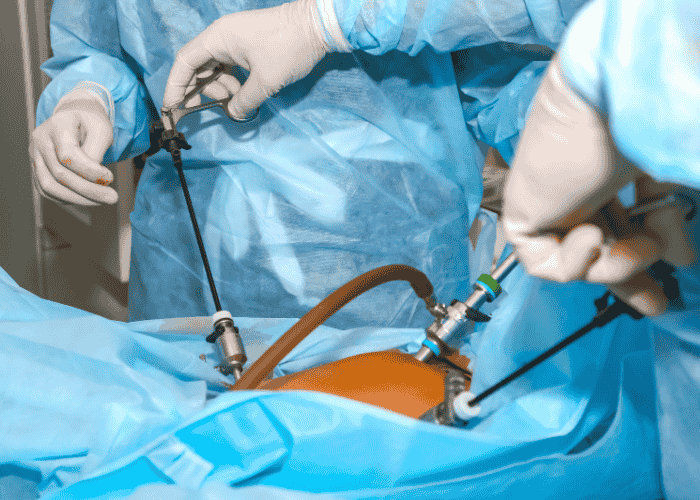
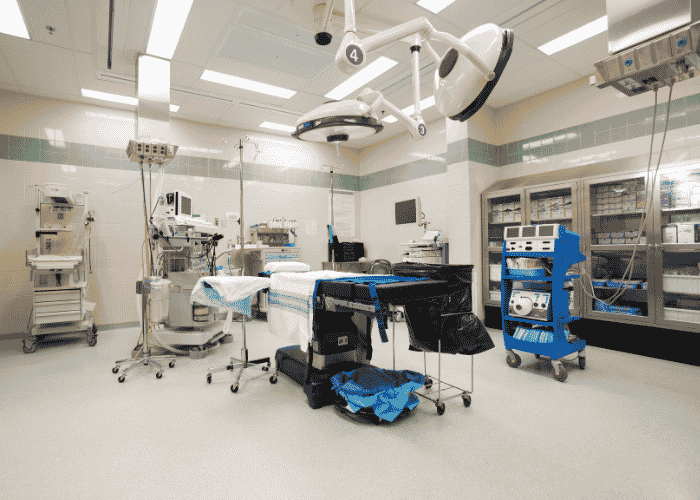
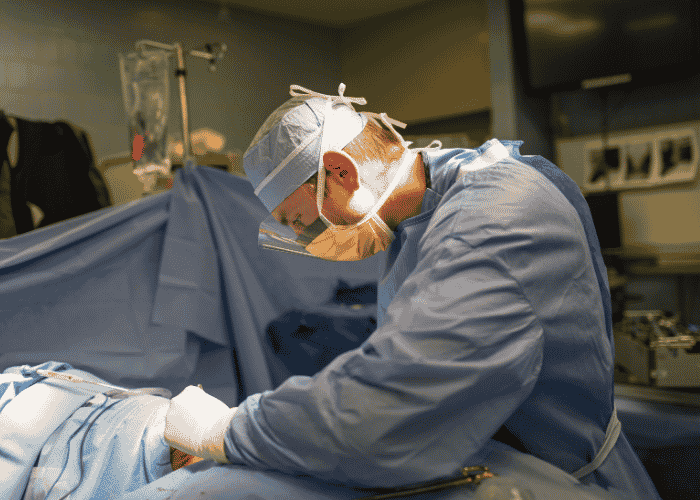
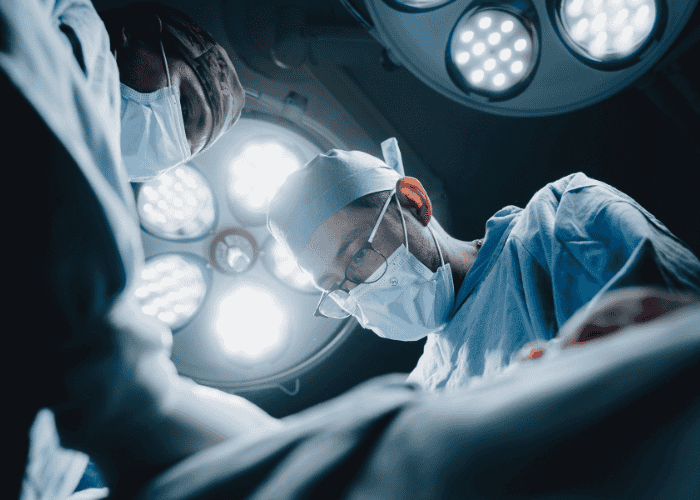
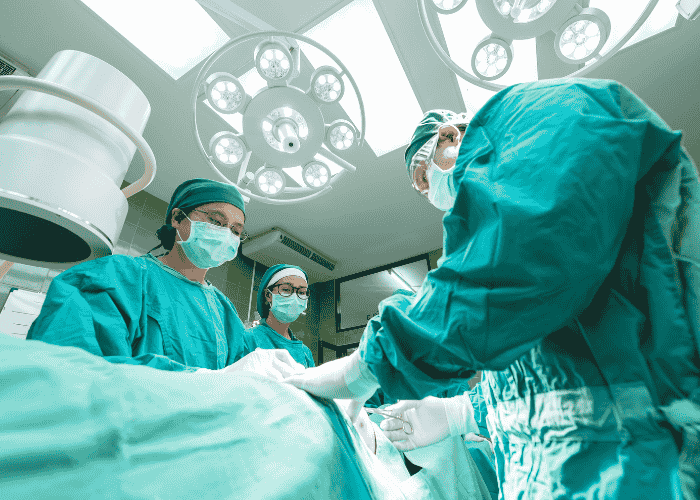
A hospital has a room called an Operating Theatre or an Operating Room where doctors do operations. This room is very clean. Everything is controlled so that patients do not get sick. The operating theatre is where surgeons perform surgery in a clean space.
Key Components & Design inside an OT
The hospital is usually split into four zones. The area where people change, the area where they get ready for surgery, the operating theatre itself, and the area where they throw away trash. This is done so that each zone is cleaner than the one before it, with the operating theatre being the cleanest of all.
Maintaining Sterile safety and climate control inside the OT
• Sterile Environment:
This place has good air filters, like the kind that are super good at keeping the air clean, and a special way of moving the air around to keep it extra clean. The Sterile Environment uses these filters. Airflow to keep the air very clean.
• Climate Control:
The temperature is normally kept between 20 and 24 degrees Celsius, with the humidity at 40 to 60 per cent. This helps to stop Climate Control microbes from growing and prevents Climate Control sparks that are caused by electricity.
• Equipment and Fire Safety:
Operating rooms have things that can be very dangerous. They have oxygen, which can make fires burn faster, and lasers or special tools that can start fires, and alcohol that can catch fire easily.
Essential Equipment inside the operating theatre
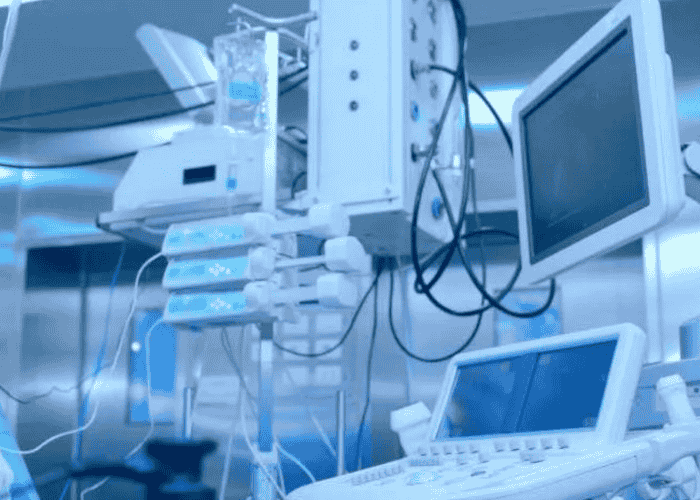
Modern OTs integrate various complex technologies to support surgery:
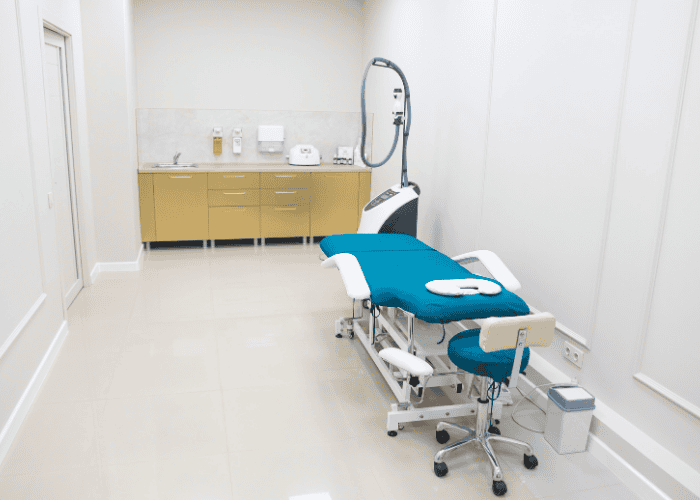
• Operating Table: Fully adjustable for height and tilt to position the patient correctly.
• Surgical Lights are really important. They are lights that do not cast shadows. These lights are very bright. Can be moved to any point in any direction you want. Surgical Lights can be adjusted to shine at any angle, which's very helpful.
• The Anesthesia Machine is an important tool. It helps the patient breathe. It also delivers anesthetic gases.
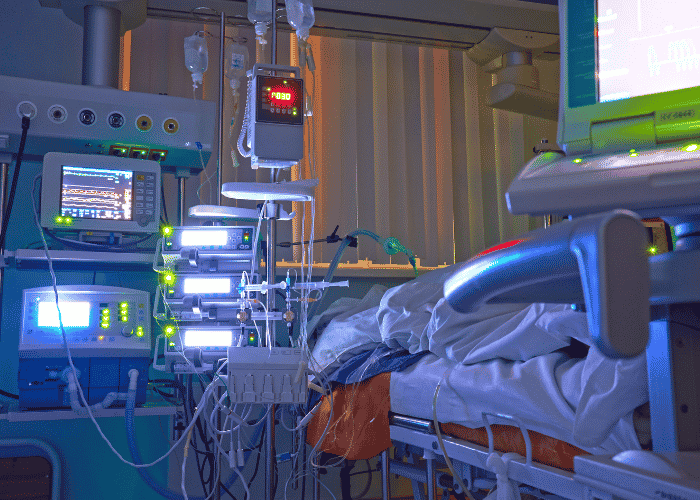
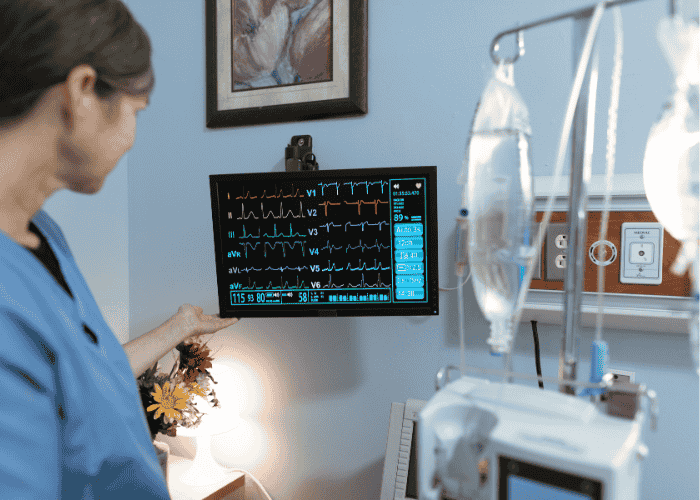
• Monitors: These monitors keep an eye on important health signs like the heart rate from an ECG, how much oxygen is in the blood, and blood pressure, at the same time. The monitors do this for Monitors in time so doctors can see what is going on with Monitors right away.
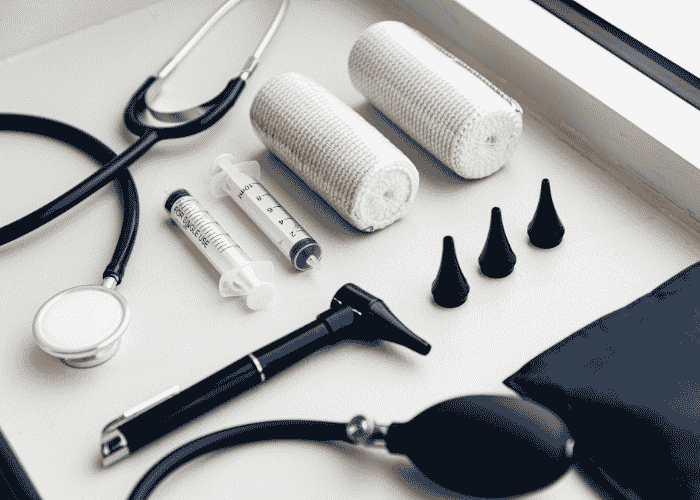
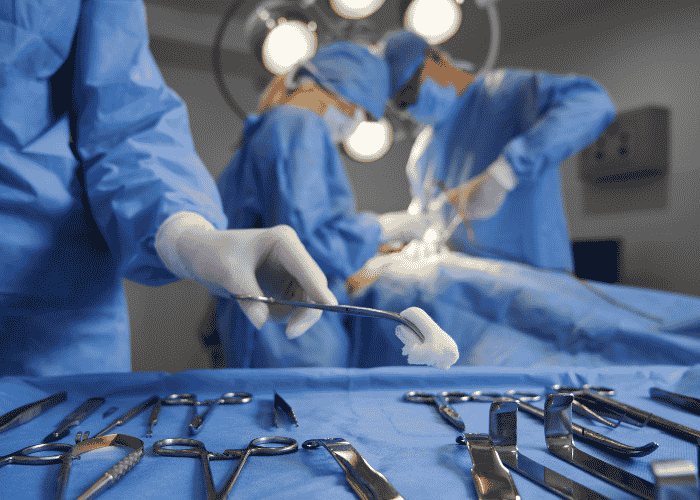
• Surgical Tools: Includes electrocautery machines for sealing blood vessels, suction apparatus, and various sterile instrument trays.
The Surgical Team is doing an operation
Surgery is a multidisciplinary effort involving highly trained professionals:
Surgeons and assistants
They are the people who do the operation, and they have to make sure the area where they are working is really clean. They have to manage the field so that the patient does not get an infection. Surgeons and assistants play an important role in the operation.
Anesthesiologists
These people administer anesthesia and monitor the patient's stability throughout the procedure.
Scrub Nurses and Circulating Nurses
The Scrub Nurses give the doctors the tools they need to do their job. They make sure everything runs smoothly outside of the area where the doctor is working with the Scrub Nurses. The Circubling Nurses and Scrub Nurses work together to help the doctors and make sure the patient is safe.
OT Technicians
Responsible for the preparation, sterilization, and maintenance of all equipment.
Importance of safety in the operating theatre
Safety in the Operating Theatre (OT) is paramount because patients are in an extremely vulnerable, often unconscious state where they cannot advocate for themselves. Adherence to strict safety protocols is the difference between a successful recovery and life-altering complications or death.
The World Health Organization Surgical Safety Checklist
This is a useful tool. It has 19 items that medical staff need to check. This checklist is really good because it helps reduce the number of people who die during surgery by 50 per cent. It also reduces problems that can happen during surgery by more than 30 per cent. The World Health Organization Surgical Safety Checklist makes sure that medical staff take three breaks to double-check everything.
Pre-surgery checklist inside the OT
Surgical teams follow structured checklists to catch errors before they reach the patient.
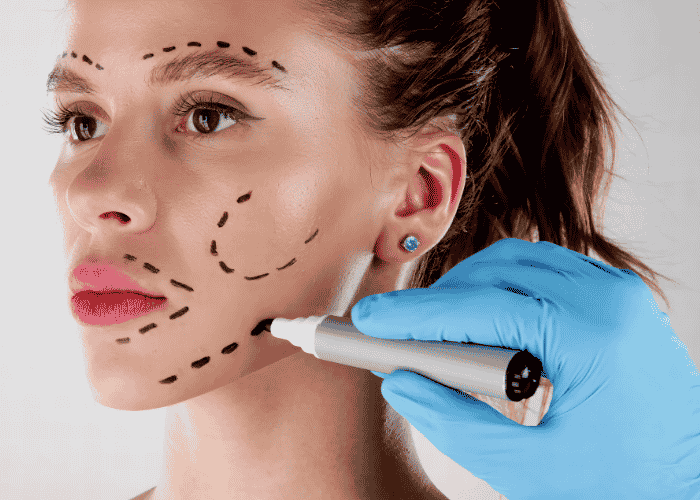
Site Marking:
The surgeon actually marks the site where the operation will be done with a marker that will not easily fade away. The surgeon does this with the Site Marking. The patient knows what is going on.
Medication Safety:
Terms adhere to the "Five R's": Right Drug, Right Route, Right Time, Right Dose, and Right Patient.
Patient Positioning:
When we get the patient in the position and use the right padding, we can stop bad things from happening to the patient.
Infection Control inside the operation room
To prevent Surgical Site Infections (SSIs), which occur in 5–20% of surgeries, OTs maintain a near-sterile environment:
• Aseptic Technique:
When the staff are getting ready for surgery, they wash their hands well and put on special clean clothes and gloves. They even wear two pairs of gloves, which is called gloving, to make sure they do not come into contact with blood, from the Aseptic Technique.
• Air Filtration:
The Air Filtration system uses High-Efficiency Particulate Air filters, also known as HEPA filters, and special airflow systems to remove a lot of the stuff from the air.
Physical & Physiological Safeguards
While the patient is unconscious, the team manages risks they cannot sense:
• Patient Positioning: Using foam pads and pillows to protect bony prominences and nerves from stretch or compression injuries (like brachial plexus palsy).
• Monitoring: We keep a close eye on vital signs like oxygen levels, blood pressure, and body temperature all the time.
We track oxygen saturation with something called Pulse Oximetry. We also watch blood pressure and core temperature. Maintaining a body temperature, which is also called normothermia, is crucial for the immune system and for healing wounds.
• Equipment Safety: Electrical tools like electrocautery (Bovie) are monitored for proper grounding to prevent accidental burns or surgical fires.
Managing distractions inside the operating room
A lot of therapists follow a rule called the "sterile cockpit" rule. This rule means that they do not allow people to talk about things that are not important, and they keep noise down when they are doing something critical with the occupational therapists.
Reducing the risk of surgical errors on the operation table
To slash the risk of surgical errors, hospitals rely on a "defense-in-depth" strategy that combines rigid checklists, advanced technology, and a culture of open communication.
1. The "Pause" Protocols
The most effective way to prevent catastrophic errors is the WHO Surgical Safety Checklist, which mandates three verbal "pauses":
• Sign In: Occurs before anesthesia to confirm the patient’s identity, the surgical site, and consent.
• Time Out: This is the important part. The whole team stops just before they make the first cut to make sure they have the patient, the right operation, and the right spot on the body. They do this to check that everything is correct for the surgery for the patient and for the operation they are about to do on the patient.
• Sign Out: Before the patient leaves, the nurse confirms the needle/sponge count is complete and that any specimens are labeled correctly.
2. Human Factors & Communication
At our place, we have a "Speak Up" Culture. Our staff learn about Crisis Resource Management, which is like a training program. This program teaches everyone, the newest nurses, to talk about problems they see.
For example, if a nurse notices something like a break in keeping things sterile, they should say something. The "Speak Up" Culture is important because it helps our nurses feel comfortable speaking up when they see a mistake, like a breach in sterility, so we can fix it and keep our patients safe.
Technological aspect inside the OT
• Surgical Counting Systems:
This is a problem in hospitals. Sometimes doctors and nurses leave things like tools inside a patient. To stop this from happening, many operating theatres use sponges that have Radio-Frequency Identification tags on them, or they use barcode scanners to keep track of every single item they use during surgery.
• Navigation:
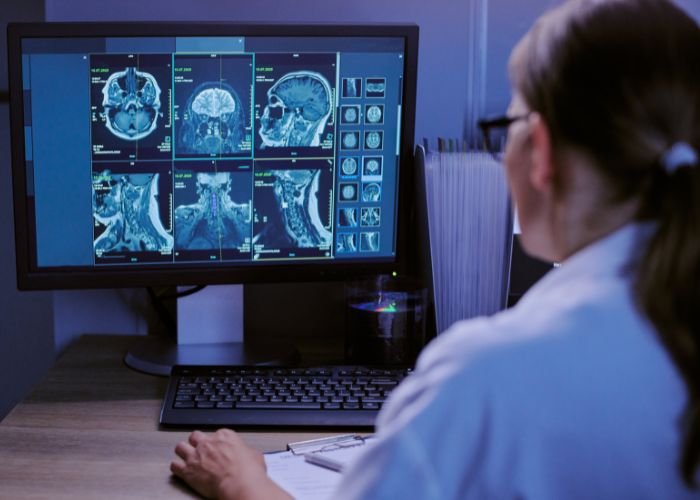
When surgeons do operations, they use tools that take pictures and help them find their way around the body in real time. This is like using a GPS. These tools help surgeons find the spot they need to work on, which reduces the risk of hurting the healthy parts of the body around it.
• Robotic Assistance:
Platforms like the Da Vinci Surgical System filter out human hand tremors and provide 3D high-definition views, making movements more accurate.
Handing over information during Change of Shifts:
When nurses and doctors change shifts, they use a tool like SBAR, which stands for Situation, Background, Assessment, and Recommendation. Fatigue Management Hospitals implement strict duty-hour limits to ensure that surgeons and nurses are mentally sharp and less prone to "lapse-of-judgment" errors.
























_12Jan26_122224.png "How NICUs Save Premature and Sick Babies?")