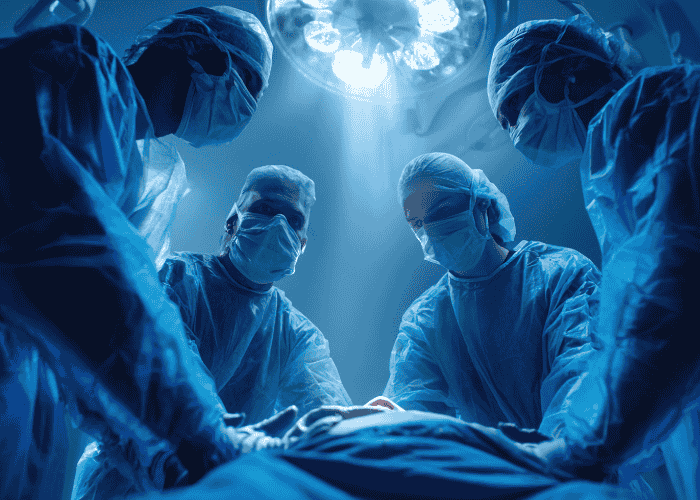
How Advanced General Surgery Improves Patient Outcomes
General surgery is a part of helping people get better. When general surgery is really good, it makes a difference for patients. Advanced general surgery is when doctors are very skilled and use the techniques. Advanced general surgery helps patients in various ways. It reduces the risk of problems after surgery. Patients are also able to leave the hospital sooner. Advanced general surgery is very important for outcomes. It helps people recover faster and feel better sooner. Advanced general surgery that is advanced is the key to improving outcomes.
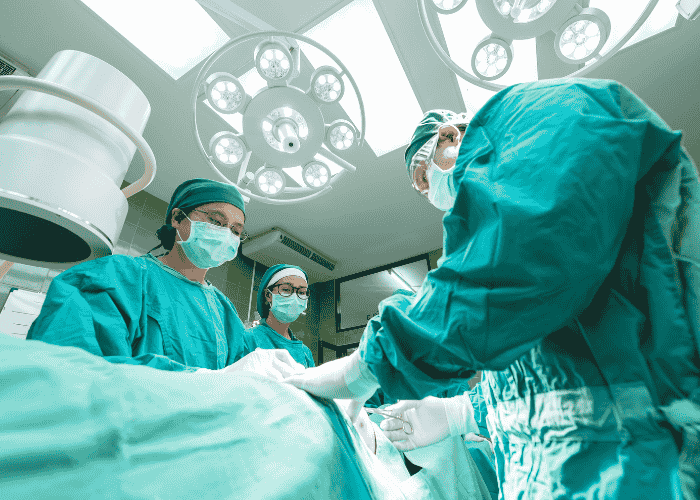
Advanced general surgery improves patient outcomes by integrating cutting-edge technology with evidence-based clinical protocols to reduce physical trauma and accelerate healing. These advancements have transformed procedures once considered high-risk into routine, safer interventions.
Use of Minimally Invasive Surgery process & Robotic Techniques- The benefits
The shift from traditional "open" surgery to minimally invasive methods is the most significant driver of improved outcomes.
Reduced Trauma:
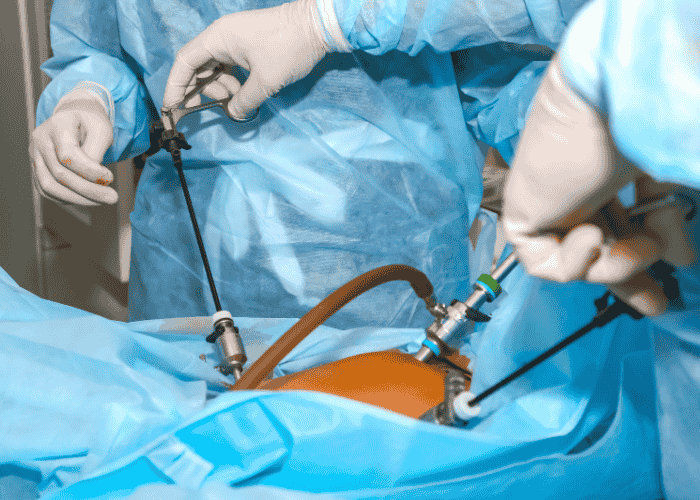
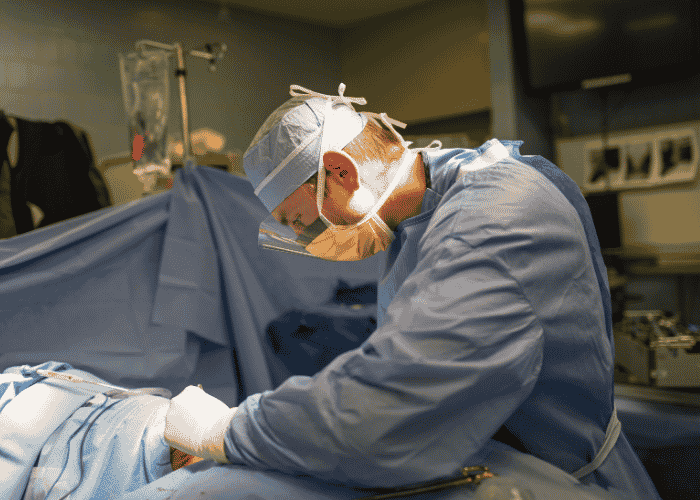
When doctors do laparoscopic surgery and robotic surgery, they make cuts, usually one to two centimeters. This means Reduced Trauma from these surgeries because they do not hurt the muscles and tissues around the cut much. The small cuts used in Reduced Trauma surgeries, like these, are really good because they help people heal faster.
Enhanced Precision:
The da Vinci Surgical System and other robotic systems give doctors a clear view of what they are doing with 3D high-definition pictures. This system also helps doctors make movements with their hands. The da Vinci Surgical System is very good at helping doctors be precise when they are operating on people.
Modern surgery techniques- The use of AI and Predictive Analytics
Artificial Intelligence is increasingly acting as a "collective surgical consciousness" to optimize safety.
Risk Prediction using AI:
Doctors use computer programs to look at a lot of information to figure out which patients are more likely to have problems during surgery. This helps them come up with a plan to help these Risk Prediction patients before they have their operation. The computer programs help with Risk Prediction by looking at a lot of data. AI-assisted complex cases have seen an average reduction of 30 minutes in surgical time.
Help When You Need It:
The Intraoperative AI system can find mistakes or things that are not right during an operation. This happens away, so it can lower the number of mistakes that happen during surgery by about 18%. The Intraoperative AI system is really good at helping doctors and nurses during operations, and the Intraoperative AI system makes a difference.
The use of 3-D printing and image-guided navigation techniques
Use of Digital Twins
Surgeons can make a copy of a patient's body parts to practice and plan difficult operations like liver removal before they even cut the patient open. They use Digital Twins to get ready for these surgeries, like liver removal, so they are better prepared. This way, surgeons can use Digital Twins to simulate what they will do during the liver removal surgery.
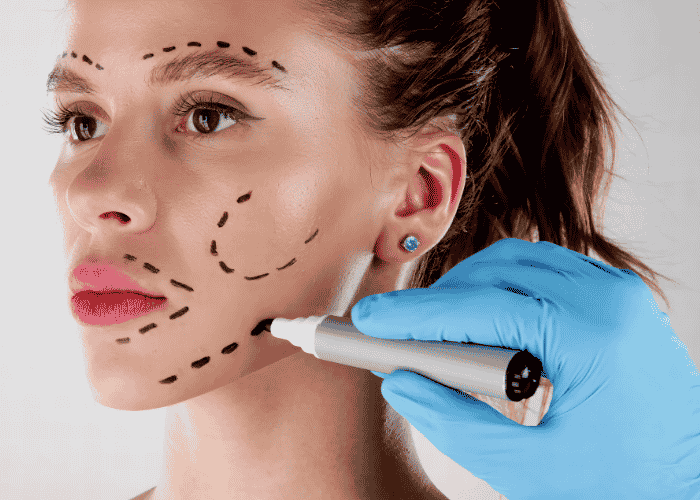
3D Printing is really useful for making customized implants that are specific to each patient. These customized implants and surgical guides are helpful in surgeries, especially for the bones and the face.
They make sure that everything fits perfectly, which reduces the time the patient has to spend in the operating room. This is especially important for craniofacial surgeries, where 3D Printing can make a big difference. 3D Printing helps doctors get it right the first time, which is great, for the patients who are getting these implants and surgical guides.
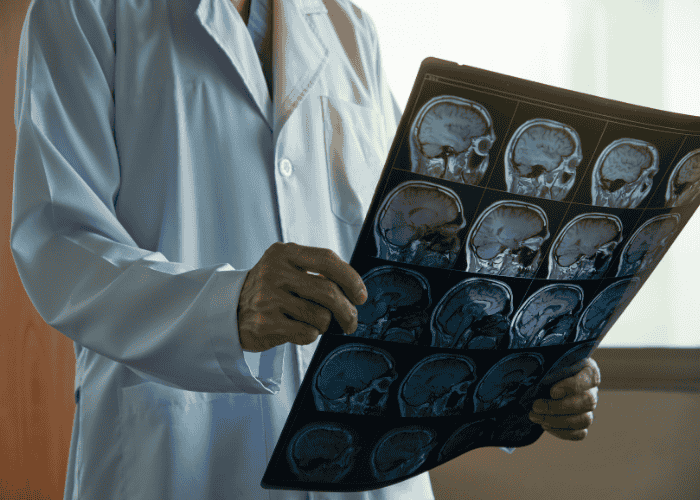
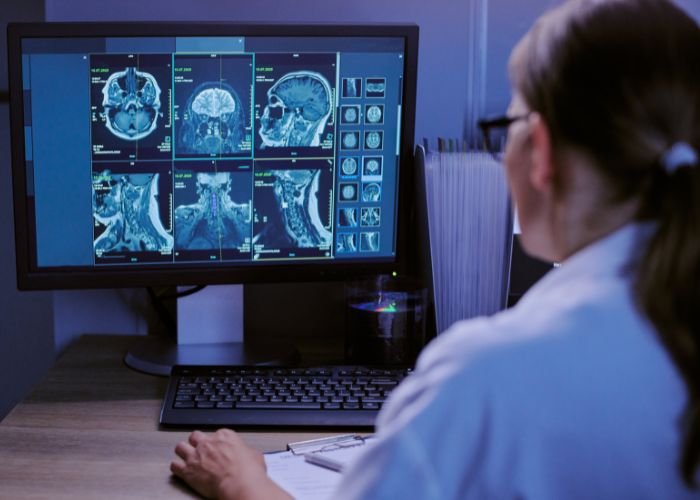
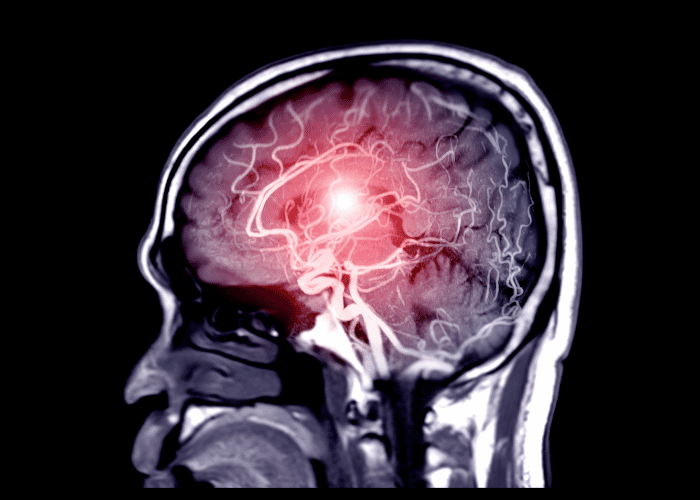
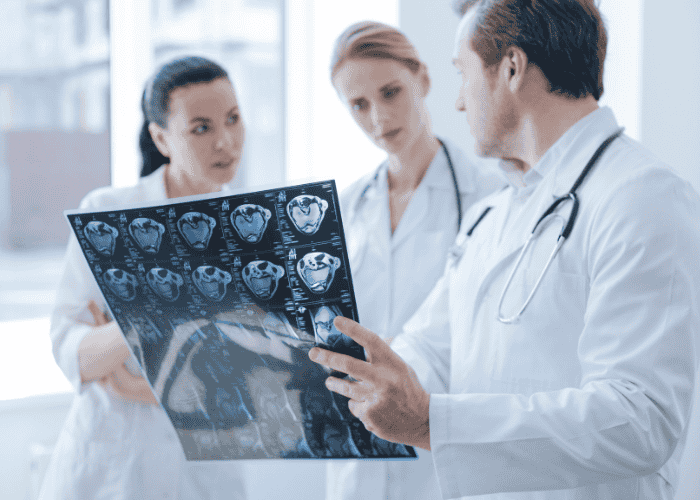
Real-time MRI and CT overlays during surgery allow for more precise tumor removal while preserving healthy organs.















_12Jan26_122224.png "How NICUs Save Premature and Sick Babies?")