Why Regular Dental Checkups Are Essential for Oral Health
Why Regular Dental Checkups Are Essential for Oral Health
What does oral health make you picture in your mind? Well, for most people, it is their teeth gleaming, sparkling white while smiling, the freshness of their breath, and being without that annoying ache in their tooth. Since this is how people view oral hygiene, it is considered an occasional visit that one should do if they have any visible problems.
Nevertheless, the mouth is a living ecosystem that acts as the physical entrance into the rest of the body. The importance of dental checkups for anyone, regardless of their age, sex, or health conditions, is critical, and this is what we will discuss in today’s blog post.
Catching the Silent Destroyers: Tooth Decay and Cavities
The fundamental factor for keeping consistent appointments with the dentist is the diagnosis of dental cavities. Dental cavities result from the formation of plaque, which is a clear layer of bacteria formed on teeth all the time. The consumption of food and beverages that contain sugar will cause bacteria to produce acids that will dissolve the teeth’s enamel layer.
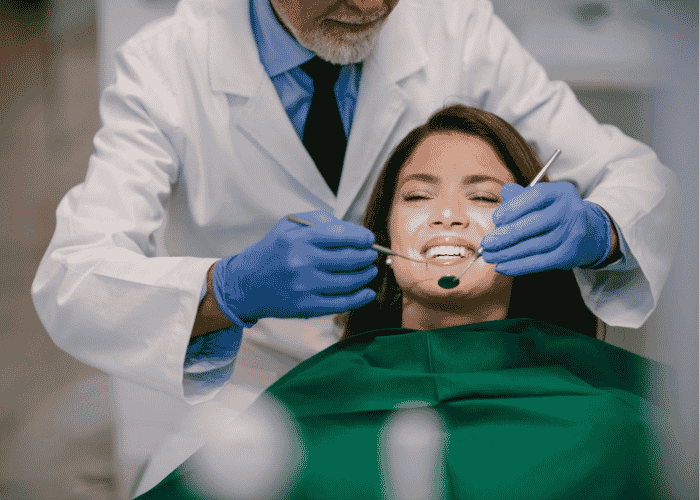
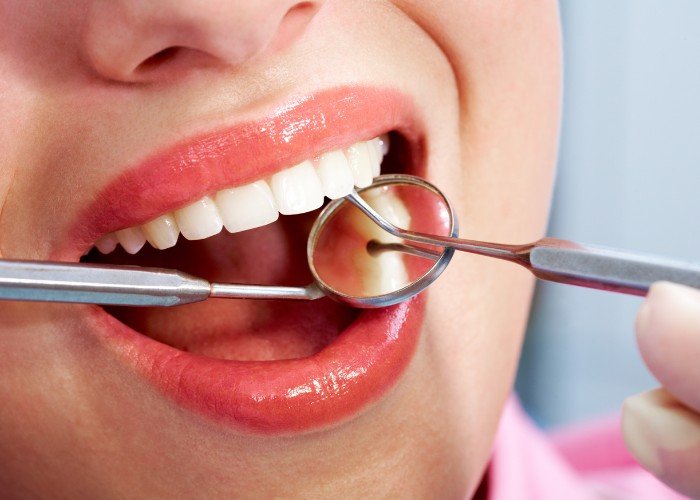
As part of your regular dental examination, your dentist will use special instruments along with powerful magnification and digital X-rays to locate these problem spots while there is still time to address them without too much difficulty, expense, or invasion. In other words, early detection of decay means you will need only a minor procedure, such as a filling or a fluoride treatment, but if the decay reaches the nerves in the tooth first, a root canal or extraction will become necessary.
Reversing Gum Disease Before It Reverses Your Smile
Although cavities are concerned with the health of one’s teeth, gum (or periodontal) professional dental care involves the structure essential for keeping those teeth intact. Periodontal disease is an advancing bacterial infection caused by plaque that hardens into tartar and cannot be brushed off using ordinary toothpaste and flossing.
Gum diseases typically advance through the following stages:
Gingivitis:
This is the first stage, during which the symptoms are red, swollen, or inflamed gums that tend to bleed when brushing or flossing. Gingivitis is extremely common, and most importantly, it is totally reversible through proper professional dental cleaning and increased efforts at home.
Periodontitis:
When gingivitis goes untreated, it leads to periodontitis. At this point, bacteria move under the gum line, eating away the bones and tissue structures keeping your teeth in place. Gums start to recede, pulling away from the teeth and creating pockets where bacteria continue to multiply. Periodontitis is irreversible; it can only be controlled, and it is the most frequent cause of adult tooth loss in the world.
Routine visits ensure that a dental hygienist can scrape away any buildup of tartar, preventing further gum disease.
The Power of Professional Dental Cleanings
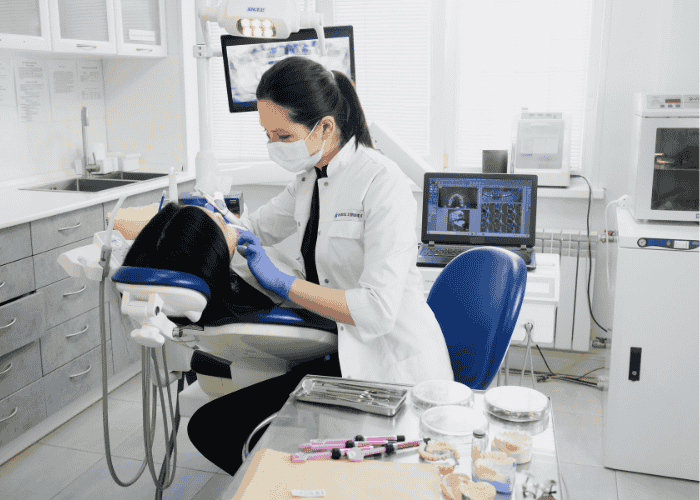
A professional teeth cleaning employs special acoustic scalers and dental tools that can scrape off your tartar without causing any damage to your enamel. In addition, dentists ensure that they polish the surfaces of your teeth using a powerful spinning brush with abrasive toothpaste. The purpose of this procedure is to remove surface stains caused by drinks like tea and coffee and to make your enamel less attractive to bacterial activity.
Life-Saving Screening: Oral Cancer Detection
One of the most crucial parts of a typical dental exam, yet often overlooked, is the cancer examination process. Oral cancer is a term used to describe cancers that affect your lips, tongue, cheeks, under-surface of your mouth, palate, and the sinuses. Cancer is an extremely fast-moving condition, but similar to other types of cancer, it is highly curable at the early stage.
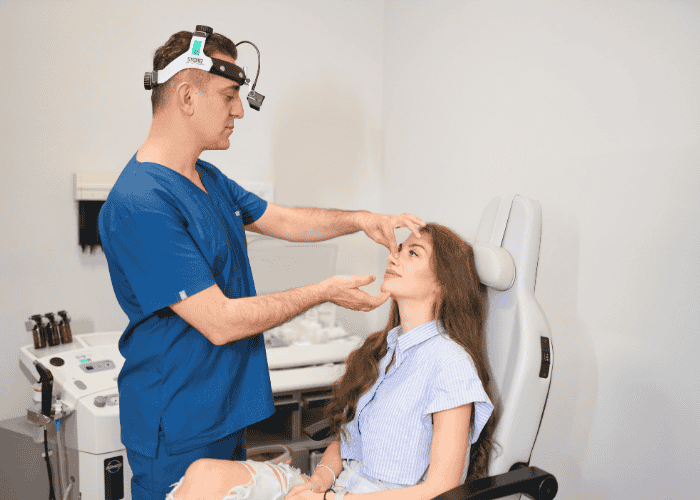
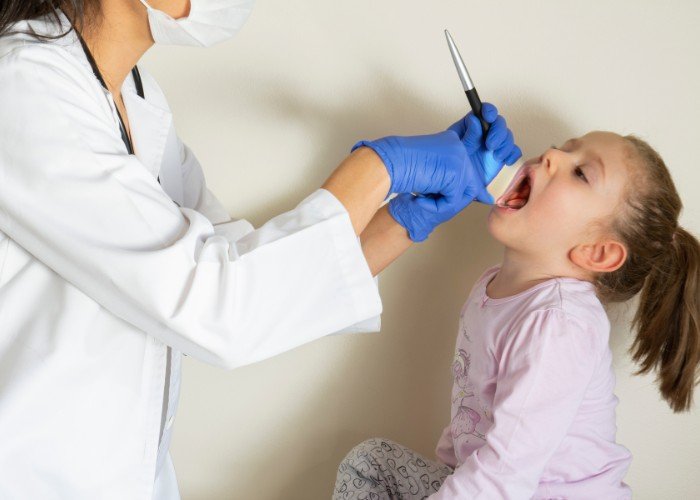
When a patient goes to the dentist for an examination, it is not simply about inspecting their teeth. Instead, the dentist will conduct an extensive inspection of the mouth area, including the throat and neck area, looking out for things which the patient may never notice, such as:
• Rusty red, white, or speckled lesions on the soft tissue.
• Painless lumps or areas of thickening and roughness.
• Unclear sores that persist for more than two weeks.
Due to the lack of symptoms in the early stages, dentists become the primary front-line responders to diagnose oral cancer, thus becoming lifesavers by doing preventative work.
Dental disorders: Mitigating the risk of other health issues by visiting dentists
As far as modern medical research shows, there is no question about the connection between systemic health and oral health. Indeed, the mouth is closely connected to your entire body because of blood circulation and the inflammatory response of the immune system. As the inflammatory process continues, bacteria have access to the bloodstream and can cause harm elsewhere.
Dental examinations are one way to reduce the dangers caused by some of these major health issues:
• Heart disorders
• Diabetes
• Lung infections
You can get an idea about your health condition by visiting a dentist. These are some of the indirect benefits of regular dentist visits.
Final thoughts
In the end, getting your teeth checked on a routine basis is an investment in the quality of your life. Not going in for your semiannual appointments can feel like a shortcut that will help you save time and money at the moment, but you can be certain that in the future, you will suffer from more painful and expensive treatments because of this. It is the root of ensuring healthy teeth and gums.
FAQs:
Q: Why are regular dental checkups important?
A: A regular dental checkup is vital for ensuring your teeth are not decaying or that you do not have other oral or dental infections.
Q: What happens during a dental checkup?
A: There are different stages of a dental checkup, like external exam, dental X-ray, dental cleaning, measuring pockets and scoring, oral cancer screening, and so on.
Q: What are the signs that I need a dental checkup?
A: The different signs that you need a dental checkup right now are-
Dental pain frequently
Sensitivity of teeth
Pain when chewing food
Bleeding from the gums
Swelling in the gums
Q: How can I maintain good oral health between dental visits?
A: Here is how you can ensure proper oral health at home-
Brushing daily 2 times, at least once before bedtime
Using a medicated mouthwash or teethwash
Reducing snack cravings
Having enough water
Q: How often should I visit the dentist?
A: There is a general rule that any adult or child should have a dental visit once each year.




























_12Jan26_122224.png "How NICUs Save Premature and Sick Babies?")