Understanding NICU: A Lifeline for Newborn Care
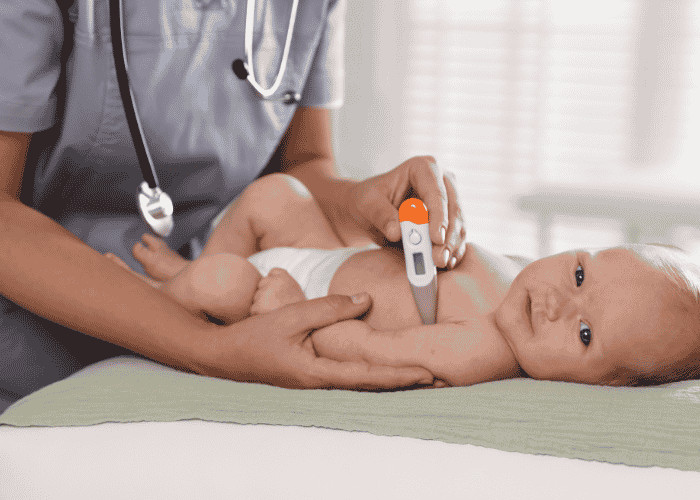
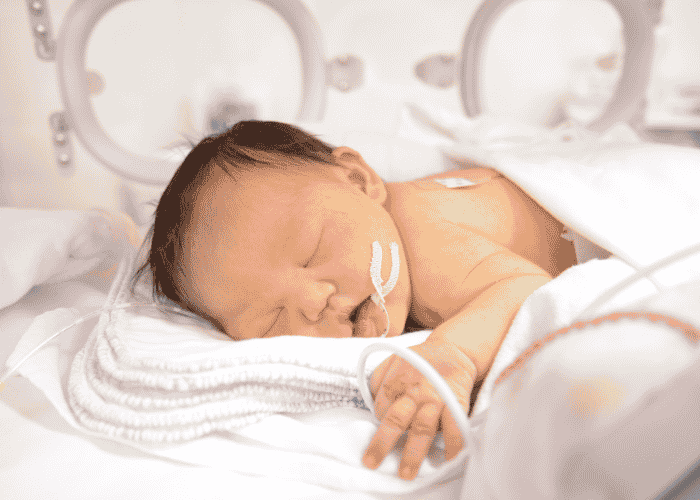
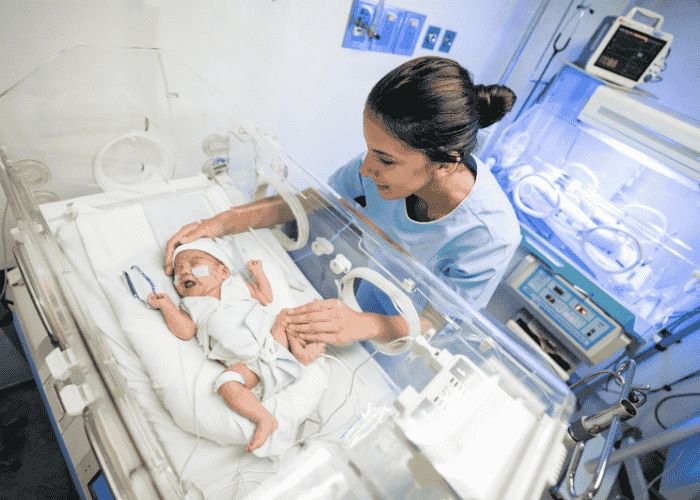
The Neonatal Intensive Care Unit is a part of a hospital that takes care of babies who are very sick or were born too early.
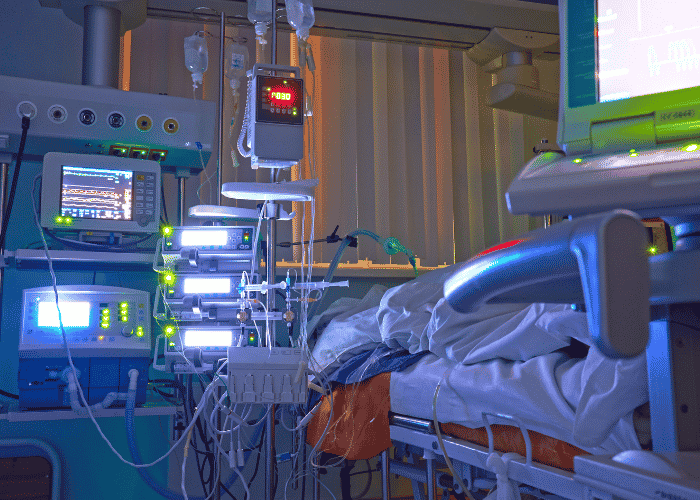
The Neonatal Intensive Care Unit can look scary with all the machines, wires and special tools. The Neonatal Intensive Care Unit helps babies who are born with some health issues or need immediate treatment.
Role of NICU for newborn care
The NICU is a place for newborns who need extra help. It is like a safety net for babies. The NICU staff do things to help these babies, like keeping their heart rate, breathing and temperature stable.
The Neonatal Intensive Care Unit helps babies organs grow and get stronger. It keeps their nervous systems safe. This unit is especially important for babies born early or those who are very sick.
Here is a breakdown of the primary roles of the doctors in giving NICU care for newborns:
1. Life-Sustaining Physiological Support
• Temperature control: Babies born early often do not have enough body fat to stay warm. The Neonatal Intensive Care Unit has beds called incubators that help keep these babies warm so they do not get cold.
• Breathing help: Some babies have lungs that are not fully grown. The Neonatal Intensive Care Unit gives these babies oxygen to breathe. They use machines, like Continuous Positive Airway Pressure or mechanical ventilation, to help the babies breathe.
• Giving nutritional support: The doctors and nurses at the Neonatal Intensive Care Unit will give a baby food if the baby is too small or too weak to eat on its own. They use tubes to feed the baby, or they give the baby food through a vein.
2. Continuous Hemodynamic Monitoring
• Signs: The baby is heart rate, and the baby is breathing rate, and the babys blood pressure, and the baby is oxygen levels are all tracked.
• Neuroprotection: Some babies who did not get oxygen when they were born might need to be wrapped in a special cooling blanket to help the baby.
This helps keep the baby is brain safe and reduces the risk of injury, which is really important for newborn intensive care treatment.
3. Infection Control and Immune Protection
Newborn babies in the NICU have weak defenses against sickness. The NICU is a protective place where immediate treatment helps gain control over these infections and provide immunity support.
• It makes sure that all the staff and people who visit follow the rules for keeping everything clean.
• It keeps the babies apart from each other so they do not catch any sicknesses from one another in the hospital.
• It gives them medicine that goes into a vein if the newborn babies seem sick.
• Newborn babies in the NICU need to be taken care of in this way because their defenses against sickness are so weak.
What type of medical equipment is used inside the NICU?
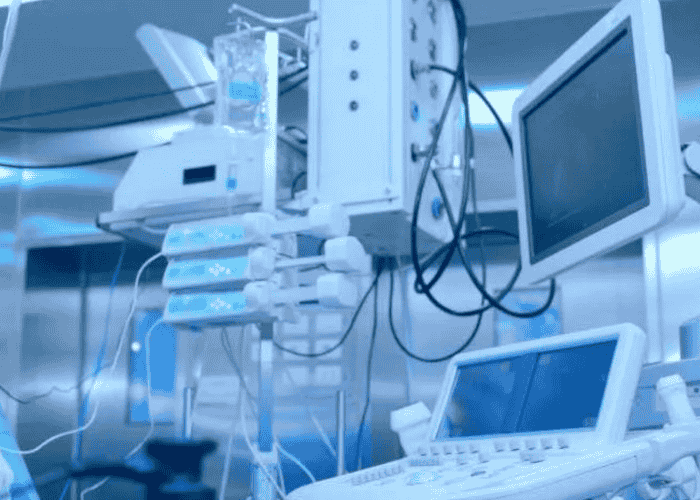
The equipment in a NICU is designed to be like a womb. It helps control the environment and keeps an eye on things. This is really important for newborns who are very fragile and cannot take care of themselves yet.
Here is a breakdown of the medical technologies you will find at a NICU bedside:
1. Environmental & Thermal Support
The doctors ensure to stabilize the body temperature of the baby using different medical devices, like-
• Incubators, also known as isolettes, are plastic boxes. They keep babies and in a humid environment. This helps protect them from germs, loud noises and cold air.
• Radiant warmers are like beds. They have heating parts above them. We use these when babies need to be handled a lot or have some procedures. This way, the care team can easily reach them. Keep them warm.
2. Respiratory & Oxygen Equipment
NICU survival and recovery for infants with respiratory issues, under developed lungs, and infections is done with the help of medical devices like-
• Ventilators are machines that help babies breathe. They do this by breathing for the baby or by assisting their breathing with a tube that goes into their mouth or nose.
• CPAP, which stands for Positive Airway Pressure, is a way to help keep the lungs inflated. It does this by delivering air into the baby is nose through prongs, and this air is pressurized to help the lungs stay open.
• Oxygen Hoods or Nasal Cannulas: These are for babies who can breathe by themselves but need oxygen than what is in the air we breathe.
3. Monitoring Systems
Staff must track vital signs 24/7 without constantly disturbing the infant.
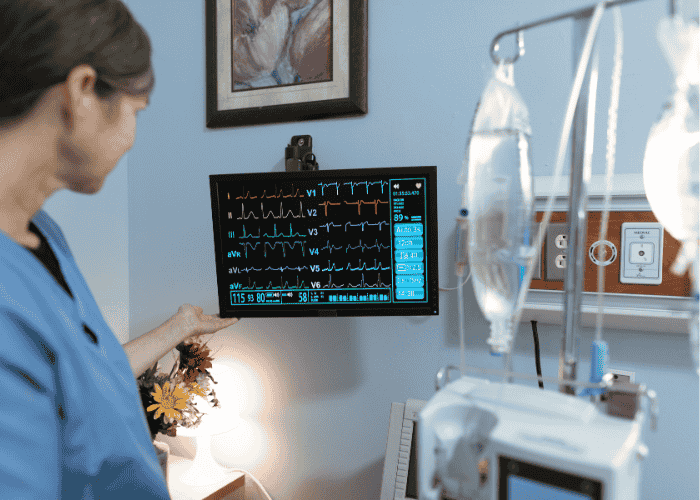
• Cardiorespiratory Monitors: The doctors put pads on the babys chest to check their heart rate and breathing. These pads help us track how fast the babys heart is beating and if they are breathing okay.
• Pulse Oximeters: Caregivers at the NICU wrap a sensor with a light around the baby is foot or hand. This sensor helps us see how much oxygen is in the baby is blood.
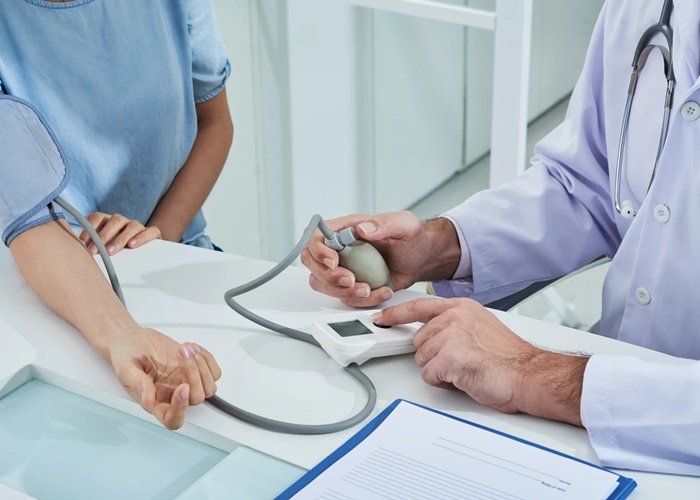
• Blood Pressure Monitors: We use a cuff on the babys arm or leg to check their blood pressure. Sometimes, if the baby is very sick, we use a tube in the umbilical cord to check their blood pressure all the time.
4. Feeding and Fluid Delivery
• Infusion Pumps are really machines. They give people the fluids and medicine they need through a tube in their vein. This happens slowly and carefully. The machine makes sure that the person gets the right amount of fluid or medicine.
• Feeding Tubes are used for babies who are very weak or were born too early. These babies have trouble eating like babies. So a tube is used that goes into their mouth or nose and then into their stomach.
When is a baby admitted to the NICU?
The most common reasons for admission include:
1. Prematurity and Low Birth Weight
Babies will need immediate medical monitoring and treatment if they are born prematurely.
• Gestational Age: Babies born early, before 32 weeks, usually need NICU care to help their lungs and brains develop.
• Low Birth Weight: Babies that weigh, than 2,500 grams or about 5.5 pounds might need to be admitted if they have trouble keeping their body temperature steady or their blood sugar levels up.
2. Respiratory Distress
Breathing issues are the leading cause of NICU stays. This can occur because:
• The lungs do not have surfactant. This is a substance that helps keep the air sacs in the lungs open. This is something that often happens in babies that are born early.
• The baby breathed in meconium during birth. When this happens, it can cause the lungs to get inflamed or blocked.
• Some babies have something called Transient Tachypnea of the Newborn. This is also known as TTN. It means that the lungs of the baby still have fluid in them after the baby is born. This extra fluid makes the baby breathe fast.
3. Medical Conditions and Infections
Some babies are born with a specific health illness which needs immediate care from neonatologists.
• Sepsis or Infection: If the baby is at risk of getting an infection like if the mother had a fever or her water broke a time before giving birth, then the baby will be kept in the hospital to get special medicine through a vein and be watched closely.
• Hypoglycemia: This is when the baby is blood sugar levels are too low all the time and do not get better after the baby eats.
• Jaundice: It is normal for babies to have a jaundice, but sometimes it can be very bad, and the baby will need special lights to help them get better and this has to be done in a hospital where doctors and nurses can take care of the baby.
What sort of doctors provide treatment to your baby inside the NICU?
Here are some of the specialists who provide care and immediate treatment to your newborn in the NICU-
1. Primary NICU Physicians
This is a doctor who takes care of babies. They are a kind of pediatrician. They have to learn for three years or more to know how to take care of premature newborns. Neonatologists are in charge of the baby is treatment plan.
2. Pediatric Specialists (Consultants)
Depending on your baby's specific needs, the neonatologist may call in specialists who focus on particular organs or systems:
Pediatric Cardiologist
Pediatric Pulmonologist
Pediatric Neurologist
Pediatric Gastroenterologist
Pediatric Nephrologist
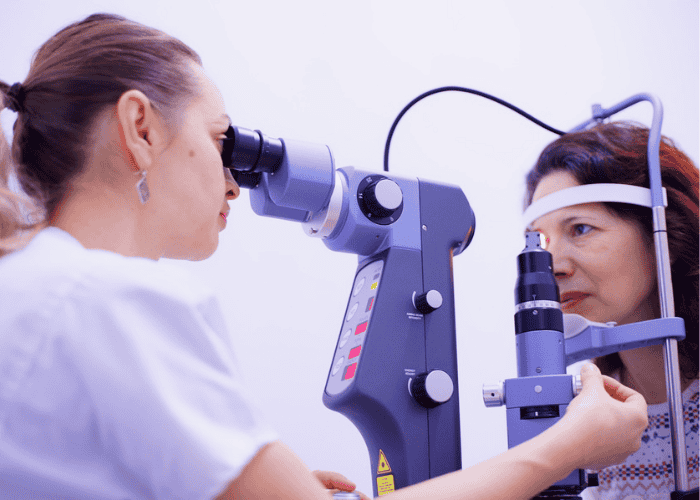
Ophthalmologist
3. Surgical Specialists
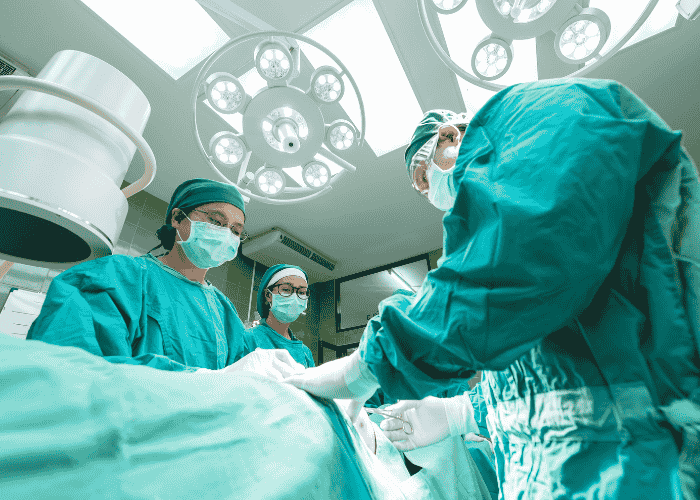
If a baby requires an operation, surgeons work closely with the medical team:
• Pediatric Surgeon: These are doctors who do surgery on babies. They fix problems in the chest, abdomen or skin of infants.
• Pediatric Neurosurgeon: This type of Pediatric Neurosurgeon does operations on the brain or spinal cord of babies. For example, they help babies with hydrocephalus, which is a condition that affects the brain of infants. Pediatric Neurosurgeons are very skilled at doing these kinds of surgeries on babies.























_12Jan26_122224.png "How NICUs Save Premature and Sick Babies?")